Theopolis Logo

Writing

Explore our collection of theological essays, biblical studies, and reflections on faith and culture.

See all
hebrew-manuscript-2
John

And the Holy of Holies Became Flesh

And the Word became flesh and tabernacled among us, and we beheld His glory...(John 1:14) Commentaries on John, discussing the Word or Logos in John 1, routinely turn to Greek philosophy and say that John is using a term and at least part of an idea familiar in the ancient…

by James B. JordanMarch 8, 2016

img_4660-2
Contentment

Defining Contentment

Jeremiah Burroughs defines contentment as “that sweet, inward, quiet, gracious frame of spirit, which freely submits to and delights in God’s wise and fatherly disposal in every condition” Contentment is one Christian virtue that Americans have an incredibly hard time understanding and applying. We have such comfortable lives that we…

by Lindsey TollefsonMarch 3, 2016
img_7652-2
Course Recap

Out of Exodus

"The goal I have for myself, my family, and my church is total bible saturation. I expected the Exodus Intensive class to help me with that, but I am shocked just how much it did," said Mark Balthrop, a pastor in Oklahoma City who attended Theopolis' recent course on the…

by Brian MoatsMarch 2, 2016
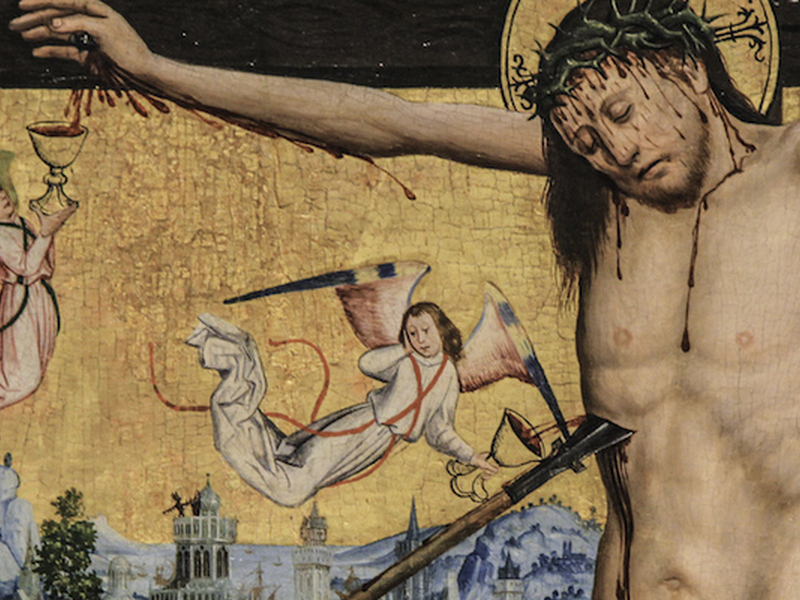
cross-2
Atonement

Gospel as Atonement Theory

In a characteristically pithy essay, Robert Jenson has decried the “two paired errors” of traditional atonement theory. On the one hand, the cross is separated “from its future, in the resurrection” and, on the other, from “its past in the canonical history of Israel.” For the apostles, crucifixion is “anything…

by Peter LeithartMarch 1, 2016
sailing-shop-storm-crop
Biblical Theology

What is Systematic Typology? - Part One

The Historical-Grammatical Nanny State Typological interpretation is either abused or frowned upon, a domain relegated to mystics and charlatans, where the angels of modern academia fear to tread. But what if the Bible itself contained safeguards against irresponsible flights of fancy? And if it did, what would they look like?…

by Mike BullFebruary 25, 2016
sparkler
Contentment

Beginning Contentment

It is harsh advice for a suffering soul to be told to be content, to be happy, to be delighting in the rough circumstances. Is Christian contentment something we should automatically have as a result of being in Christ? Is it something we do? Is it an action or is…

by Lindsey TollefsonFebruary 23, 2016

Showing page 135 of 309

See all

Showing page 32 of 43

See all

Anointed Bread

Leviticus is the oilest book of the Bible. The Hebrew shemen is used 42 times (6 x 7); the closest competitor is Numbers, with 34 uses. The uses of shemen are clustered. Leviticus 2 uses the word 9 times, all with reference to the preparation of the tribute offering (…

March 25, 2019
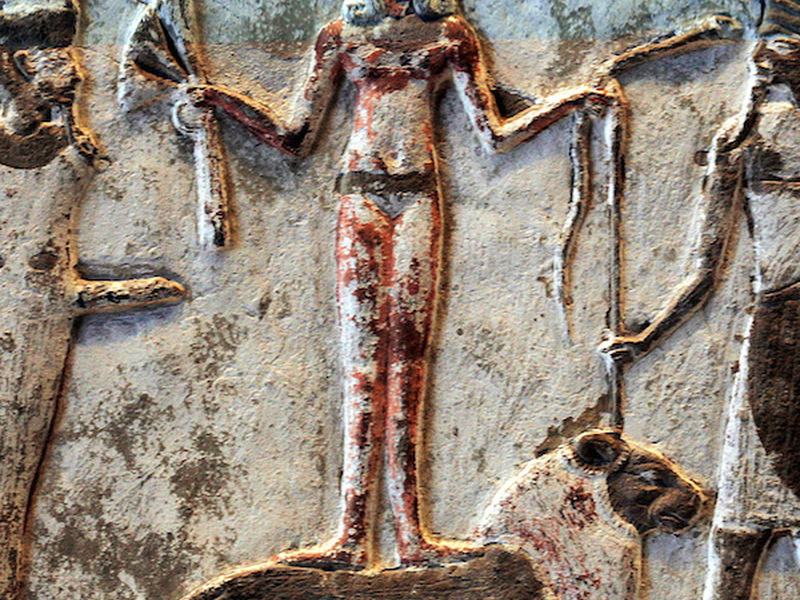
egptian-art

Broken Noses

Why do so many Egyptian statues have broken noses? Julia Wolkoff summarizes the answer of Brooklyn Museum curator Edward Bleiberg. Noses protrude, and so are more apt to be knocked off accidentally, but the pattern is too consistent to be accident. Erosion could account for some, but not all. Bleiberg…

March 20, 2019
13714bedda625c2ec1816f0890ed72f4-snow-storms-image-photography
Ecclesiology

Ecclesial Ethics

Some snippets from Philip Turner's Christian Ethics and the Church . The premise of Turner's book is well summarized by a passage he quotes from Sabina Lovibond's Ethical Formation : "The ethical, let us say, pertains to what people learn to value through immersion in a community acquainted with ideas…

March 13, 2019

Nose to Nose

Levitical offerings send a "soothing aroma" ( reyach nichoach ) to Yahweh. Israel needs to produce good smells because her sin is noxious to Yahweh. When Israel rebels, His "nose burns." By slaughtering a substitute animal and turing it to smoke, Israel soothes Yahweh's hot nose. But that can't be…

March 11, 2019
Pneumatology

Reading in the Spirit

“Spiritual reading” is usually associated with patristic, monastic, and medieval modes of reading. It's fruitful, however, to shift the focus and ask what the Spirit has to do with our reading. The Spirit is the enlivening breath of God, the water of God who makes us into a fruitful garden.…

March 6, 2019
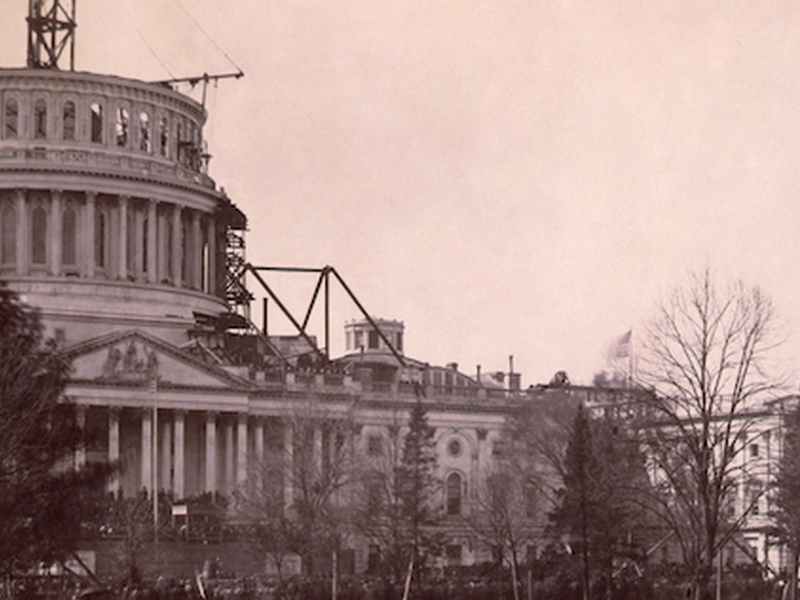
capitol-dc
Liberalism

Liberalism and Ecclesia

Liberalism is "in origin primarily a refusal of ecclesial power." So write John Milbank and Adrian Pabst ( Politics of Virtue , 31). In refusing ecclesial power, early modern political theorists renounced the arrangement of Latin Christendom. The "first polity knowing no bounds and truly based upon the rule of…

March 4, 2019

Showing page 46 of 2212

Browse by Category

In Medias Res

Your weekly digest for all things Theopolis.

Donate

Theopolis is nearly 100% donor-supported. Consider joining us on our mission.