Theopolis Logo

Writing

Explore our collection of theological essays, biblical studies, and reflections on faith and culture.

See all
e99a9541
Abortion

To Kill or Not to Kill

It seems to be old news, but I was unaware of it until recently. Australian academics argued that mothers should be allowed to terminate the life of a newborn child. [i] Why would they promote such an idea? Because before the child is born it is not always possible to…

by Ralph Allan SmithSeptember 12, 2019
pascal
Philosophy

Is the Betting Rigged in Pascal's Wager?

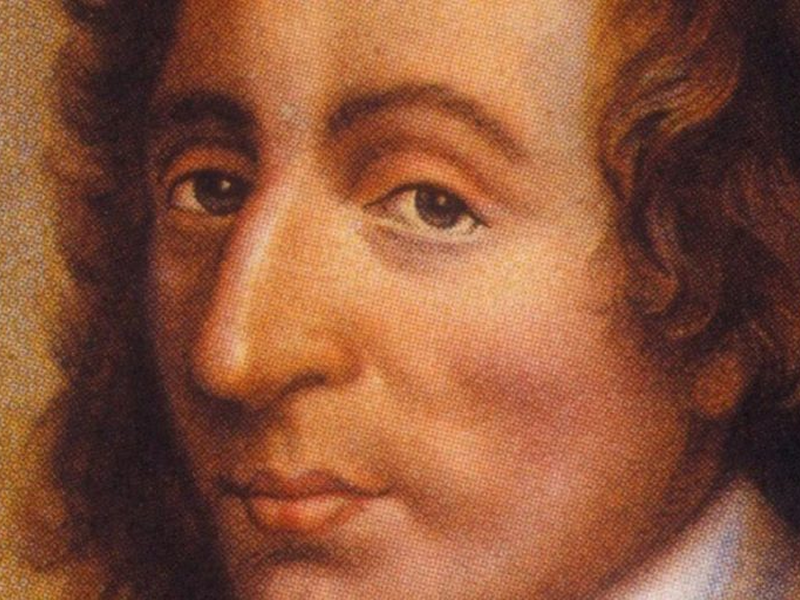
This is the second of two essays introducing Pascal’s Wager. Click HERE for Part 1. In “The Pop Star and the Mathematician” I gave an overview of the apologetic approach commonly called Pascal’s Wager. In that Wager, 17 th -century French mathematician Blaise Pascal argued that the choice between Christian…

by Alexander WhitakerSeptember 10, 2019
pascal
Philosophy

The Mathematician and the Pop Star: A Pascal's Wager Primer

This is the first of two essays aiming to introduce the reader to Pascal’s Wager. The second will address criticisms of the Wager. In the early 1990s, a perennially popular British pop star was interviewed on British television about his very public evangelical Christian faith. “What if,” the reporter asked…

by Alexander WhitakerSeptember 5, 2019
screen-shot-2019-09-03-at-7-00-44-am-2
Matthew

The Secret of the Middle of Matthew

Matthew 13 is about secrets. In this chapter, Jesus teaches eight parables and tells the disciples that they reveal the secrets of the kingdom (13:11). And much like Samson who both tells riddles and is himself a riddle that the reader must solve, so Jesus not only tells secrets but…

by John HigginsSeptember 3, 2019
david-with-goliaths-head-and-soldiers-crop
Biblical Theology

David, Goliath, and the Body of Moses, (Part 2)

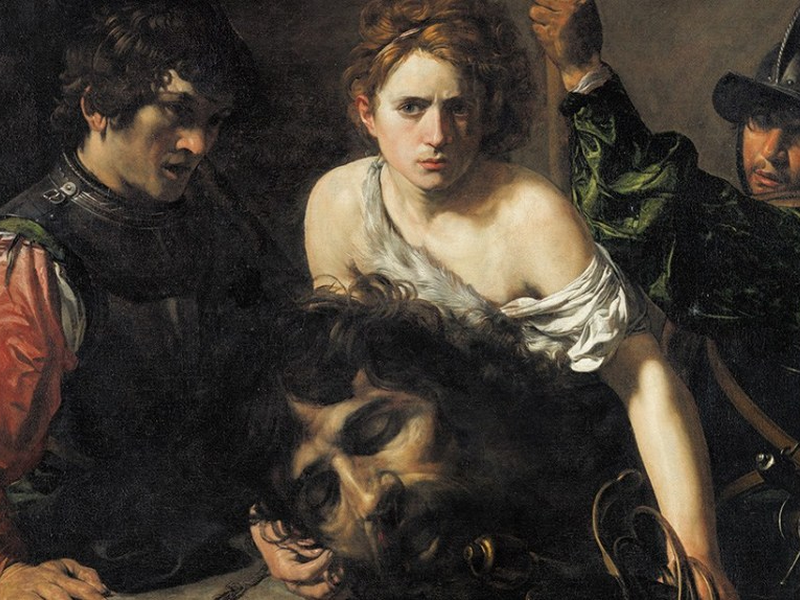
Click HERE for part One. THE TEXT AS TABERNACLE Creation – Initiation – Genesis (1 Samuel 17:1-11) The gathered armies not only remind the reader of Ebal and Gerizim, but also of the very reason that Israel was established (Creation) , set apart from the other nations by the circumcision…

by Mike BullAugust 29, 2019
job
Job

The Man in the Middle

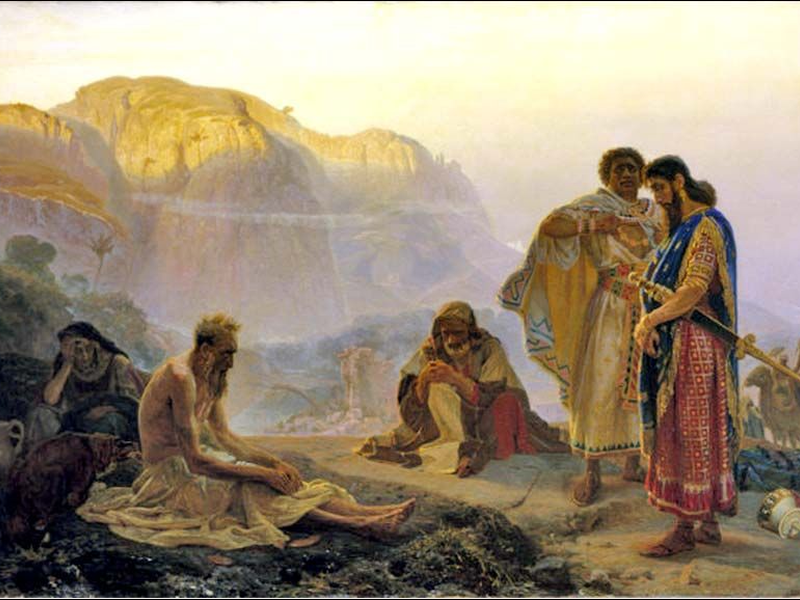
What to do with Job’s Final “Friend,” Elihu Elihu is a strange character, at least in the sense of how and where he appears in the book of Job. Why does he not appear with the other three “friends?” Does his argument differ from any of the first three who…

by Eric RobinsonAugust 27, 2019

Showing page 75 of 309

See all

Showing page 32 of 43

See all

Seal of Baptism

In an 1873 article in the Mercersburg Review, E.V. Gerhart, a professor at Mercersburg seminary, argued that nineteenth-century views of baptism had departed radically from the viewpoint of the Protestant confessions: “Claiming to be the faithful representative of Reformational ideas, the religious press of our day, generally at least, denies,…

February 28, 2014

Renewed in Baptism

E.V. Gerhart argues in his 1873 Mercersburg Review article that the Heidelberg Catechism teaches that “Baptism makes the sinner a new man.” He explains: “The word ‘renewed’ in this connection . . . is to be taken as affirming a new organic relation of the subject of Baptism with Christ,…

February 28, 2014

Historicism’s Dilemmas

At the beginning of her The Philosophical Question of Christ , Caitlin Smith Gilson sketches the multiple dilemmas of historicism. Historicism “takes the historicist out of history,” which is not only paradoxical but, on historicist terms, impossible, since outside history “there is no place to be” (xiii). How does this…

February 28, 2014

Pity the Subversive

Frank Kermode summarizes Alain Robbe-Grillet’s experimental novel, In the Labyrinth , in his The Sense of an Ending : “the soldier who is the central figure only slowly emerges (in so far as he does emerge) from other things, the objects described with equal objectivity, such as the mysterious packet…

February 27, 2014

Voluntary Impurity

In a contribution to Women and Water: Menstruation in Jewish Life and Law , Leslie Cook helpfully traces the differentiations of Leviticus back to the divisions of creation. In the creation accounts, God is differentiated from human beings and human beings from nature by “body, blood, food, time, and space”…

February 27, 2014

Bringing up the Cud

To be accounted clean, land animals have to “chew the cud.” The Hebrew for “chew” is alah , to bring up or to ascend. That’s quite literal. Animals that chew the cud swallow, and then regurgitate the food back to the mouth to chew. By the time we get to…

February 27, 2014

Showing page 671 of 2212

Browse by Category

In Medias Res

Your weekly digest for all things Theopolis.

Donate

Theopolis is nearly 100% donor-supported. Consider joining us on our mission.