Theopolis Logo

Writing

Explore our collection of theological essays, biblical studies, and reflections on faith and culture.

See all
img_5862
Culture

Birmingham Life and Culture Series

There’s something about joy that is infectious. And occasionally, we all have the opportunity to be in someone’s presence who is so happily engaged in their work, so joyous in their pursuits, that we want to learn from them. We want to know where that joy comes from and attain…

by Brian MoatsOctober 23, 2015
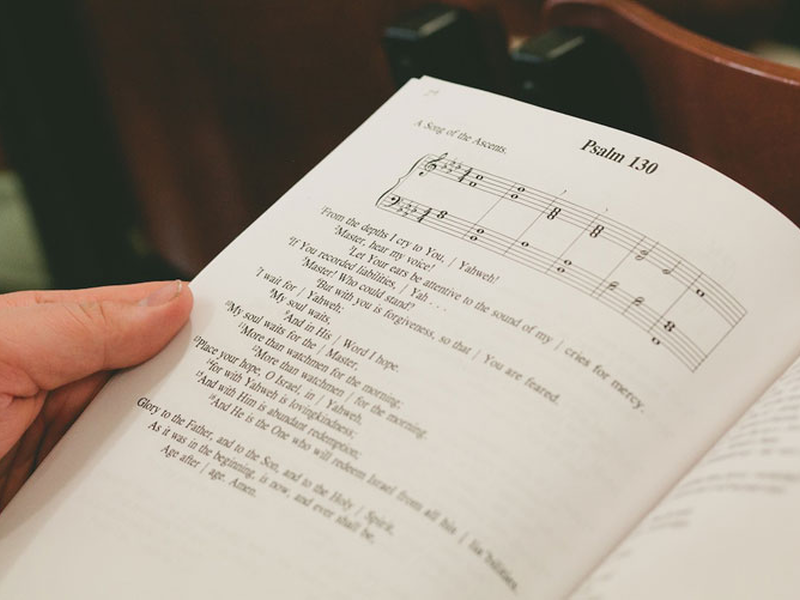
img_6077
How to Worship

How To Change the World, (Part 1)

Jesus has told us that He intends all nations to be discipled. Nations. Not just individuals. All nations as theocracies. That being the case, the Church exists for the life of the world. Being baptized is not only a matter of becoming part of a new family, it is also…

by James B. JordanOctober 22, 2015
branagh-macbeth
Literature

Adam, Saul, Macbeth

Harold Bloom’s essay on Macbeth includes the kind of penetrating insights that make Bloom the great Shakespearean scholar that he is, but it also includes his typical and intense anti-Christian bias. “If Lear was pre-Christian, then Macbeth is weirdly post-Christian. There are, as we have seen, Christian intimations that haunt…

by Ralph Allan SmithOctober 20, 2015
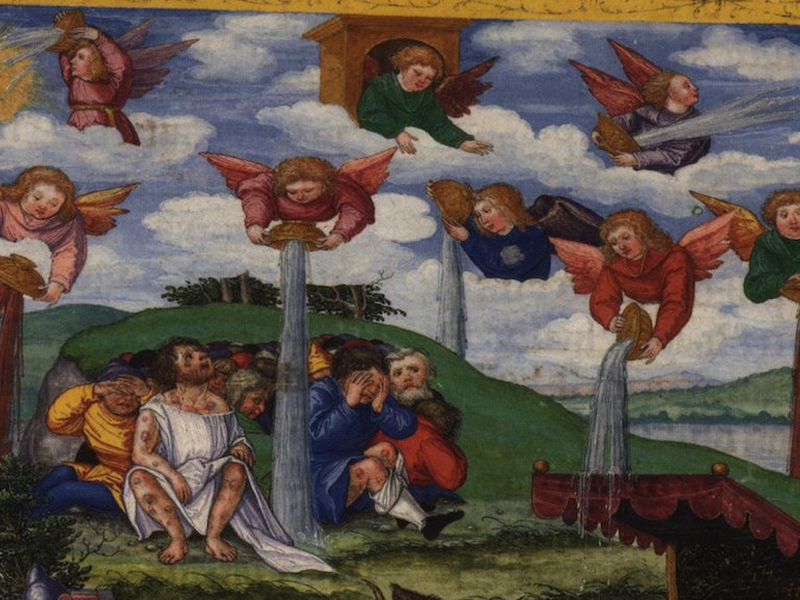
bowls
Revelation

Inverted Atonement

Revelation 16 is a day of atonement text. The tabernacle of the testimony has been opened (15:5). The angels who receive the bowls are clothed in linen (15:6), the clothing of the high priest when he goes into the sanctuary on the day of atonement (Leviticus 16:4). The temple is…

by Peter LeithartOctober 15, 2015
img_9025
Biblical Studies

Music and Hermeneutics

From time to time, when I’ve lectured on how to read the Bible, I’ve used art-music as one example thereof. When we listen to a simple folk song, we hear the same melody over and over again, but this is not how composers write "high" music. Let me amplify. A…

by James B. JordanOctober 13, 2015
schlanger_jonah_prison_090913_620px
Biblical Studies

In the Fish: The Church as Tomb

"For just as Jonah was three days and three nights in the belly of the sea-monster, so will the Son of Man be three days and three nights in the heart of the earth" (Matthew 12:40). Some reflections on Jonah’s Big Fish have led to the following essay. Let me…

by James B. JordanOctober 8, 2015

Showing page 142 of 309

See all

Showing page 32 of 43

See all

Abraham the Rock

Abraham is a rock (Isaiah 51). What does that mean? He’s a chip off the Rock of Israel, Yahweh himself. No matter how much you water them, rocks don’t grow into rock gardens, but Abraham becomes a garden because He is blessed by the Lord. Abraham the rock grows to…

March 7, 2013

Full of fury

At the end of Isaiah 51, the prophet uses the image of the cup of wrath (cf. Psalm 75; Jeremiah 25; Revelation 18). Jerusalem has drunk so much that she has been asleep; she stumbles around without anyone to help her (v. 18). No one can help because all her…

March 7, 2013

Four by Four Equals Six

Isaiah 3 promises “comfort” for barren, bereft mother Zion. Comfort isn’t just soothing pain, but a change of condition. Yahweh brings comfort because He brings justice, establishing righteousness. The comfort is spelled out in a lovely list: From her wilderness as Eden From the Arabah as the garden of God…

March 7, 2013

Hewn from the Rock

Isaiah tells the people of Judah to look to the “rock from which you were hewn, and to the cistern from which you were dug” (Isaiah 51:1). The next verse makes it clear that he is talking about Abraham and Sarah. Abraham the father is the rock; mother Sarah is…

March 7, 2013

Uti and Frui

In his recent Theology of Augustine: An Introductory Guide to His Most Important Works (6-7), Matthew Levering offers this summary of Augustine’s distinction between use and enjoyment, uti and frui : “In loving our neighbors and ourselves, we should do nothing that is not also fully and truly love of…

March 7, 2013

Shared Glory

When he turned proud and boasted in the “power and glory of my majesty” (Daniel 4:30), Nebuchadnezzar was “driven away from mankind and began eating grass like cattle” (v. 33). Boasting in glory diminished his glory. He later came to his senses, and coming to his senses meant confessing that…

March 7, 2013

Showing page 781 of 2212

Browse by Category

In Medias Res

Your weekly digest for all things Theopolis.

Donate

Theopolis is nearly 100% donor-supported. Consider joining us on our mission.