Theopolis Logo

Writing

Explore our collection of theological essays, biblical studies, and reflections on faith and culture.

See all
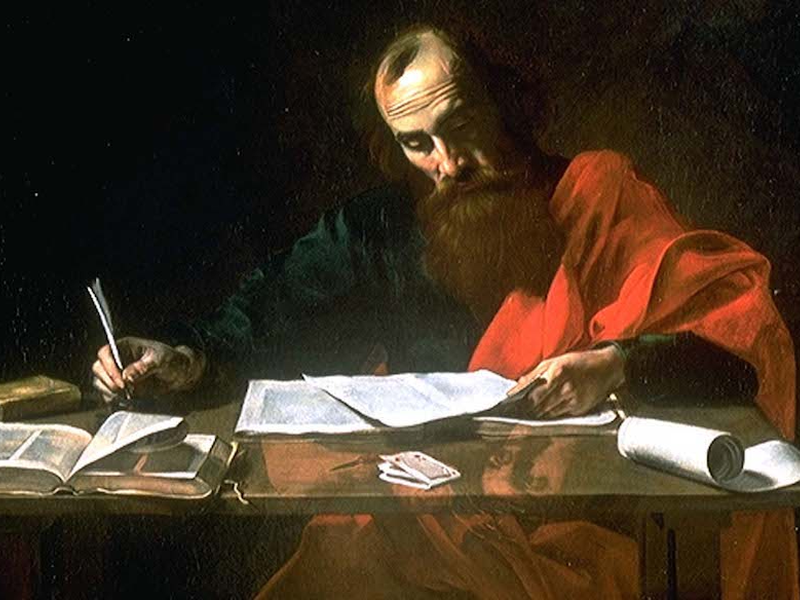
paul-2
Romans

Notes on Scary Stuff in Romans 9

What shall we say then? Is there injustice on God’s part? By no means! For he says to Moses, “I will have mercy on whom I have mercy, and I will have compassion on whom I have compassion.” So then it depends not on human will or exertion, but on…

by Mark HorneFebruary 5, 2015

lunch-counter
American Politics

Covenants of Exclusion

A hundred years ago, William Warley signed a contract to buy a house in Louisville, Kentucky from Charles Buchanan, a white man. Before closing the sale, Warley, who was black, learned that the lot was subject to a city ordinance barring blacks from occupying the premises if most of the…

by Brendan O'DonnellFebruary 3, 2015
shakespeare-2
Literature

The Bard and the Book

I concluded the first essay on this topic by saying that I would introduce three books about Shakespeare and the Bible, but I decided to introduce four instead. The three books become four are: Naseeb Shaheen, Biblical References in Shakespeare’s Plays (London: Associated University Presses, 1999) ; Hannibal Hamlin, The…

by Ralph Allan SmithJanuary 29, 2015
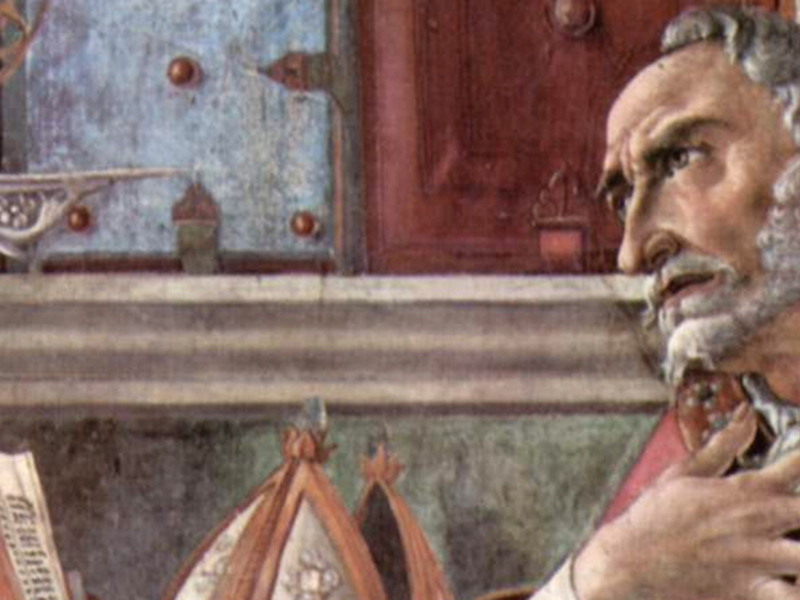
augustine-2
Augustine

Augustine on Pagan Virtue

My children attend a classical Christian school, situated in the independent “free church” evangelical tradition. Over the past few years they have been growing in their acquaintance with the world of Homer, Plato, Virgil, and Livy. They enjoy it, and I envy it. The school is a great school. My…

by Gerald HiestandJanuary 27, 2015
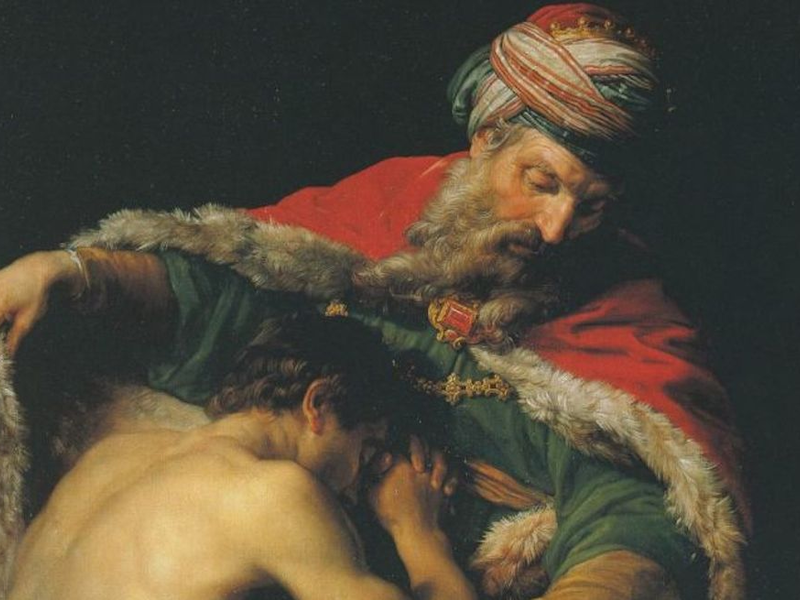
prodigal-son
Atonement

The Prodigal and the Cross

The Prodigal Son parable (Luke 15) has been a favorite of liberal theologians for a couple of centuries. It seems to be a parable designed for liberal sensibilities: An indulgent, accepting Father; forgiveness extended without a cross; a surly older brother who might represent the "conservative" face of religion who…

by Peter LeithartJanuary 22, 2015
sky-from-bridge
Ascension

Underground Man, Ascended Man

“I want now to tell you, gentlemen, whether you care to hear it or not, why I could not even become an insect. I tell you solemnly, that I have many times tried to become an insect. But I was not equal even to that. I swear, gentlemen, that to…

by Richard BledsoeJanuary 20, 2015

Showing page 161 of 309

See all

Showing page 32 of 43

See all

Creation under construction

Section 1.18 Cur Deus Homo contains a strange, very medieval digression on the question of whether the number of elect human beings is equal to, less, or greater than the number of fallen angels, and whether God created humans to make up the number of fallen angels. Through a series…

February 8, 2013

Creation’s final praise

Anselm ( Cur Deus Homo , 1.18) offers this lovely description of the consummation of all things. Creation consists on the one hand of the blessed city that is being built and brought to consummation. Physical creation is also destined to be renewed into something better ( in melius renovandam…

February 8, 2013

Aesthetic Theory of Atonement again

God’s honor cannot be diminished or increased in itself, but when human beings refuse to honor and obey Him, Anselm says ( Cur Deus Homo , 1.15), they dishonor God in relation to themselves. In so far as they are able, the disobedient disturb the “order and beauty of the…

February 8, 2013

Paul under the skin

Jacob Taubes - part historian, part philosopher, mostly stand-up comedian - gives this hilarious anecdote to illustrate how Paul conquered the European imagination ( The Political Theology of Paul (Cultural Memory in the Present) , 41): “I have a very good friend - now he’s a bishop in Stockholm, he…

February 7, 2013

Aesthetic Theory of Atonement

At the outset of Cur Deus Homo? Anselm cannot pull himself away from the beauty of the atonement. To say God humbled himself is not unsuitable ( convenire ) and makes no injury to God. It is perfectly appropriate, as evident from the symmetry of fall and redemption: Death enters…

February 7, 2013

Murderous Literalism?

For a sophisticated theologian, Conor Cunningham’s arguments ( Darwin’s Pious Idea: Why the Ultra-Darwinists and Creationists Both Get It Wrong ) against a literal interpretation of Genesis 1 are remarkably thin. He follows what he describes as a “sophisticated” patristic hermeneutics, and adds “After all, if the first two chapters…

February 7, 2013

Showing page 799 of 2212

Browse by Category

In Medias Res

Your weekly digest for all things Theopolis.

Donate

Theopolis is nearly 100% donor-supported. Consider joining us on our mission.