Theopolis Logo

Writing

Explore our collection of theological essays, biblical studies, and reflections on faith and culture.

See all
hughes-auditorium-ryan-worthen-1024x576
American Culture

The Affections of Asbury

Over the past few days, quite the event has developed at Asbury University down in Wilmore, Kentucky. University students have appeared at the Hughes Auditorium to worship and sing praises to God, which has continued for over 90 hours at the time of this writing. There is recent reporting that…

by Charles JacobiFebruary 16, 2023
screen-shot-2023-02-14-at-1-15-58-pm
Apostle Paul

Paul and Nero

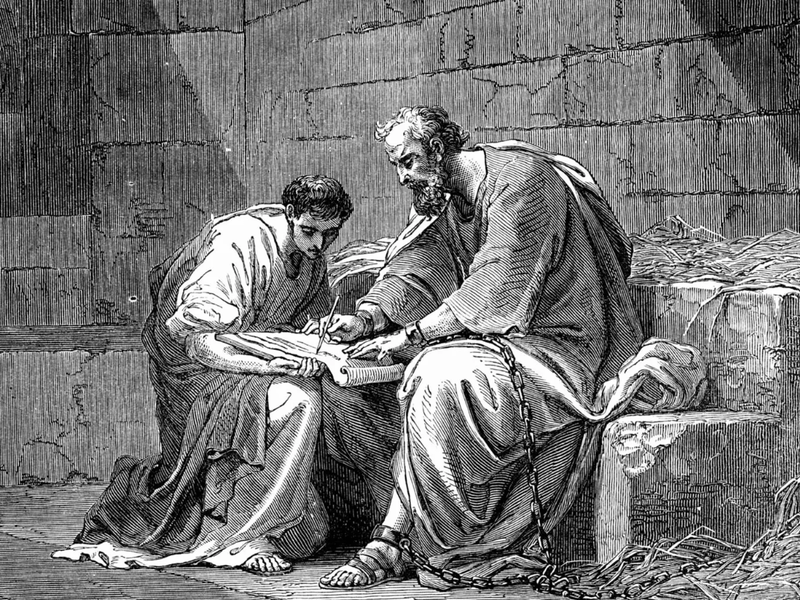
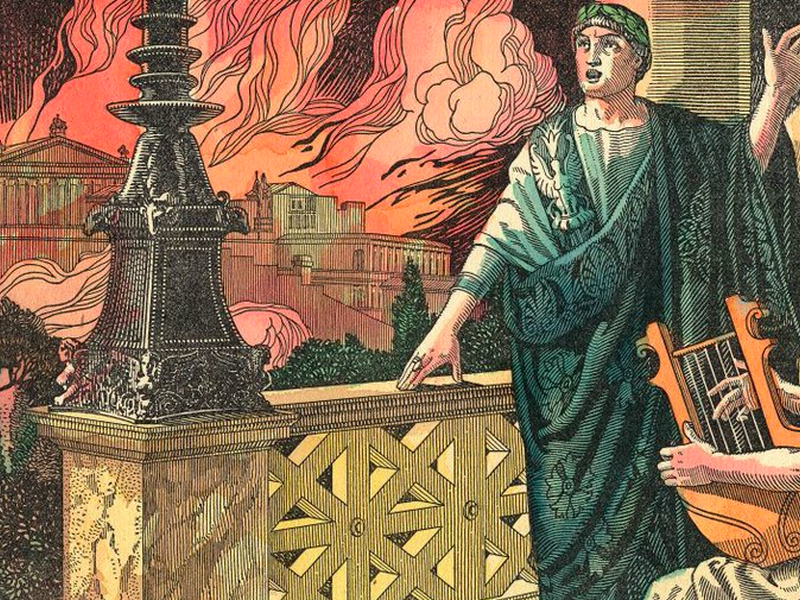
It is well-enough known that Nero was emperor from AD 54 when he was just 16 until his death as a young man of 30 in AD 68, just 14 years later. Paul ministered during most of those 14 years (we are not sure which year he died), accomplishing 3…

by Ralph Allan SmithFebruary 14, 2023
alexander-andrews-c91ls-jk7cw-unsplash
Apostle Paul

For Me to Live is Christ!

When the apostle Paul says, “For me to live is Christ!” (Philippians 1:21), we do not find it difficult to understand. Paul had been a faithful servant of Christ from the time that Christ confronted him on the road to Damascus (AD 30) and through Ananias told Paul that he…

by Ralph Allan SmithFebruary 9, 2023
vino-li-j4jjsfjkhpi-unsplash
Song of Songs

Bridal Song

I think there’s a layer to the Song of Songs which has been largely unexamined. The Song is about Christ and his church, Yahweh and Israel, the nature of the marriage covenant, and the marriage of the couple in the Song. But while the Song is “of Solomon” (or to…

by Daniel StanleyFebruary 8, 2023
screen-shot-2023-02-02-at-10-10-22-am
Biblical Studies

Paul and the Praetorian Guard

In Philippians 1:12-13, Paul informs his beloved brothers in Philippi that his Roman imprisonment — which one would naturally think hindered his ministry and the preaching of the Gospel — actually resulted in the surprising and wonderful progress of the Gospel. Of course, from our perspective 2000 years later and…

by Ralph Allan SmithFebruary 2, 2023
frank-mckenna-cseckew4tm0-unsplash
Biblical Theology

Abraham’s Seed: Heavens, Earth, and Sea Made New

In a recent post , I explored the threefold order of creation—heavens, earth, and sea—and suggested that in Genesis 1 God stamps heaven’s order, his own threefold nature, on the creation, giving earth a trinitarian shape. So what happens to the three-level architecture of creation after Genesis 1? We don’t…

by Josh JensenFebruary 1, 2023

Showing page 34 of 309

See all

Showing page 33 of 43

See all

Public and Private Piety

Thanks to Jayson Grieser for sending along notes and quotations from Ramie Targoff’s 2001 Common Prayer: The Language of Public Devotion in Early Modern England . Targoff points out that, contrary to what we might think, Protestants were more interested than Catholics in communal worship. “For sixteenth-century Catholics,” she writes,…

April 7, 2007

Calvin and allegory

Calvin is harsher on allegorical interpretation than almost anyone, yet he is all in favor of typology. David, Zedekiah, Joseph, Aaron, Samson, Joshua, Zerubbabel, Cyrus and others are types of Christ. It is no easy task to discover where he draws the line between allegory and typology, though. At times,…

April 5, 2007

Yahweh/Iehave

“Yahweh” is often thought to be a purely modern rendering of the Hebrew name, but Smalley finds a medieval glossator who writes the name as “Iahave.” She goes on: “The ‘monstrous form’ Jehoveh was already known to Christians in the late thirteenth century. Henry Crossy seems to compromise between Jehoveh…

April 5, 2007

Kids in Mother’s Milk

Aquinas rejected Augustine’s dismisal of literal interpretations of the law as “absurdities,” arguing that “the end of the ceremonial precepts was twofold, for they were ordained to divine worship, for that particular time, and to the foreshadowing of Christ.” Applying this principle, he sought for a plausible literal interpretation of…

April 5, 2007

Kids in Mother’s Milk

Aquinas rejected Augustine’s dismisal of literal interpretations of the law as “absurdities,” arguing that “the end of the ceremonial precepts was twofold, for they were ordained to divine worship, for that particular time, and to the foreshadowing of Christ.” Applying this principle, he sought for a plausible literal interpretation of…

April 5, 2007

Man of Sorrows

Following Jewish exegetes of his time, Andrew of St. Victor interpreted Isaiah 53 as a prophecy of Israel. Isaiah used the phrase “man of sorrows” to speak “of the people as though of one man.” “Bearing infirmities” refers to “the people who were to suffer in the Babylonian captivity” and…

April 5, 2007

Showing page 1696 of 2212

Browse by Category

In Medias Res

Your weekly digest for all things Theopolis.

Donate

Theopolis is nearly 100% donor-supported. Consider joining us on our mission.