Theopolis Logo

Writing

Explore our collection of theological essays, biblical studies, and reflections on faith and culture.

See all
img_4660-2
Sacramental Theology

The Gospel According to the Sacraments, (Part 1)

My first title for this series of posts was “Evangelical Sacramental Ecumenism” – not exactly a clickbait title. But those three words, evangelical, sacramental, and ecumenical, say a lot: The centrality of the gospel; a focus on baptism, bread, and wine; and the quest for visible unity among diverse churches.…

by Michael SpalioneDecember 12, 2017

e99a2313
Baptism

Baptism and Contextualization, (Part 1)

I can imagine someone reading the title of this essay and saying to himself, "I have two questions. First, what in the world is “contextualization”?" Second, even before hearing the answer to the first question, he may wonder, "what does baptism have to do with such an awkward and vague…

by Ralph Allan SmithDecember 7, 2017
sixteen-miles-out-al48tflf4e8-unsplash
Deuteronomy

Law of the Rebellious Son

Deuteronomy 21:18-21 My colleague Ralph Smith has recently written on this passage, here . I entirely agree with Ralph's thrust, which is typological, that the passage is ultimately aimed at the entire nation of Israel itself as the rebellious son. But what I am thinking is from another perspective, perhaps…

by Richard BledsoeDecember 5, 2017
e99a2313
Baptism

Like A Dove (Part 2)

In the previous article in this series, I drew attention to the threefold meaning of the Spirit of God descending as a dove on Jesus at His baptism. On a related note, I also argued that 1 Corinthians 6:9-11 and Titus 3:3-7 were parallel passages that addressed the same issues…

by Ralph Allan SmithNovember 30, 2017
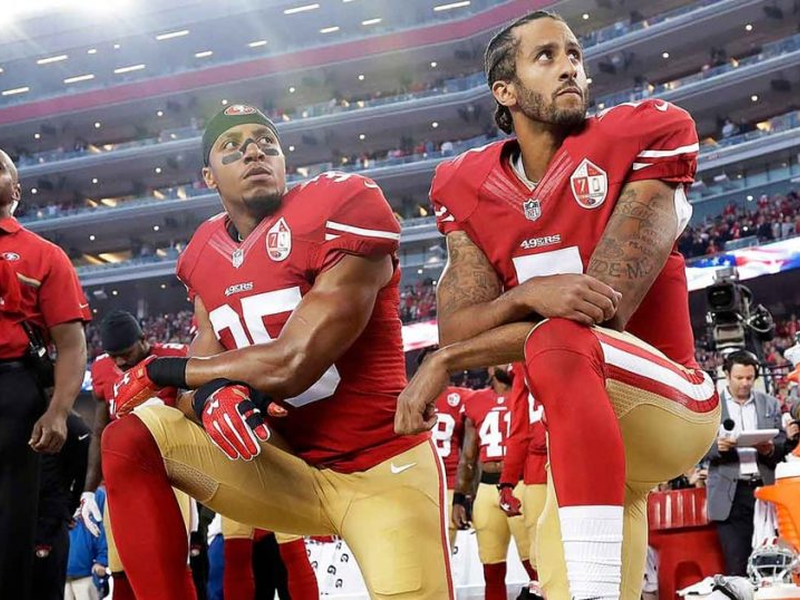
colin-1
Politics

What’s in a Flag?

The National Anthem protest is misguided. So too the conservative backlash. The Church’s response has been disappointing. I address each in turn. The greatest triumph of the American Civil Rights Movement was its seizing of the moral high ground in American politics. It did so by insisting only on those…

by A. K. ShaukuNovember 28, 2017
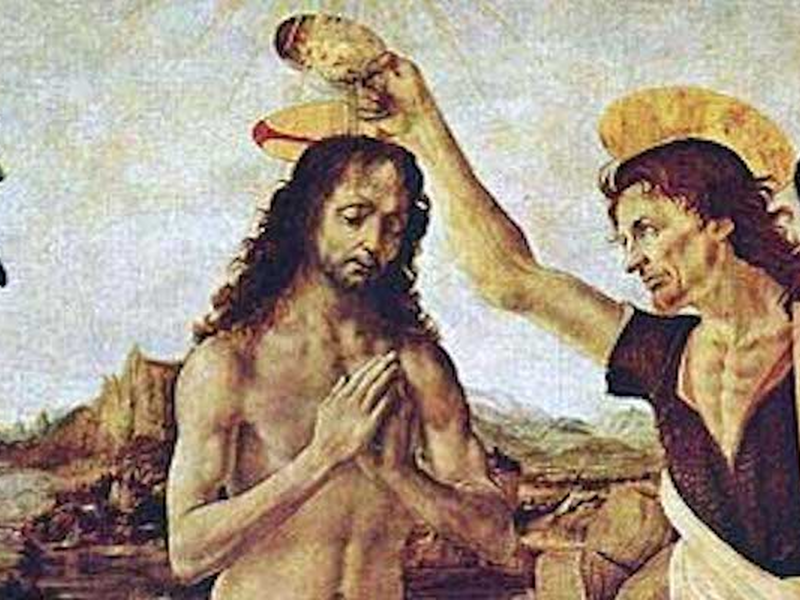
baptism-of-christ
Baptism

Like a Dove

Peter Leithart’s book, The Priesthood of the Plebs: A Theology of Baptism , argues that baptism is parallel to and the fulfillment of the old covenant rite of priestly ordination. But this is not something explicitly stated in the New Testament. Why, then, should we believe it? Leithart shows in…

by Ralph Allan SmithNovember 23, 2017

Showing page 102 of 309

See all

Showing page 33 of 43

See all

Objective/Subjective

McGrath notes that Augustine interpreted the genitive in the phrase “righteousness of God” in Rom 1 objectively, so that it was understood as the righteousness that God gives in saving sinners (in “making” them righteous). Ambrosiaster, as I pointed out in an earliet post, interpreted the genitive subjectively - the…

April 20, 2006

Old Perspective on Paul

Ambrosiaster writes, “Iustitia est Dei, quia quod promisit dedit, ideo credens hoc esse se consecutum quod promiserat Deus per prophetas suos, iustum Deum probat et testis est iustitiae eius” (PL, 17.56b). McGrath explains: “God, having promised to give salvation, subsequently gives it, and as a result is deemed to be…

April 20, 2006
History

Unfinished Reformation

Nevin wrote: “There is more a great deal in Christianity, I firmly believe, more in the idea of hte Holy Catholic Church, than has yet been attained, either in the way of knowledge or in the way of life, by the Protestant Reformation.”

April 20, 2006

Factitive Justification

There was a consensus among the theologians of Trent, McGrath argues, that justification was “factitive,” a view that excluded that “a sinner may be justified solely as a matter of reputation or imputation, while remaining a sinner in fact.” But of course that raises the question, What exactly is a…

April 20, 2006

True Lutherans

McGrath traces the odd development in Lutheran Orthodoxy of the notion that regeneration and faith precede justification in such a way that “where Luther had understood justification to concern the unbelieving sinner, orthodoxy revised this view, referring justification to the believing sinner.” This takes Lutheran Orthodoxy back in the direction…

April 20, 2006

Ontological change

McGrath notes, “While justification was universally understood to involve the regeneration of humanity, the opinion that an ontological change is thereby effected within humans is particularly associated with the period of High Scholasticism and the development of the concept of created grace. The earlier medieval theologians expressed the change effected…

April 20, 2006

Showing page 1854 of 2212

Browse by Category

In Medias Res

Your weekly digest for all things Theopolis.

Donate

Theopolis is nearly 100% donor-supported. Consider joining us on our mission.