Theopolis Logo

Writing

Explore our collection of theological essays, biblical studies, and reflections on faith and culture.

See all
screenshot-2024-06-06-at-8-49-49-am
Biblical Theology

Incarnation, Church, & the New Heart

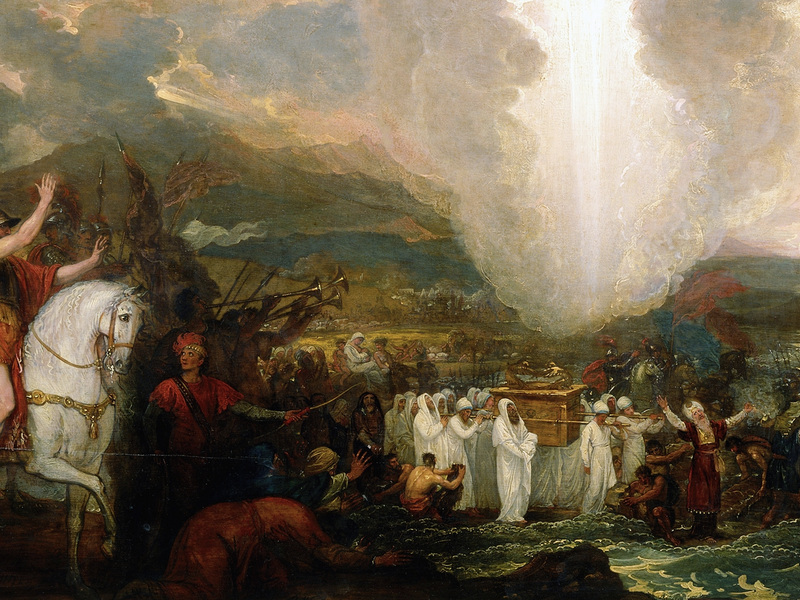
“And it shall be in those days when you are multiplied and increased in the land,” declares the Lord, “they shall say no more, ‘The Ark of the Covenant of the Lord.’ And it shall not come to mind, nor shall they remember it, nor shall they miss it, nor…

by Mark HorneJune 6, 2004
e99a4713
Grace

Grace & Justice in Unexpected Places

Elsewhere, I have argued that there is grace in the so-called covenant of works (see, e.g., my colloquium essay, “A Response to ‘The Biblical Plan of Salvation,’” in The Auburn Avenue Theology: Pros and Cons , edited by Calvin Beisner (pages 118-148). It may be equally surprising to find justice…

by Rich LuskJune 6, 2004
amjd-rdwan-erymmvvsy1y-unsplash-1
Theologia

Trust & Obey

Years ago, as a layman, I had the privilege of attending a Bible study led by a gifted teacher. His story was interesting: back when he was a student he had been severely sanctioned for affirming that one must repent in order to be saved, that one must trust Jesus…

by Mark HorneJune 5, 2004
daniel-born-yw_qx-i8ln4-unsplash
Theologia

The World is Built on Faith

Believing that God really exists Defining “faith” is sometimes made too complicated. The theologian, Louis Berkhof, for example, distinguishes “faith in general” from “faith in the religious sense and particularly saving faith.” Berkhof’s core definition of saving faith is not so bad. He says that it is “a certain conviction,…

by Mark HorneJune 5, 2004
ben-white-qdy9ahp0mto-unsplash
Apostasy

The Children of Christians Are Christians

It is generally acknowledged that when Paul wrote letters to churches, he expected his letters to be read in the worship service to the congregation. It is interesting, then, that when Paul wrote letters to a congregation he could feel free to address children and tell them to obey their…

by Mark HorneJune 5, 2004
24542-cropped-john-calvin
Ecclesiology

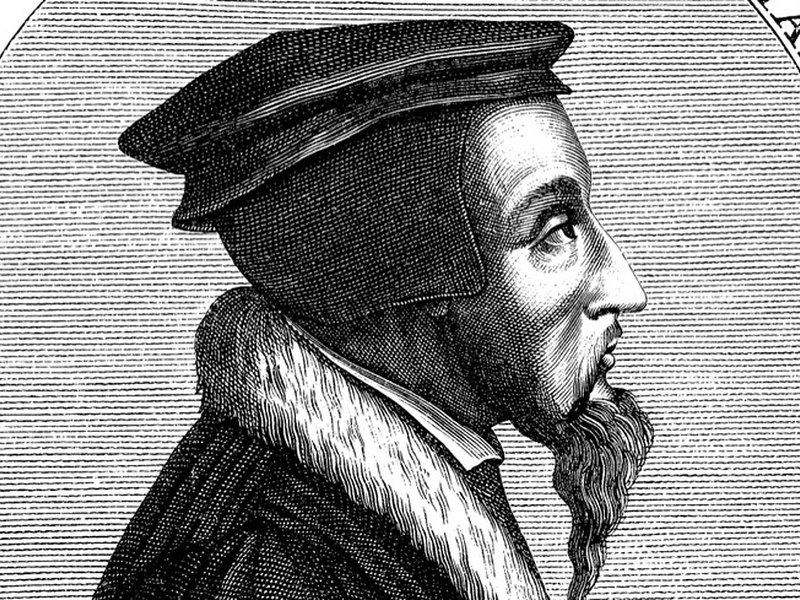
Calvin on the Pastor and Community

Book 4 of Calvin’s Institutes of the Christian Religion is a classic work of ecclesiology. This book is the longest section of the Institutes , showing Calvin’s deep interest in and love for the church. Among its many salutary features is a full scale exposition of those ecclesiastical leaders Calvin…

by Rich LuskJune 5, 2004

Showing page 224 of 309

See all

Showing page 33 of 43

See all

Law and Gospel in Public

Drawing on the work of Oliver O'Donovan, Jamie Smith offers a critique of natural law as an adequate grounding for political theology. Positively, Smith argues that “he public task of the church is not just to remind the world of what it (allegedly) already knows (by ‘natural' reason), but to…

April 2, 2015

Symbolizing Reality

At the beginning of his Silence and Praise , Ryan Hansen summarizes several of the recent approaches to understanding the cosmology of the book of Revelation. The most popular today borrows from the sociology of knowledge to suggest that John's writing creates a “symbolic universe” or “worldview” for his readers.…

April 2, 2015

Kept from Women

The emphasis on chastity, virginity, and lack of defilement from women does not have to do with misogyny or asceticism. In biblical perspective, it means that this is both a liturgical and a military assembly. When Israel arrived at Sinai, the men had to keep themselves from women so as…

April 1, 2015
Ecclesiology

Unity First?

In his Gift and the Unity of Being , Antonio Lopez claims that “Christ's kenotic gift of self restores unity with God. The redemption of the gift allows man to see that unity with God is possible and that it generates a whole that is greater than its parts. St.…

April 1, 2015

Nothing Sacred

Douglas Rushkoff's Nothing Sacred is rather all over the place (as one might say if one had a thickly superior British accent). The Judaism he favors isn't a “traditional community with concrete values and well-defined rules” (1) but one that “stresses transparency, open-ended inquiry, assimilation of the foreign, and a…

April 1, 2015

Automatic Writing

Explaining the power of liturgical habit, Paul Griffiths ( Decreation ) offers writing as an example of the self-forgetful, and world-forgetful, character of habit. It's one of the best descriptions of the experience of writing that I have come across. A few preliminaries to make sense of the analysis: Griffiths…

April 1, 2015

Showing page 445 of 2212

Browse by Category

In Medias Res

Your weekly digest for all things Theopolis.

Donate

Theopolis is nearly 100% donor-supported. Consider joining us on our mission.