Theopolis Logo

Writing

Explore our collection of theological essays, biblical studies, and reflections on faith and culture.

See all
31-03-0213
Hermeneutics

Apocalyptic Eyes

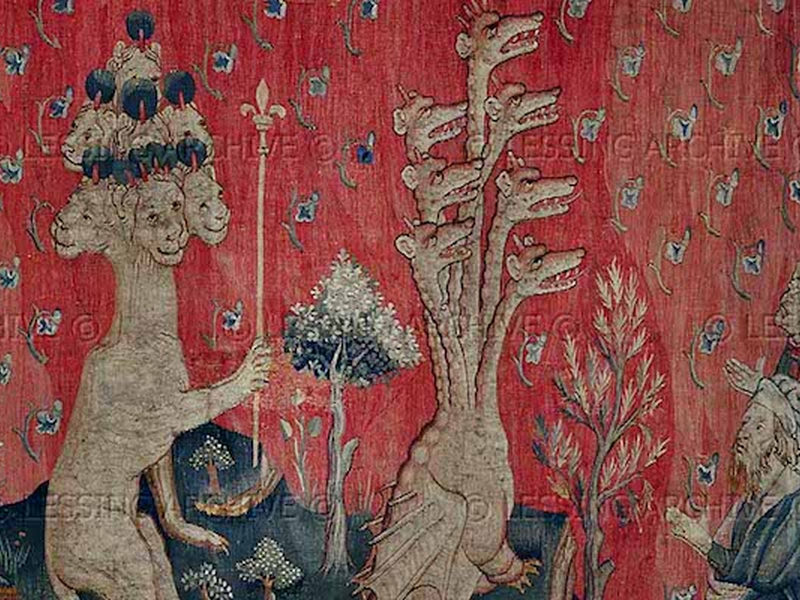
Flying scrolls. Red horses. Beasts coming out of the sea. Winged women. The list goes on. Apocalyptic literature in the Bible is like a cross between science fiction and Marvel comics. And the Bible has a fair bit of this sort of thing. Daniel sees visions in Babylon, Zechariah sees…

by Toby SumpterNovember 4, 2014

bhm-skyline-2
Theopolis News

New Name, New Look

Trinity House Institute has taken a new name, the Theopolis Institute. This striking new name expresses our unique vision and mission and captures the unified purpose behind all our specific programs and activities. We still have Bible, liturgy, and culture in our tagline. We still offer the same courses on…

by TheopolisNovember 4, 2014
istock_000012860926small
Atonement

Not Fearing the Devil

Adam Kotsko offers a socio-political variation on the Christus Victor atonement theory in his 2010 study, The Politics of Redemption: The Social Logic of Salvation . He does this by explaining "the devil" in terms of the Hegelian concept of "objective spirit," Geist . As Kotsko puts it, Geist "refers…

by Peter LeithartOctober 13, 2014
jez-timms-8muutamcwu4-unsplash
Leviticus

The Meaning of Sacrifice

Two factors keep Nahtali Meshel from discussing the meaning of sacrifice until late in his The "Grammar" of Sacrifice . The first has to do with the texts he draws from: "P says little about the meaning of its rituals" (174). The other has to do with the grammatical theory…

by Peter LeithartOctober 8, 2014
jez-timms-8muutamcwu4-unsplash
Leviticus

Praxemics

Chapter 5 of Naphtali Meshel's The "Grammar" of Sacrifice focuses on "praxemics," the physical actions of sacrificial ritual. Praxemes are constituted by six elements: an "atomact," an elementary physical act or gesture; an actor; an object that is acted up; a target for the action and often for the object…

by Peter LeithartOctober 6, 2014
markus-winkler-aid-xyrtlec-unsplash
Leviticus

Jugation and Hierarchy

Two chapters of Naphtali Meshel’s The “Grammar” of Sacrifice cover what he calls “jugation” and “hierarchies.” The first involves the addition of other materials to an animal offering. Jugates include wine, cereal, and oil that are added to the animals (zoemes) that are offered in sacrifice. Some jugates are coordinated…

by Peter LeithartOctober 1, 2014

Showing page 167 of 309

See all

Showing page 33 of 43

See all
heavenly-city

The End

The third vision of the Apocalypse takes place in the wilderness, where Jesus unveils Babylon, the harlot city that drinks the blood of the saints. This is the thing that will shortly take place: The beast that carries Babylon is going to turn on her and destroy her. This third…

January 23, 2019
thomas-aquinas
Philosophy

Philosophia Negativa

Thomas Aquinas is known for his negative theology: "We are not capable of knowing what God s, but we can know what He is not" (ST, I, 3, prologue). His negative philosophy is less well known, but Josef Pieper argues ( The Silence of Saint Thomas ) that this is…

January 21, 2019
Uncategorized

Time To Go

This is my last blog post at Patheos. In the future, I will post now and then at TheopolisInstitute.com . Look for me there.

January 15, 2019

Tamar the Righteous

Some observations about the story of Tamar and Judah, recorded in Genesis 38, inspired by a lively discussion of the narrative at the Theopolis Regional Course in Dallas last weekend. 1) The chapter has a chiastic structure: A. Judah’s family, vv 1-5: take wife and conceive; births; replacement of firstborn…

January 14, 2019
Philosophy

Theology's Handmaid, Again

Steve Duby objects to my brief set of warnings about the uses of philosophy in theology. I suppose I've said ill-considered things about philosophy or some philosopher in some of my writing. But this post was, in my judgment, generous in spirit, moderate in its claims, and modest in its…

January 11, 2019
Trinity

The Hidden One

In a chapter on "Nicene metaphysics" in The Hidden and the Manifest , David Bentley Hart explains the radical differences between the Plotinian metaphysics and the metaphysics implicit in early Trinitarianism. The article turns on the dynamics of hiddenness and manifestation. Plotinus's ultimate principle, "the One," cannot reveal itself. It…

January 9, 2019

Showing page 49 of 2212

Browse by Category

In Medias Res

Your weekly digest for all things Theopolis.

Donate

Theopolis is nearly 100% donor-supported. Consider joining us on our mission.