Theopolis Logo

Writing

Explore our collection of theological essays, biblical studies, and reflections on faith and culture.

See all
paul-2
Romans

Notes on Scary Stuff in Romans 9

What shall we say then? Is there injustice on God’s part? By no means! For he says to Moses, “I will have mercy on whom I have mercy, and I will have compassion on whom I have compassion.” So then it depends not on human will or exertion, but on…

by Mark HorneFebruary 5, 2015
lunch-counter
American Politics

Covenants of Exclusion

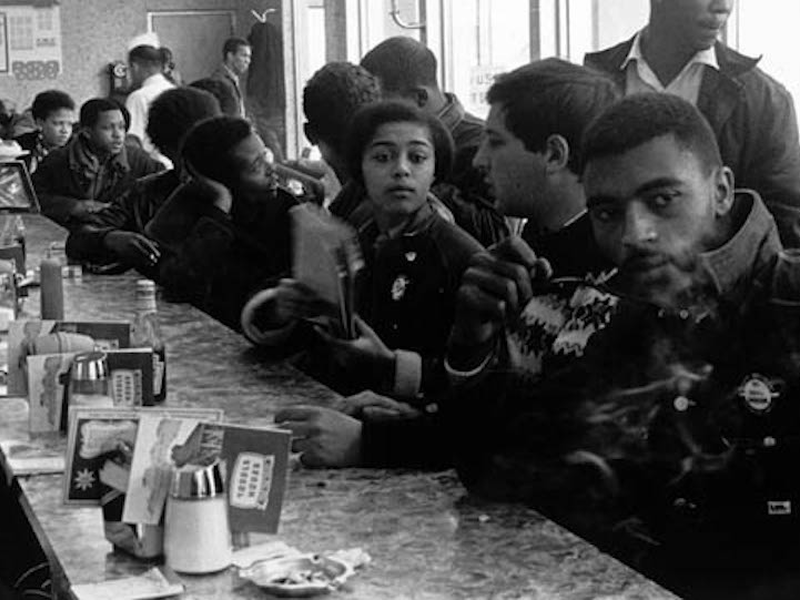
A hundred years ago, William Warley signed a contract to buy a house in Louisville, Kentucky from Charles Buchanan, a white man. Before closing the sale, Warley, who was black, learned that the lot was subject to a city ordinance barring blacks from occupying the premises if most of the…

by Brendan O'DonnellFebruary 3, 2015
shakespeare-2
Literature

The Bard and the Book

I concluded the first essay on this topic by saying that I would introduce three books about Shakespeare and the Bible, but I decided to introduce four instead. The three books become four are: Naseeb Shaheen, Biblical References in Shakespeare’s Plays (London: Associated University Presses, 1999) ; Hannibal Hamlin, The…

by Ralph Allan SmithJanuary 29, 2015
augustine-2
Augustine

Augustine on Pagan Virtue

My children attend a classical Christian school, situated in the independent “free church” evangelical tradition. Over the past few years they have been growing in their acquaintance with the world of Homer, Plato, Virgil, and Livy. They enjoy it, and I envy it. The school is a great school. My…

by Gerald HiestandJanuary 27, 2015
prodigal-son
Atonement

The Prodigal and the Cross

The Prodigal Son parable (Luke 15) has been a favorite of liberal theologians for a couple of centuries. It seems to be a parable designed for liberal sensibilities: An indulgent, accepting Father; forgiveness extended without a cross; a surly older brother who might represent the "conservative" face of religion who…

by Peter LeithartJanuary 22, 2015
sky-from-bridge
Ascension

Underground Man, Ascended Man

“I want now to tell you, gentlemen, whether you care to hear it or not, why I could not even become an insect. I tell you solemnly, that I have many times tried to become an insect. But I was not equal even to that. I swear, gentlemen, that to…

by Richard BledsoeJanuary 20, 2015

Showing page 161 of 309

See all

Showing page 33 of 43

See all

Bloody Christians

Rabbinic Judaism, Stephen Geller suggests, is the “triumph of Deuteronomy and the Word.” After the fall of the temple especially, the place of the cult was taken by prayer and the liturgy. The literary temple became far more important than any possible future building. And with the end of the…

March 7, 2014

Vocal Silence

Michel Anteby’s Manufacturing Morals is an “ethnography” of the Harvard Business School. It’s an odd book, very insight-the-HBS, but along the way he develops the intriguing notions of “vocal silence.” Routine seems to rob individuals of responsibility. But most routines, Anteby points out, require some degree of responsible judgment: “Police…

March 6, 2014

Traumatic Neighbors

In his contribution to The Neighbor , Zizek offers this typically contrarian, typically extreme, description of the impact of God’s command to love the neighbor: “What gets lost in this ‘critique of ethical violence’ is precisely the most precious and revolutionary aspect of the Jewish legacy. Let us not forget…

March 6, 2014

Rivers

Rivers have a unique place in biblical cosmology. Though watery, rivers are unlike the sea, which always threatens to overwhelm the land. Channeled, water becomes life-giving. They keep land fruitful, set boundaries between peoples or join them as liquid roads. A river is water brought into service to human needs,…

March 6, 2014

Gratitude according to Barth

Someone asked me recently if my Gratitude includes a section on Barth. It doesn’t, and I’m sure this is not the last time I will turn sheepish as I confess to a large, unconscionable gap in the book. It doesn’t make up for the oversight, but here are some summary…

March 6, 2014

Literary Facts

Stephen Geller opens an essay on blood in “P” by stating that he is treating the Pentateuch as a literary unit. What the “priestly editor” produced, he argue is not “patchwork aggregate signifying nothing” but “a work meaningful in the whole, a tapestry more than the sum of its woven…

March 6, 2014

Showing page 666 of 2212

Browse by Category

In Medias Res

Your weekly digest for all things Theopolis.

Donate

Theopolis is nearly 100% donor-supported. Consider joining us on our mission.