Theopolis Logo

Writing

Explore our collection of theological essays, biblical studies, and reflections on faith and culture.

See all
little-girl
Children

Honor God With Your Body

I am making a new rule in our house! We are actually kind of skimpy on the house rules. I try very hard to keep things simple: love God, love others, be joyful. It’s not complicated to avoid discipline here. But I have found myself repeating this new rule over…

by Lindsey TollefsonApril 9, 2015

giotto-noli-me-3
John

The Gardener and the Beloved, (Part 3)

Click HERE for Part 2 The voice of Jesus transforms and changes Mary when she hears him speak her name. This is her last “turning.” So also the woman in the Song of Songs longs to hear the voice of her beloved. Let me see your face, let me hear…

by Jeff MeyersApril 6, 2015
giotto-noli-me-2
John

The Gardener and the Beloved, (Part 2)

Click HERE for Part 1. The details of this story call the attentive reader back to the drama of Solomon’s Song of Songs. And the Song of Song’s alludes to, ties us into the story of Adam and Eve in the Garden and the promise of a coming Messiah that…

by Jeff MeyersApril 4, 2015
easter-term-2015-2
Theopolis News

Easter Term, 2015

“The course was a paradigm shift for me,” said Jonathan Sedlak, a Milwaukee electrical contractor who attended Theopolis’s course on Revelation. “I am left with a book that is far more practical than it has ever seemed before.” Jonathan Anderson of Louisville, Kentucky found the course “refreshing.” “I finished with…

by TheopolisApril 2, 2015
psalm-singing
Genesis

Worship as Response: Liturgical Logic, (Part 1)

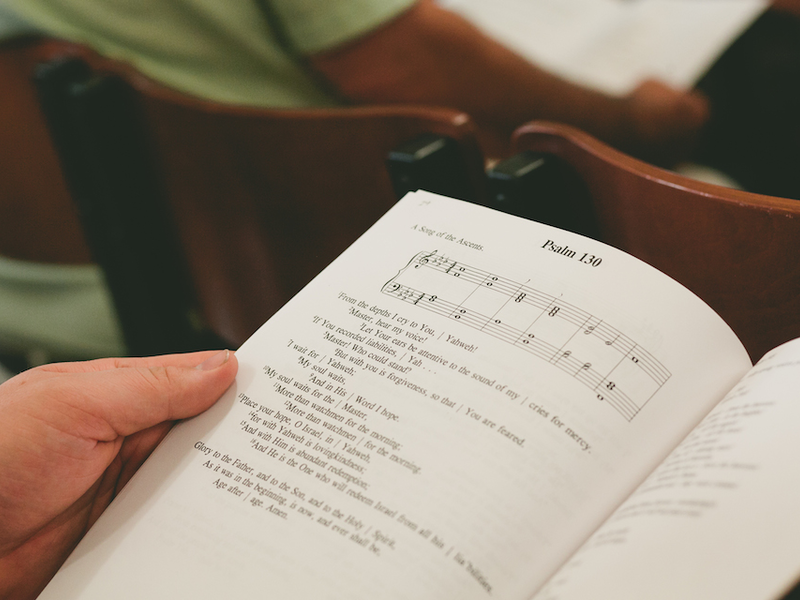
“It is only by participation in a rational, practice-based community that one becomes rational.” – Alasdair MacIntyre It may be perfectly clear to a chef why adding unsifted powdered sugar to a hot frosting is a bad idea. But for an amateur cook, this may be the kind of rule…

by Jonathan BarlowApril 2, 2015
giotto-noli-me
John

The Gardener and the Beloved, (Part 1)

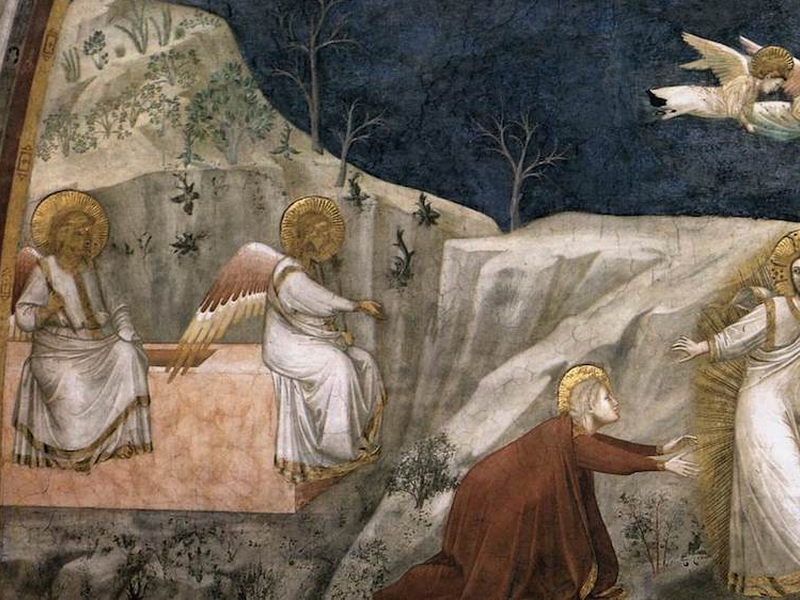
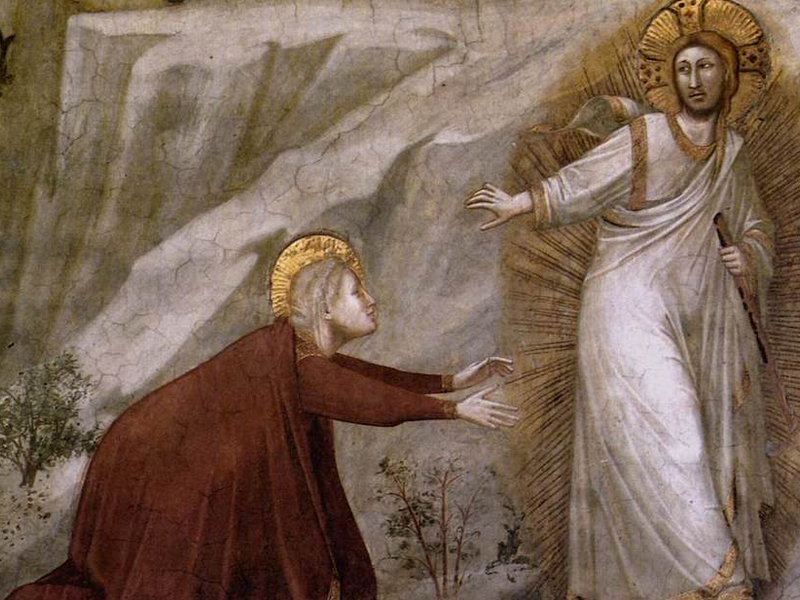
On a fresco in a chapel in Padua, Italy, there is a famous painting depicting the dramatic post-resurrection scene in John 20 with Mary and Jesus outside of the garden tomb. Giotto di Bondone painted it in the early 14th century. Jesus is striding from the tomb with a victor’s…

by Jeff MeyersApril 1, 2015

Showing page 156 of 309

See all

Showing page 33 of 43

See all
Science

Doubts about Brain Death

Gary Greenberg raises doubts about “brain death” as a definition of death. The standard was introduced largely to facilitate organ donation and transplant, and it has become a fixture of bioethics. Greenberg points out that “brain death is not quite as certain as these bioethicists might like. A doctor cant…

January 18, 2014

Cut for Kingship

What does God commit Himself to when He makes a covenant with Abraham? Genesis 17 gives a number of specifics: Abraham will be a multitude of nations, his name will become Abraham, Yahweh will be God to Abraham and to his seed and will give them the land. Twice in…

January 17, 2014

Apocalyptic in Ordinary

Everyone is talking about “apocalyptic” today. I join the chorus and reflect on CS Lewis’s The Great Divorce as an exercise in apocalyptic theology.

January 17, 2014
Philosophy

End of Dialogue

Rosenstock-Huessy points out in one of the letters collected in Judaism Despite Christianity that Kant worked out his entire philosophy in conscious dialogue with Rousseau: “While he himself wants to stand metaphysics on its head, just as Kepler and Newton stood physics, yet he compares for his part Rousseau and…

January 17, 2014

Naive Sophistication

Rosenstock ( Judaism Despite Christianity: The 1916 Wartime Correspondence Between Eugen Rosenstock-Huessy and Franz Rosenzweig , 127-8) objects to Rosenzweig’s characterization of church history as a move from the church of the spirit to the church of dogma and tradition. Rosenstock thinks the dualism nonsense: “Every Christian experiences the dogmas…

January 17, 2014

From A to B

Rosenzweig locates a fundamental similarity between Judaism and Christianity in their mutual affirmation of protology and eschatology, which give form and meaning to the “middle things” that occur between A and B - that is, the middle things of world history. Rosenstock objects that the two are not equal simply…

January 17, 2014

Showing page 705 of 2212

Browse by Category

In Medias Res

Your weekly digest for all things Theopolis.

Donate

Theopolis is nearly 100% donor-supported. Consider joining us on our mission.