Theopolis Logo

Writing

Explore our collection of theological essays, biblical studies, and reflections on faith and culture.

See all
cain-killing-abel-unknown-19th-century
Biblical Horizons

The Servant of the Ground

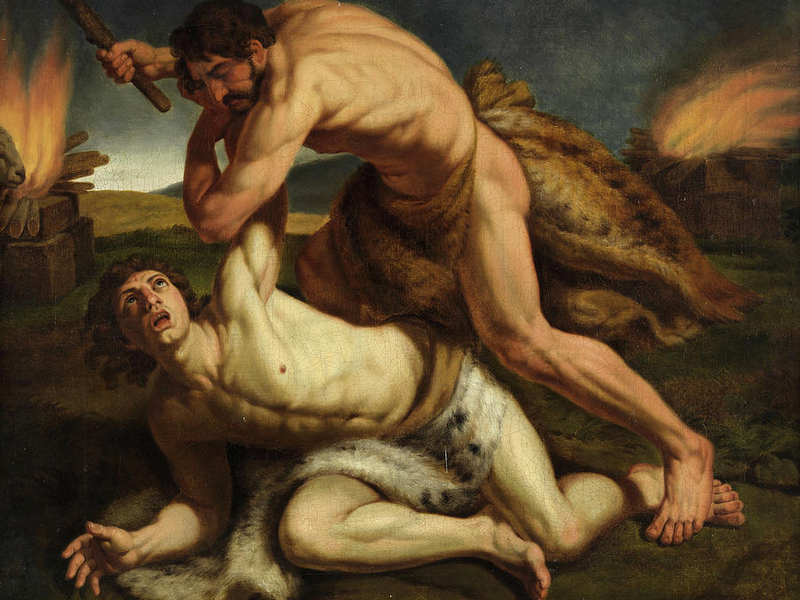
Why was Abel’s offering approved and Cain’s rejected? This question has been debated for many centuries. Some have argued that Cain’s offering was rejected because it was not a bloody offering; others that Cain’s offering was rejected because it was not from the firstfruits; others that Cain’s offering was rejected…

by Peter LeithartSeptember 19, 1990

timothy-eberly-djj49s6ud2o-unsplash
Luke

The Unjust Steward Revisited

Last year I had occasion to work through the book of Luke as I did some work for one of my editorial clients, and this year my pastor has been preaching through Luke. Thus, I have twice been reminded of the Parable of the Unjust Steward (Luke 16:1-13), a parable…

by James B. JordanSeptember 2, 1990
alfons-morales-ylswjsy7stw-unsplash-1
Biblical Chronology

The Mysterious Numbers of Edwin R. Thiele

We come now to what some have called the "Gordian Knot" of Biblical chronology: the period of the kings of Israel and Judah. We do not have a summary figure that tells exactly how long this period of time was. The book of Kings provides the years each king reigned,…

by James B. JordanSeptember 2, 1990
screen-shot-2022-02-22-at-11-59-32-am
Matthew

Additional Reflections on the Dew of Hermon

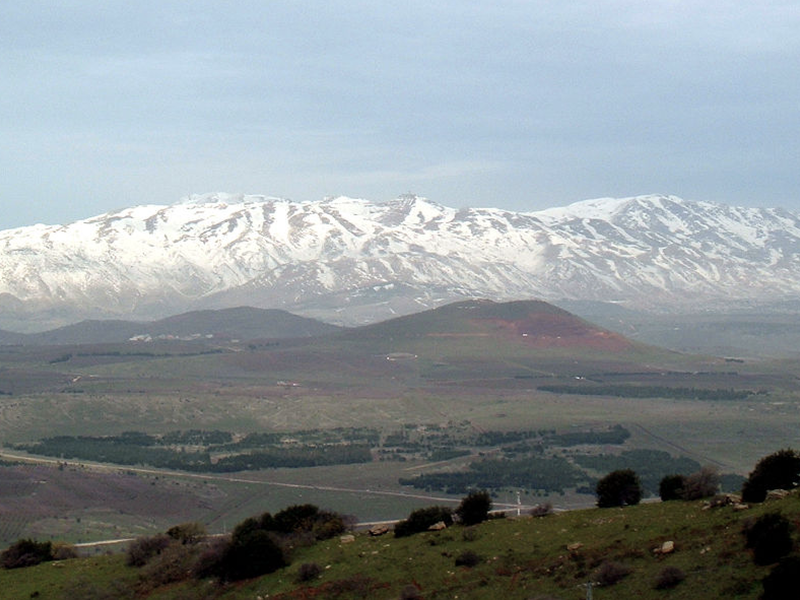
In an earlier article , while examining the biblical symbolism of dew, I noted the parallel in Psalm 133 between the dew upon Mount Hermon and the oil poured upon the head of Aaron. Both the dew of Hermon and the oil of ordination are compared to the pleasantness of…

by Peter LeithartAugust 19, 1990
screen-shot-2021-07-15-at-9-01-42-am
Biblical Horizons

Cornelius van der Waal, "The Covenantal Gospel"

The Covenantal Gospel was the last book written by the remarkable South African theologian and exegete Cornelius van der Waal. Two other works of van der Waal’s have been translated: Hal Lindsey and Biblical Prophecy , and Search the Scriptures . Because this book was written in 1979, it does…

by James B. JordanAugust 2, 1990
biljana-martinic-igj_21drt3g-unsplash
Beer

The Evangelical Cocaine Lobby

A year or so ago, my wife and I were invited to a Christian school in order to preview a film on drug abuse that was going to be shown to our children. One of the children in this film turned out, of course, to be using drugs. This child’s…

by James B. JordanAugust 2, 1990

Showing page 302 of 309

See all

Showing page 34 of 43

See all
Philosophy

Mirrors, ancient and modern

In her recent book The Mirror of the Self , Shadi Bartsch argues that ancient notions of introspection and self-examination do not employ the image of the mirror in the way we do in post-Cartesian philosophy. In the words of the TLS reviewer, for the ancients “the mirror was the…

June 27, 2007

Enjoyment in God

Wilken summarizes Augustine’s social vision of perfection this way: “This peace for which the city of God yearns is a ‘perfectly ordered and harmonious fellowship in the enjoyment of God,’ a peace of ‘enjoying one another in God.’ Notice that Augustine’s language is social, not individualistic. He does not say,…

June 26, 2007

Ecclesiology of perfection

When Plato thought about politics, he thought about an ideal city (at least in the Republic ). Not Augustine. Augustine recognized that Plato had portrayed “what kind of city ought there to be.” But Augustine was after something different. He presented an actual human society, a city of God in…

June 26, 2007
Theology

Empty minds

Aquinas wrote: “If the teacher determines the question by appeal to authorities only, the student will be convinced that the thing is so, but will have acquired no knowledge or understanding, and he will go away with an empty mind.”

June 26, 2007

Cyril and the Bible

In his wonderful book, The Spirit of Early Christian Thought , Robert Louis Wilken criticizes the Formula of Chalcedon as “formulaic and abstract,” which described Jesus as “one person,” but “seemed to divide Christ into a divine nature that, for example, healed the sick and raised the dead and a…

June 26, 2007
History

No heavenly good

Alcinous, a pagan philosopher of the second century AD claimed that God is “eternal, ineffable, self-sufficient, without need . . . and perfect in every respect.” The only way to know such a God was to ascend from earthly things to higher realities: “First one contemplates the beauty found in…

June 26, 2007

Showing page 1663 of 2212

Browse by Category

In Medias Res

Your weekly digest for all things Theopolis.

Donate

Theopolis is nearly 100% donor-supported. Consider joining us on our mission.