
Theopolis Logo

Writing

Explore our collection of theological essays, biblical studies, and reflections on faith and culture.

See all
sinitta-leunen-dvibhmzsy8e-unsplash
Epistemology

A Cheer for the Mystics

Mystical theologians are often unguarded, extreme, un-nuanced, pressing to the edges of heresy, sometimes beyond. Still, the mystics are worthy of study. Why? Many reasons. Unlike some late medieval and post-Reformation dogmaticians, mystical theologians are often instinctively and richly Trinitarian. Historical-critical approaches to Scripture left mystical theologians virtually untouched; mystics…

by Peter LeithartSeptember 2, 2013
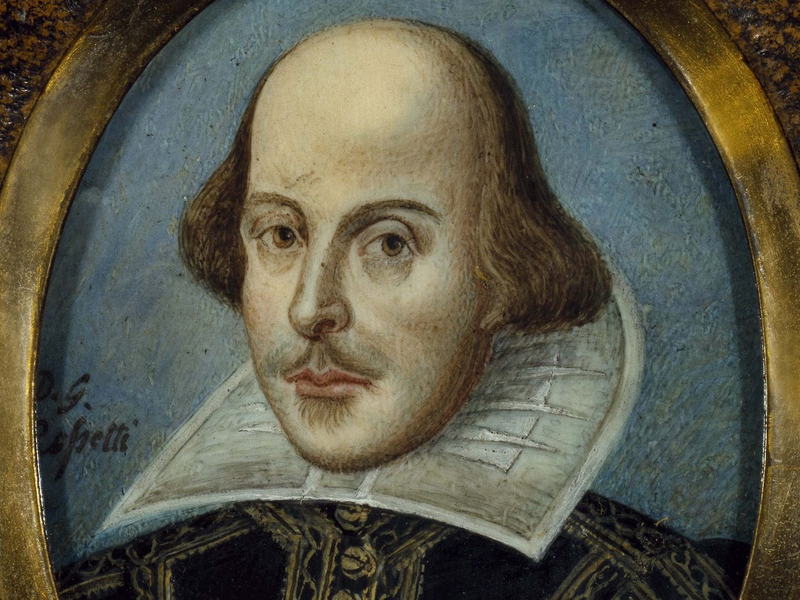
portrait-of-william-shakespeare-1564-1616-ca-1865
Literature

Shadow and Substance in Shakespeare's Venice

Portia of Belmont is a “lady richly left,” as Bassanio says of her in the first Act of The Merchant of Venice . Plus, she’s beautiful and wise. Suitors clamber to Belmont in hope. Her father knew it would be so, and in his will set up a fairy-tale test…

by Peter LeithartAugust 28, 2013
carlo-alberto-burato-smdx3gleu_m-unsplash
Liturgy

Liturgy Traps

[fve]http://vimeo.com/72195198[/fve]

by James B. JordanAugust 26, 2013
screen-shot-2022-05-12-at-12-07-23-pm
Deuteronomy

Victory Food

In the nature of the case, “the” Christian meditation on Deuteronomy 14:1-21 cannot be written. Meditation offers too many possibilities, opens too many doors. There is not one and only one correct set of associations for a Christian to consider when thinking of Deuteronomy 14:1-21. We could, for example, consider…

by Ralph Allan SmithAugust 21, 2013
aaron-burden-1ebsmyrau-s-unsplash
Romans

David's Sin and Israel's Salvation, Part I

Having retold the story of the cumulative sin of Israel leading to the great atonement on the cross, Paul then reemphasizes that, just as both Jew and Gentiles were locked into sin and judgment, now they are both justified by faith: Then what becomes of our boasting? It is excluded.…

by Mark HorneAugust 20, 2013
ben-white-w8qqn1pmqh0-unsplash
Deuteronomy

You are what you eat

Deuteronomy 14 is full of allusions to events of Israel’s history and other portions of Scripture. What would an Israelite learn by mediation on these allusions? The answer, I believe, is at least fourfold. Faith, Worship, War For the ancient Israelite first hearing Moses’ sermon, or perhaps hearing it read…

by Ralph Allan SmithAugust 15, 2013

Showing page 189 of 309

See all

Showing page 34 of 43

See all
Biblical Studies

Incarnational revelation

Westminster OT professor Pete Enns has been a friend since he taught me German at seminary nearly twenty years ago, and as editor of the Westminster Journal he regularly published my work. I have raised questions to him in private in the past, and we have had our friendly disagreements.…

November 17, 2006

Cleanse, consecrate, atone

Jay Sklar of Covenant Seminary carefully examined the uses of various terms for cleansing, consecrating, and atonement, particularly aiming to distinguish “atone” (Heb kpr) from the others. He took aim particularly at Milgrom’s claim that kipper “means purge and nothing else,” and is synonymous with other terms for purging. Against…

November 17, 2006

Eternity in the heart

Brian Gault gave a carefully-argued paper on the meaning of “ha-olam” in Ecclesiastes 3:11 - normally translated as “eternity.” Gault ran through a number of possible interpretations of the verse, finally suggesting a repointing leads to a translation as “darkness” or “ignorance.” The point is that God makes the world…

November 17, 2006

Vestigia trinitatis

Keith Johnson gave a solid exposition of Augustine’s views on the vestigia trinitatis in an ETS session this morning. He argued that Augustine is not using the vestigia to prove the Trinity or as a “second root” (Barth) in addition to the economic revelation of the Trinity. In fact, Augustine…

November 16, 2006
Politics

True Toleration

J. Budziszewski gave a sharply argued and spryly humorous deconstruction of liberalism’s neutralist view of tolerance, arguing that liberal states are confessional states that pretend not to be and that liberalism leads to a disguised dictatorship (a plenary ETS session). He suggested that a confessional state that follows what he…

November 16, 2006
History

Purity

No doubt it goes without saying after the previous few posts, but Latour’s anthropological assessment of modernity provides a lot of ammo for a study of modernity that would treat it as the creation of a purity culture, as dirt-avoidance.

November 15, 2006

Showing page 1762 of 2212

Browse by Category

In Medias Res

Your weekly digest for all things Theopolis.

Donate

Theopolis is nearly 100% donor-supported. Consider joining us on our mission.