Theopolis Logo

Writing

Explore our collection of theological essays, biblical studies, and reflections on faith and culture.

See all
e99a9334
Advent

Stretching Christmas

For many people Christmas comes on December 25 and is over December 26. The tree is taken down along with the lights and the other decorations, and everyone begins setting the house in order for the new year. No more Christmas hymns. No more celebrations (well, until New Year’s Eve).…

by Steve WilkinsDecember 24, 2016
ascension
Advent

Ascension and Incarnation

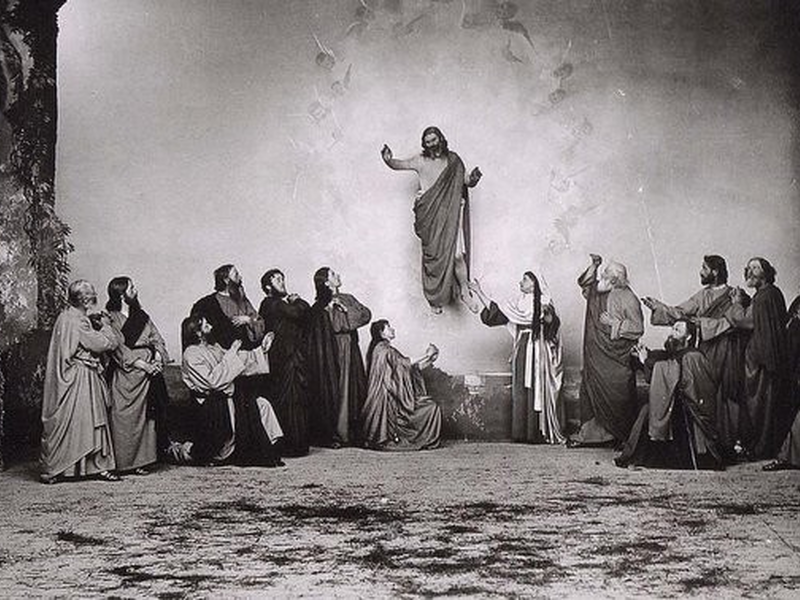
The Ascension and the Incarnation should not be disconnected in our Christmas thinking or celebrations. As N.T. Wright notes, the ascension is "a central and vital feature without which all sorts of other things start to go demonstrably wrong. . . . where the ascension has been ignored or misunderstood,…

by Roy AtwoodDecember 23, 2016
nativity-rembrandt
Advent

Christmas Light

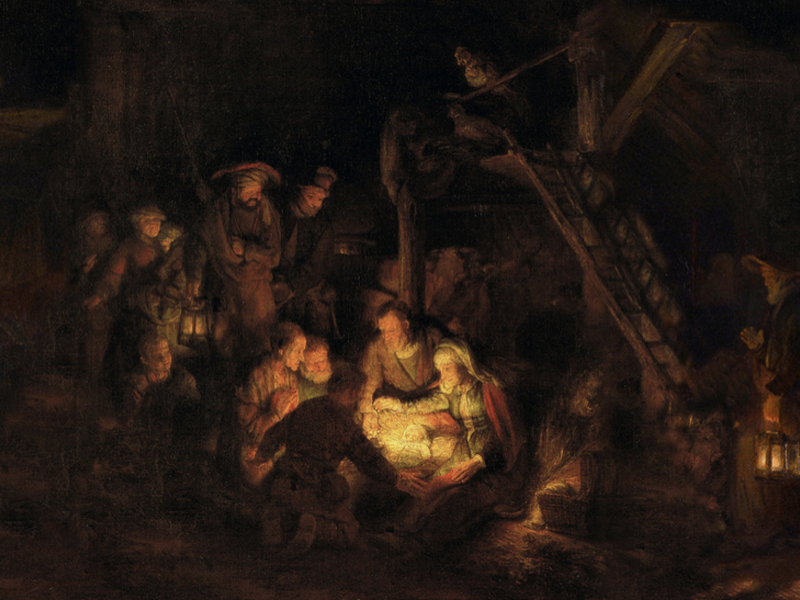
“In the Word was life, and the life was the light of men. And the light shines in the darkness.” Thus John describes the incarnation of the Son. He comes as the living and life-giving light of the world. That’s good news. In the beginning, God spoke and light shone…

by Peter LeithartDecember 23, 2016
nativity-chagall
Advent

The Spirit of Christmas

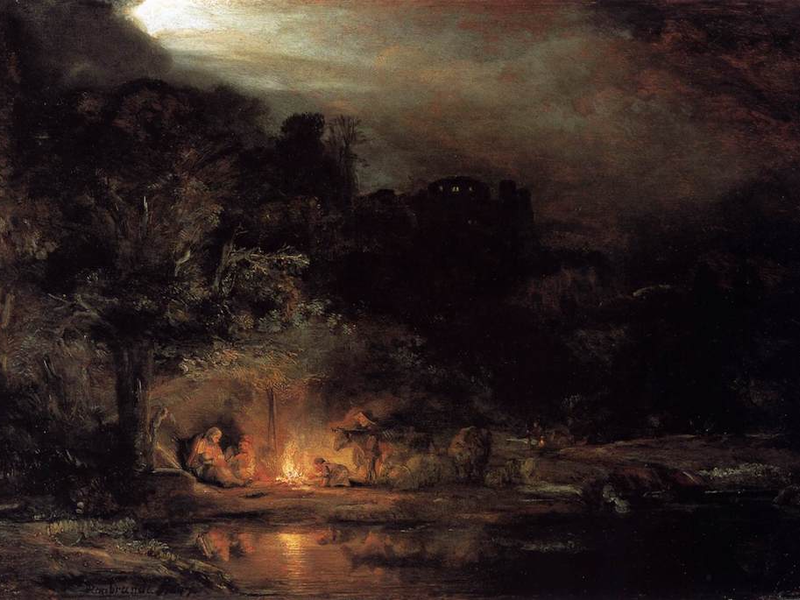
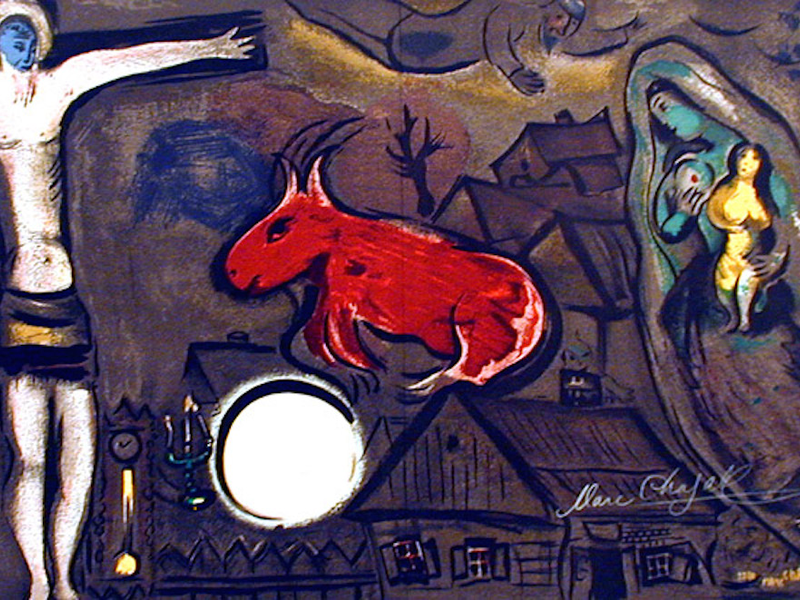
Christmas is all about Jesus. The angels announce Jesus’ birth, shepherds and wise men come to see Jesus, Herod wants to kill Jesus. We occasionally think of the Father who sent the Son, but we keep returning to the Son made flesh in Bethlehem’s manger. Meanwhile, as always, the Spirit…

by Peter LeithartDecember 22, 2016
nativity
Advent

The Humility of God

Christmas is about many things, but one of the chief things revealed in the gospel of Christmas is the humility of God. We don't often think of humility as an attribute of God. If God is glorious and exalted, we think, He must be haughty and proud and self-centered. We…

by Peter LeithartDecember 21, 2016
screenshot-2025-12-15-at-8-35-45-am
Advent

Advent of Unity

John famously begins his Gospel with a piece of theology: “In the beginning was the Word, and the Word was with God, and the Word was God.” Matthew starts with a genealogy. John celebrates Advent with a hymn, Matthew with a list. For John, Jesus is the Word of creation…

by Peter LeithartDecember 20, 2016

Showing page 120 of 309

See all

Showing page 34 of 43

See all

Darkness in 1 John

John uses the word “darkness” seven times in his first epistle. Assuming that he uses the imagery in the same way he does in the gospel, I surmise that the light/dark language of 1 John is about the conflicts of Judaism/Judaizers and the church. The first use (1:5) is a…

September 11, 2006

Darkness in John

John’s use of “dark” and “darkness” is often taken as a symbol of evil, dualistically related to the good that is symbolized by “light.” While his usage does sometimes stretch to this, the fundamental dualism is not moral but temporal. Dark is the period of day before dawn; light is…

September 11, 2006

Sermon outline

INTRODUCTION The main conflict of the early church was not with Greek philosophy or Roman power, but with those Jews who refused to acknowledge Jesus as Messiah and the Judaizers within the church who wanted to bring Gentiles under the Law. John’s first letter, like most books in the NT,…

September 11, 2006
Philosophy

Continental Philosophy

In his Oxford “very short introduction” to Continental philosophy, Simon Critchley suggests that Continental philosophy is “a professional self-description” and a “cultural feature.” The former is “a necessary - but perhaps transitory - evil of the professionalization of the disciple.” The latter is not so much a geographic conflict as…

September 11, 2006

Eucharistic meditation

1 Corinthians 11:29-30: He who eats and drinks, eats and drinks judgment to himself, if he does not judge the body rightly. For this reason many among you are weak and sick, and a number sleep. It would be nice if the enemies of God were all outside the church,…

September 10, 2006

Exhortation

What is the message of the imprecatory Psalms? That Christians have an excuse to be mean-spirited, vicious, and vengeful? That Christians should distribute curses and blessings in equal measure? That Christians get to be macho and talk tough? No. The main message of the imprecatory Psalms is the message of…

September 10, 2006

Showing page 1796 of 2212

Browse by Category

In Medias Res

Your weekly digest for all things Theopolis.

Donate

Theopolis is nearly 100% donor-supported. Consider joining us on our mission.