Theopolis Logo

Writing

Explore our collection of theological essays, biblical studies, and reflections on faith and culture.

See all
31-03-0213
Hermeneutics

Apocalyptic Eyes

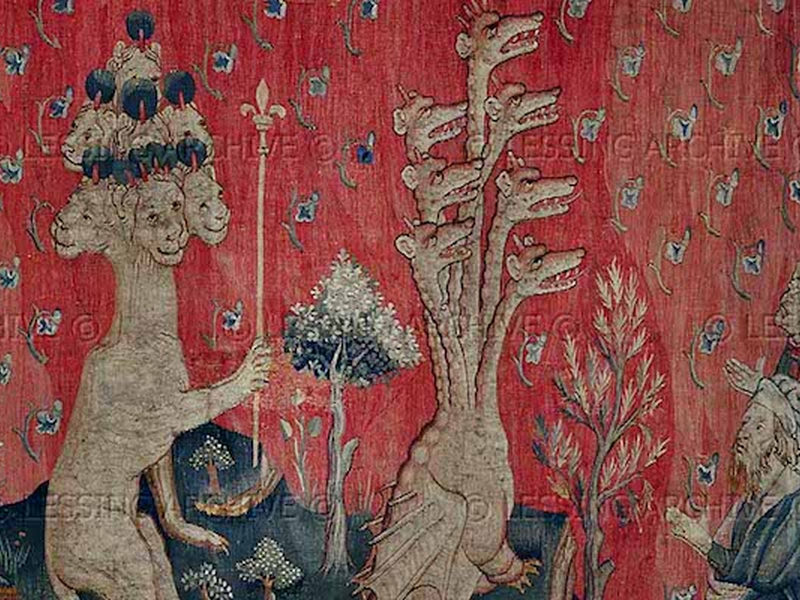
Flying scrolls. Red horses. Beasts coming out of the sea. Winged women. The list goes on. Apocalyptic literature in the Bible is like a cross between science fiction and Marvel comics. And the Bible has a fair bit of this sort of thing. Daniel sees visions in Babylon, Zechariah sees…

by Toby SumpterNovember 4, 2014

bhm-skyline-2
Theopolis News

New Name, New Look

Trinity House Institute has taken a new name, the Theopolis Institute. This striking new name expresses our unique vision and mission and captures the unified purpose behind all our specific programs and activities. We still have Bible, liturgy, and culture in our tagline. We still offer the same courses on…

by TheopolisNovember 4, 2014
istock_000012860926small
Atonement

Not Fearing the Devil

Adam Kotsko offers a socio-political variation on the Christus Victor atonement theory in his 2010 study, The Politics of Redemption: The Social Logic of Salvation . He does this by explaining "the devil" in terms of the Hegelian concept of "objective spirit," Geist . As Kotsko puts it, Geist "refers…

by Peter LeithartOctober 13, 2014
jez-timms-8muutamcwu4-unsplash
Leviticus

The Meaning of Sacrifice

Two factors keep Nahtali Meshel from discussing the meaning of sacrifice until late in his The "Grammar" of Sacrifice . The first has to do with the texts he draws from: "P says little about the meaning of its rituals" (174). The other has to do with the grammatical theory…

by Peter LeithartOctober 8, 2014
jez-timms-8muutamcwu4-unsplash
Leviticus

Praxemics

Chapter 5 of Naphtali Meshel's The "Grammar" of Sacrifice focuses on "praxemics," the physical actions of sacrificial ritual. Praxemes are constituted by six elements: an "atomact," an elementary physical act or gesture; an actor; an object that is acted up; a target for the action and often for the object…

by Peter LeithartOctober 6, 2014
markus-winkler-aid-xyrtlec-unsplash
Leviticus

Jugation and Hierarchy

Two chapters of Naphtali Meshel’s The “Grammar” of Sacrifice cover what he calls “jugation” and “hierarchies.” The first involves the addition of other materials to an animal offering. Jugates include wine, cereal, and oil that are added to the animals (zoemes) that are offered in sacrifice. Some jugates are coordinated…

by Peter LeithartOctober 1, 2014

Showing page 167 of 309

See all

Showing page 34 of 43

See all

Justice and Faith in Acts

Paul's sermons in Acts 13 and 17 both employ language connected with the theme of justification that occupies so much attention in Romans and Galatians. Yet Paul uses the same concepts and terminology in ways that don't seem to fit his usage in the epistles. In Acts 13:38-39, he tells…

April 26, 2016

Protestant Individualism?

In her book on Common Prayer , Ramie Targoff claims that “What emerges in the aftermath of the Reformation is less a triumphant embrace of the individual's private and individual self than a concerted effort to shape the otherwise uncontrollable and unreliable internal sphere through common acts of devotion” (6).…

April 26, 2016

Sons of Levi

The genealogy of Levi is at the center of the genealogical section of 1 Chronicles. The genealogy begins with Adam and reaches ahead to the restoration from exile. In short, the genealogies survey all of human history, and, with the Levites at the center, it's as if the human race…

April 25, 2016

Atoning Alms

Early on in David Downs's study of Alms and atonement in early Christianity, he offers this striking quotation from Basil. He urges his hearers to keep the commandment to feed the hungry “as you would take hold of a fugitive, securing it from all sides with grasping hands and encircling…

April 25, 2016

Suffering Historiography

Theological investigations of Naziism are often dogged by “a subtle methodological difficulty,” writes Paul Hinlicky in Before Auschwitz (2): “the ‘retrospective fallacy,' sometimes also called ‘presentism.'” As Hinlicky explains, “Unlike the historical actors in church and society during the 1920s and 1930s in Germany, our inquiry benefits from certain knowledge…

April 25, 2016

Pagans and their Images

Paul's criticism of idols in his Athens speech repeats philosophical commonplaces about the nature of God and the difference between God and images, commonplaces as old as Plato and as contemporary as Seneca. But they were philosophical commonplaces. Lane Fox has pointed out that the philosophical skepticism about images was…

April 21, 2016

Showing page 296 of 2212

Browse by Category

In Medias Res

Your weekly digest for all things Theopolis.

Donate

Theopolis is nearly 100% donor-supported. Consider joining us on our mission.