Theopolis Logo

Writing

Explore our collection of theological essays, biblical studies, and reflections on faith and culture.

See all
shipwreck
Movies

Separation and the Sea: All Is Lost and Cast Away

“13th of July, 4:50 pm. I'm sorry. I know that means little at this point, but I am. I tried, I think you would all agree that I tried. To be true, to be strong, to be kind, to love, to be right. But I wasn't. And I know you…

by Remy WilkinsSeptember 22, 2016
priscilla
Ecclesiology

Priestesses?

CS Lewis's 1948 essay on “Priestesses in the Church” strikes a reader today as simultaneously quaintly naive and trenchantly prescient. The naive part comes near the beginning, where Lewis describes the decision to take “a revolutionary step.” It would “cut ourselves off from the Christian past and to widen the…

by Peter LeithartSeptember 20, 2016
st-george-dragon
Literature

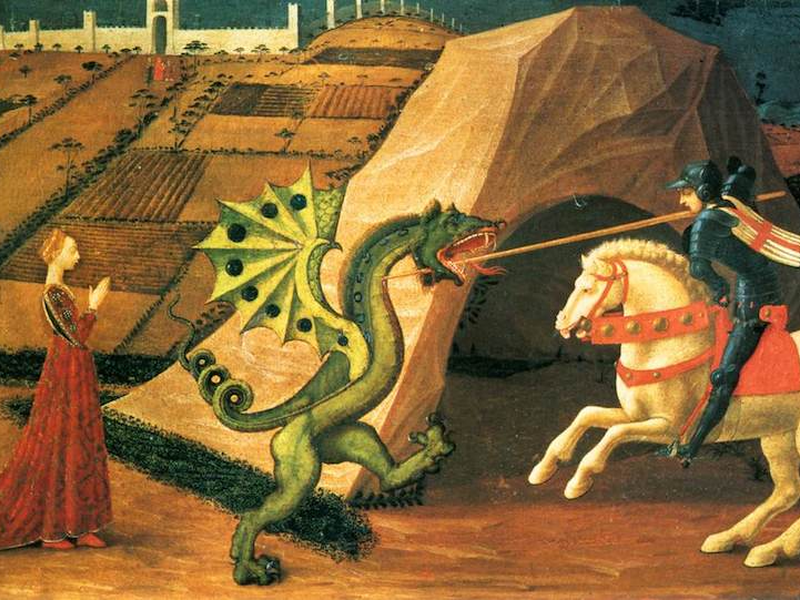
Serpents First

Imagine a version of the Lord of the Rings beginning with Sauron riding into the Shire and lopping off heads in a mad search for the ring, driving Frodo to flight from the beginning, helter-skelter and harried. While, no doubt, some Hollywood exec is at this moment scrambling to reboot…

by Remy WilkinsSeptember 15, 2016
stalin-propaganda-poster
Communism

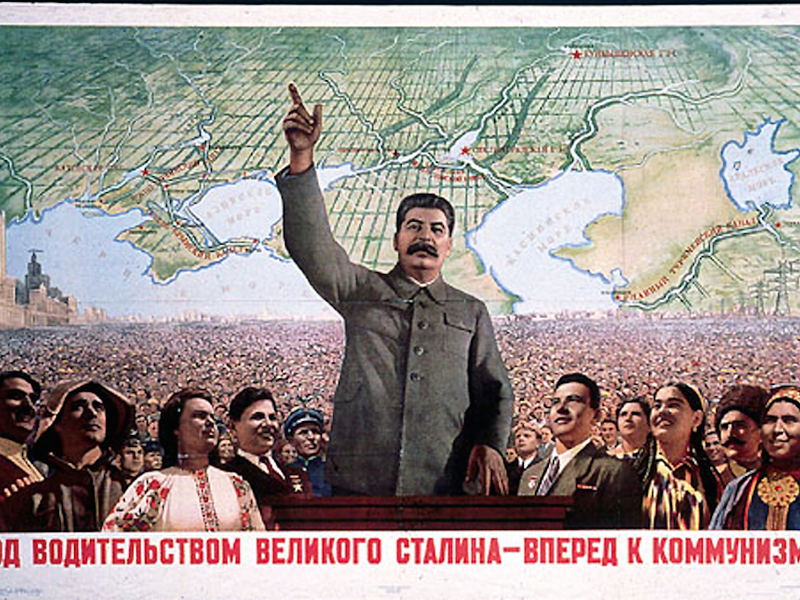
Socialism Without Society

A Communist Confession of Faith states that the aim of the Communists is “to organize society in such a way that every member of it can develop and use all his capabilities and powers in complete freedom and without thereby infringing the basic conditions of this society.” This aim can…

by Bogumil JarmulakSeptember 13, 2016
ind54453
Biblical Theology

The Falls of Man

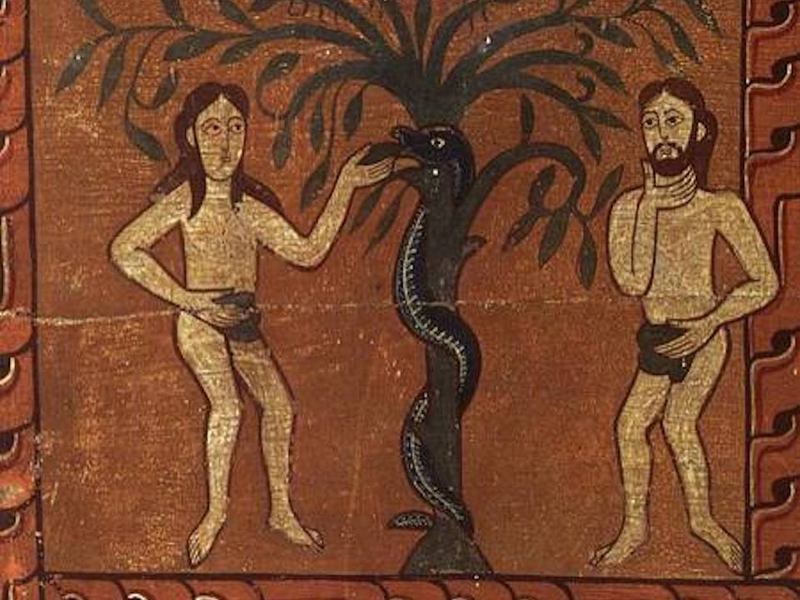
The story of the Fall enjoys a peculiar place in Christian thought. Together with the creation account in the two chapters that precede it, it is one of the few Old Testament narratives consistently to escape the relative neglect the Hebrew Scriptures often suffer. While the characters of Abraham, Moses,…

by Alastair RobertsSeptember 8, 2016
jesus-baptism
Baptism

Water, Spirit, and Fire, (Part 3)

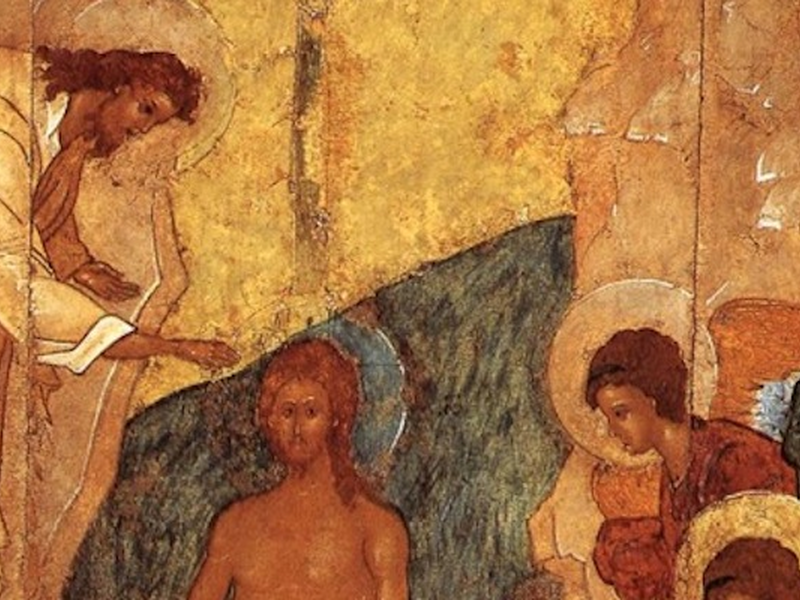
In the previous essay, we saw that fire is a work of the Holy Spirit. The two are related so closely that they cannot be separated. Now we turn our attention to the Spirit's relationship to water. Many have understood Spirit baptism to be a dry baptism, one that is…

by Adam McIntoshSeptember 6, 2016

Showing page 125 of 309

See all

Showing page 34 of 43

See all

Why Protestants Can't Write, II

If the writer must be open to the manifestation of God in “what-is,” she must begin with the senses. Following Aquinas, Flannery O'Connor writes, “The beginning of human knowledge is through the senses, and the fiction writer begins where human perception begins. He appeals through the senses, and you cannot…

January 29, 2016

Apocalyptic Herods

C. E. Douglas's 1915 study of Revelation, The Mystery of the Kingdom , is an eccentric work in a number of ways, but for just that reason highly stimulating, provocative of insight. He rejects, for instance, both the “standard” dating of the book in the reign of Domitian (based on…

January 29, 2016

Den of Thieves

Jesus condemned the temple as a “den of thieves.” He was quoting Jeremiah, who said that the Jews of his time were using the temple as a “safe house” where they could store and enjoy their ill-gotten gains. The temple was not where their thieving took place, but their hideout.…

January 29, 2016

Holy One of Israel

Yahweh is the “Holy One of Israel” ( qedosh yisrael ). It is a name used almost exclusively in Isaiah. It appears once in Kings (2 Kings 19:22), three times in the Psalms (71:22; 78:41; 89:18), a couple of times in Jeremiah. Isaiah uses the name twenty-five times (significant? 2…

January 28, 2016

Kings and the Land

Israelite kings were not to be like kings of the nations (Deuteronomy 17). Kings from the nations multiplied wealth and lived in luxury; they built military machines to conquer their neighbors; they kept harems full of princesses, wives and concubines that represented political alliances. Israel's kings were to be different…

January 28, 2016

Why Protestants Can't Write, I

Blame it on Marburg. The 1529 Colloquy at Marburg attempted to reconcile Lutherans and Zwinglians on the doctrine of the real presence, and was nearly able to achieve its aim. To Luther's surprise, the Zwinglian party agreed with fourteen of his fifteen propositions, and even conceded most of what was…

January 28, 2016

Showing page 327 of 2212

Browse by Category

In Medias Res

Your weekly digest for all things Theopolis.

Donate

Theopolis is nearly 100% donor-supported. Consider joining us on our mission.