Theopolis Logo

Writing

Explore our collection of theological essays, biblical studies, and reflections on faith and culture.

See all
screenshot-2024-06-06-at-8-49-49-am
Biblical Theology

Incarnation, Church, & the New Heart

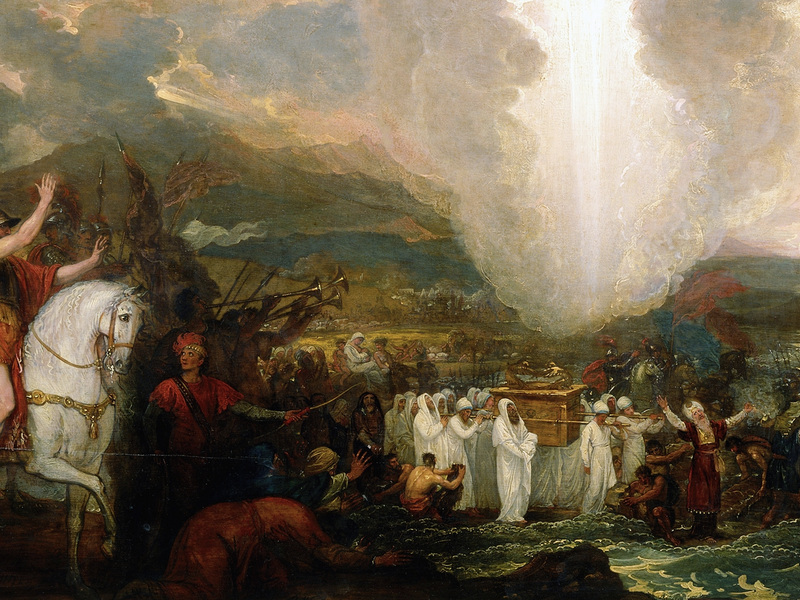
“And it shall be in those days when you are multiplied and increased in the land,” declares the Lord, “they shall say no more, ‘The Ark of the Covenant of the Lord.’ And it shall not come to mind, nor shall they remember it, nor shall they miss it, nor…

by Mark HorneJune 6, 2004
e99a4713
Grace

Grace & Justice in Unexpected Places

Elsewhere, I have argued that there is grace in the so-called covenant of works (see, e.g., my colloquium essay, “A Response to ‘The Biblical Plan of Salvation,’” in The Auburn Avenue Theology: Pros and Cons , edited by Calvin Beisner (pages 118-148). It may be equally surprising to find justice…

by Rich LuskJune 6, 2004
amjd-rdwan-erymmvvsy1y-unsplash-1
Theologia

Trust & Obey

Years ago, as a layman, I had the privilege of attending a Bible study led by a gifted teacher. His story was interesting: back when he was a student he had been severely sanctioned for affirming that one must repent in order to be saved, that one must trust Jesus…

by Mark HorneJune 5, 2004
daniel-born-yw_qx-i8ln4-unsplash
Theologia

The World is Built on Faith

Believing that God really exists Defining “faith” is sometimes made too complicated. The theologian, Louis Berkhof, for example, distinguishes “faith in general” from “faith in the religious sense and particularly saving faith.” Berkhof’s core definition of saving faith is not so bad. He says that it is “a certain conviction,…

by Mark HorneJune 5, 2004
ben-white-qdy9ahp0mto-unsplash
Apostasy

The Children of Christians Are Christians

It is generally acknowledged that when Paul wrote letters to churches, he expected his letters to be read in the worship service to the congregation. It is interesting, then, that when Paul wrote letters to a congregation he could feel free to address children and tell them to obey their…

by Mark HorneJune 5, 2004
24542-cropped-john-calvin
Ecclesiology

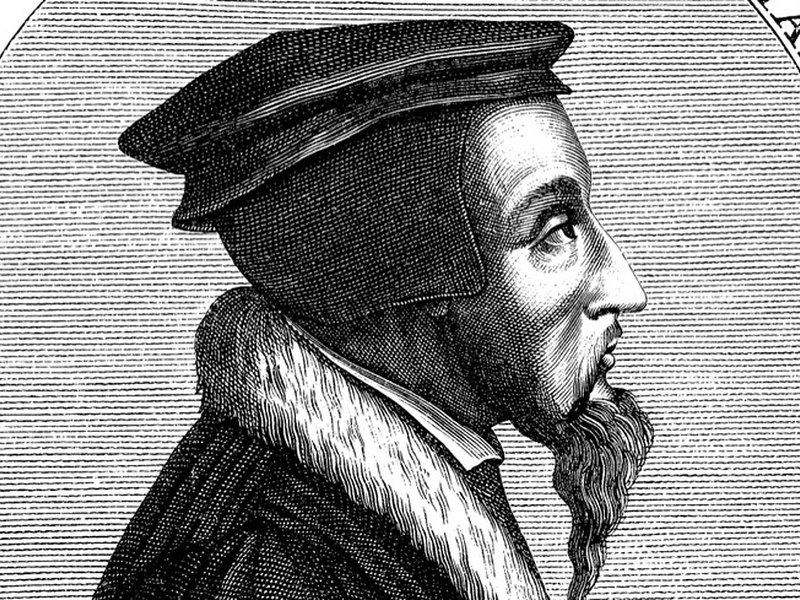
Calvin on the Pastor and Community

Book 4 of Calvin’s Institutes of the Christian Religion is a classic work of ecclesiology. This book is the longest section of the Institutes , showing Calvin’s deep interest in and love for the church. Among its many salutary features is a full scale exposition of those ecclesiastical leaders Calvin…

by Rich LuskJune 5, 2004

Showing page 224 of 309

See all

Showing page 34 of 43

See all

Empty Vestments

John's description of the harlot city (Revelation 17:4-5) that he sees in the wilderness is written in four clauses: She is clothed; she is gilded; she holds something in her hand; and she has a name on her forehead. These four clauses describe seven pieces of the harlot's attire and…

October 21, 2015

Love, Law, and Wrath

Robert Jenson grasps the attractions of antinomianism: “perhaps only on the edge of antinomianism does the true bite of the gospel appear” ( Ezekiel , 62). Yet Christians must stop short of the edge, because “falling over that edge is . . . the disaster of faith.” This is not…

October 21, 2015
Rosenstock-Huessy

The Soul of Eugen Rosenstock-Huessy

When I published some articles on the German-American philosopher Eugen Rosenstock-Huessy (1888-1973) on the web a decade or more ago, I received an email from Norman Fiering, Director and Librarian Emeritus of the John Carter Brown Library at Brown University. A student of Rosenstock-Huessy’s at Dartmouth College during the 1950s,…

October 20, 2015

Apocalyptic Porn

The verb porneuo and noun porneia are prominent themes in Revelation. Two of the seven churches of Asia are warned about factions that commit acts of immorality (2:14, 20), and the great harlot Babylon fornicates with the kings of the earth (17:2; 18:3, 9). The noun form, porneia , appears…

October 20, 2015

Against the “Hebrew Bible”

Not surprisingly, Robert Jenson spends a lot of time in his Brazos commentary on Ezekiel talking about Trinity and Christology and other topics that biblical scholars would tell him do not appear in Ezekiel's prophecy. He knows that his method will offend “the modern exegetical academy's chief dogma,” namely, the…

October 20, 2015

Violence and the End

“Eschatology and violence are intrinsically connected,” writer Robert Jenson ( Ezekiel , 76). So much the worse for eschatology, one might say. It needs to be purged from Scripture and theology. The problem, Jenson says, is that when we purge the violence, “nothing is left” (76, fn 5). The violence…

October 20, 2015

Showing page 361 of 2212

Browse by Category

In Medias Res

Your weekly digest for all things Theopolis.

Donate

Theopolis is nearly 100% donor-supported. Consider joining us on our mission.