Theopolis Logo

Writing

Explore our collection of theological essays, biblical studies, and reflections on faith and culture.

See all
screen-shot-2023-02-24-at-1-48-41-pm
Biblical Chronology

Chronologies and Kings: Part 3

The chronology of the Kings of Judah and Israel can be divided into three periods with clearly defined boundaries. The first period begins with the death of Solomon and the accessions of Rehoboam in the south (Judah) and Jeroboam in the north (Israel). It ends with the deaths of Ahaziah…

by James B. JordanSeptember 22, 1991

johann-walter-bantz-clv9dfjlwac-unsplash-1-5
Art

Arts & Play, Part 1

Most modern people regard the arts as essentially decorative. They are hardly very important, as compared to business, politics, or religion. Yet, from a Biblical point of view, the arts lie close to the heart of human life. The universe that God created is itself an artistic masterpiece by the…

by James B. JordanSeptember 22, 1991
6273e95e0f5ac766258d8cf3_joshuasconquestoftheland-2
Exodus

Chronologies and Kings, Part 2

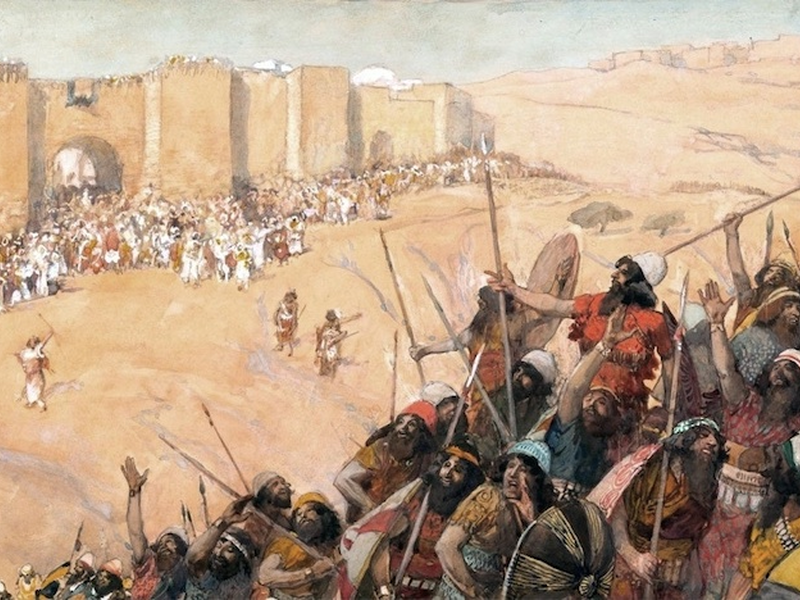
Before we move into a detailed survey of the history and chronology of the kings of Israel and Judah, let us review the chronological information that leads from creation to the kingdom. This will be helpful both to new readers of these essays, and a reminder for those who have…

by James B. JordanAugust 22, 1991
screen-shot-2023-02-24-at-1-48-41-pm
Biblical Chronology

Chronologies and Kings, Part 1

We have completed our overall survey of Biblical chronology, and now turn to a detailed examination of the Biblical information regarding the chronology of Israel’s kings. The first piece of chronological information we have regarding Israel’s kings is very cryptic, and it serves as an guide to the interpretation of…

by James B. JordanJuly 22, 1991
screenshot-2023-08-09-at-2-13-32-pm
Biblical Horizons

Book Review - To Take Place: Toward Theory in Ritual

Jonathan Z. Smith, To Take Place: Toward Theory in Ritual (Chicago: University of Chicago Press, 1987). Reviewed by Peter J. Leithart. The philosophes of the 18th century often attacked Christendom using the tools of anthropology and comparative religion. Rousseau contrasted the idyllic equality of primitive, natural peoples with the bondage…

by Peter LeithartJuly 6, 1991
screenshot-2023-08-09-at-1-47-41-pm
Biblical Horizons

Book Review: The Rise of Magic in Early Medieval Europe

Valerie I. J. Flint, The Rise of Magic in Early Medieval Europe (Princeton University Press, 1991). Reviewed by Peter J. Leithart. Valerie I. J. Flint, Professor of History at the University of Auckland, New Zealand, is refreshingly candid about her reasons for undertaking a study of The Rise of Magic…

by Peter LeithartJuly 6, 1991

Showing page 295 of 309

See all

Showing page 34 of 43

See all

Structure in Revelation 11

The account of the two witnesses (Revelation 11:3-13) is arranged in a chiastic order: A. Two witnesses, olive trees, lampstands, vv 3-4 B. Devouring enemies with fire from mouth, v 5 C. Authority to shut up heaven, turn waters, smite earth, v 6 D. Beast from abyss makes war, overcomes,…

February 18, 2015

Who's Afraid of Modern Art?

“ W ho’s afraid of modern art? ” asks Daniel Siedell. He answers, “I am.” As critic and curator, Siedell is passionately devoted to modern art. It frightens him because that is what it’s supposed to do. Munch’s The Scream , for instance, doesn’t just express the painters own anxieties.…

February 17, 2015

Rejoicing in Lament

I n the terrible trial scene in Till We Have Faces , the gods strip away layer after layer of Queen Orual’s self-justification, and when she has been laid bare, she finally has something to say to them: “Lightly men talk of saying what they mean. Often when he was…

February 17, 2015

On Missing the Main Thing

In his 1959 Luther the Expositor , Jaroslav Pelikan remarked on the tendency of church historians to neglect the main thing in theologians of the past: “Entire histories have been written - histories of a whole section of the church, of an era in church history or of a major…

February 17, 2015

God and Constantine

According to Augustine, all of Constantine’s achievements were gifts of God ( City of God , 5.25): He “gave to the Emperor Constantine, who was not a worshipper of demons, but of the true God Himself, such fulness of earthly gifts as no one would even dare wish for. To…

February 17, 2015

Reforming Council

Donald Norwood reminds us in Reforming Rome that the Reformers were eager for a ecumenical council to resolve the conflicts sparked by the Reformation. In 1560, Calvin writes, “In order to put an end to the divisions which exist in Christianity, there is need to have a free and universal…

February 16, 2015

Showing page 462 of 2212

Browse by Category

In Medias Res

Your weekly digest for all things Theopolis.

Donate

Theopolis is nearly 100% donor-supported. Consider joining us on our mission.