Theopolis Logo

Writing

Explore our collection of theological essays, biblical studies, and reflections on faith and culture.

See all
screenshot-2024-10-15-at-10-54-38-am
Romans

Robbing Temples

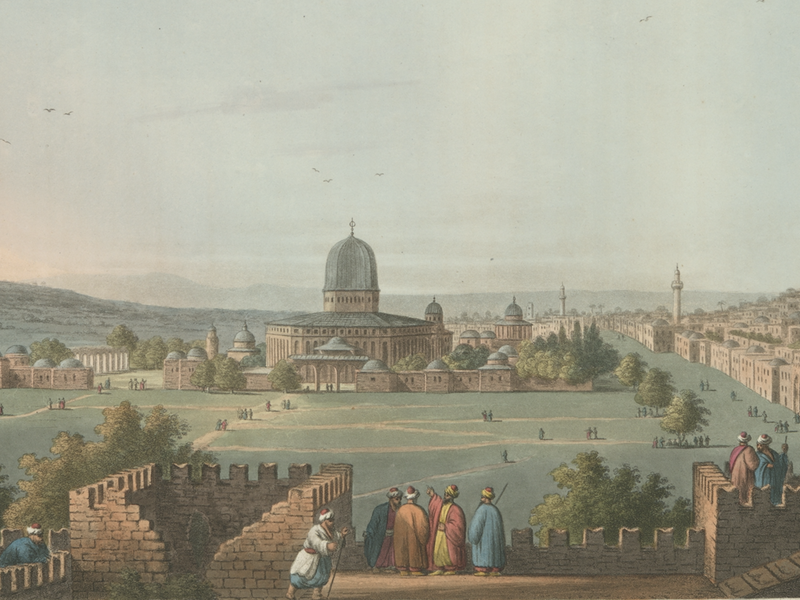
Paul writes to Jews, “You who abhor idols, do you rob temples?” (Romans 2:22b) The English translation “rob temples” makes readers think of pagan temples. There was only one Temple for Israel, so robbing more than one would indicate other temples are in view. And if the Jews wanted to…

by Mark HorneOctober 15, 2024
screenshot-2024-10-03-at-12-59-20-pm
Genesis

Regarding Abel’s Offering

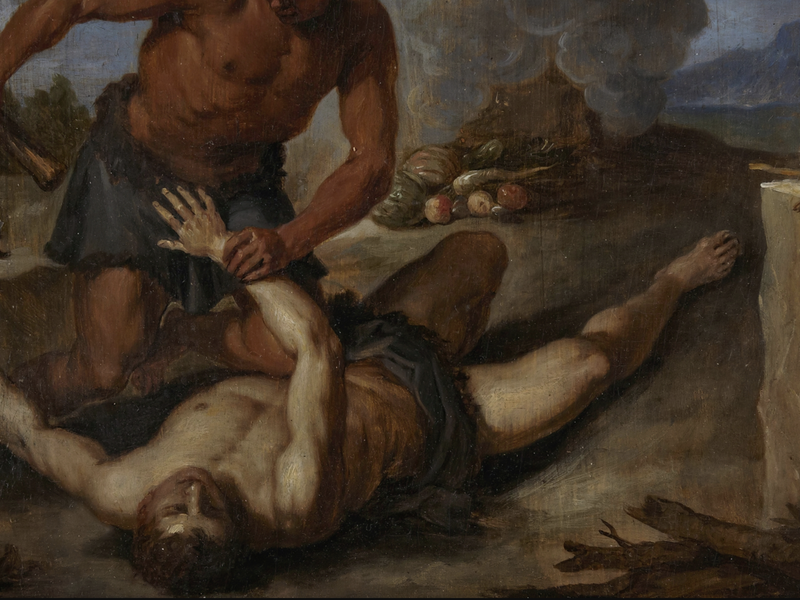
Two offerings Humanity’s first vocation involves guarding and serving the trees that emerge from the ground (Genesis 2:15). God provides these trees to humanity for food. A serpent appears and tempts the couple to eat from a special forbidden tree, the tree of the knowledge of good and evil. Humanity…

by Scott FairbanksOctober 3, 2024
jeremy-thomas-e0ahdsenmdg-unsplash
Hermeneutics

The Trinity and Cross in Creation

At the outset of the Torah (as Christians understand it), a triune God creates the heavens and earth over the course of a seven-day week. Why? What’s the connection between the three and the seven? Could a triune God have created the world over any period of time he chose?…

by James BejonOctober 1, 2024
dan-edwards-sid-lmfxsdu-unsplash
Deuteronomy

Axe Heads and Parapets: Legal Edge Cases?

How relevant to the modern reader are the flying axe head of Deuteronomy 19:5 and the roof parapet of Deuteronomy 22:8? Indeed, how relevant were they to the daily lives of Israelites thirty-five hundred years ago? Suppose that accidental falls from rooftops were exceedingly uncommon in ancient Israel, or that…

by Josh JensenSeptember 24, 2024
matt-cramblett-fbg4owazcd8-unsplash
Political Theology

The Church Builds the World

1 For most of my life, the standing of the American church as a source of national social and political order was measured by reports from the front of the so-called “culture wars.” 2 Memory brings to mind battles over feminism and the ERA, so-called gay rights, the breakdown of…

by Gary YoungSeptember 17, 2024
sixteen-miles-out-al48tflf4e8-unsplash
Matthew

That He would be called a Nazarene

But when Herod died, behold, an angel of the Lord appeared in a dream to Joseph in Egypt, saying, ‘Rise, take the child and his mother and go to the land of Israel…’ And he went and lived in a city called Nazareth, so that what was spoken by the…

by Lyndon JostSeptember 10, 2024

Showing page 17 of 309

See all

Showing page 35 of 43

See all
History

Constantine, Feminist

Mathew Kuefler ( The Manly Eunuch: Masculinity, Gender Ambiguity, and Christian Ideology in Late Antiquity (The Chicago Series on Sexuality, History, and Society) ) notes that the traditional Roman patria potestas , and the male sexual privileges associated with it, were already waning in the early empire. But Constantine gave…

June 3, 2009

Words and Word

Radner has these final comments on the hermeneutics of the “holiness code”: “The difference between the sexual laws of Lev. 18 and the laws of clean and unclean flesh in Lev. 11 cannot simply lie in their respective relation to teh category of ceremonial character. The difference lies in the…

June 3, 2009

Way of God’s Arrival

Radner finds part of the fulfillment of the figures of Leviticus 18 in the genealoty of Jesus. On the one hand, Jesus’ own genealogy includes sexually illicit acts (Tamar, Rahab, Bathsheba) and the various sins (not only sexual, but idolatry and oppression) represented in the genealogy eventually lead to Israel’s…

June 3, 2009

Figures of sex

In dealing with the sexual legislation of Leviticus 18, Ephraim Radner ( Leviticus (Brazos Theological Commentary on the Bible) ) employs a figural/prophetic framework rather than a more traditional ceremonial/moral one. The results are intriguing. The prohibition of adultery, for instance, is “fulfilled by means of confession, self-recognition, forgiveness, and…

June 3, 2009
Politics

Democracy fulfilled

Drake notes the unique “democratic” flavor of the churcfh in the fourth century: “Christianity restored to common people an outlet for popular participation which they were denied in imperial politics. Eusebius [of Caesarea’s] awkward letter to his confregation from Nicaea, Constantine’s frequent letters to the Christians of Nicomedia, Alexandria, or…

June 2, 2009
History

Cyrus and Civilizing Process

Xenophon’s Cyrus provides a good illustration of Elias’s theory: “He trained his associates also not to spit or to wipe the nose in public, and not to turn round to look at anything, as being men who wondered at nothing. All this he thought contributed, in some measure, to their…

June 2, 2009

Showing page 1374 of 2212

Browse by Category

In Medias Res

Your weekly digest for all things Theopolis.

Donate

Theopolis is nearly 100% donor-supported. Consider joining us on our mission.