Theopolis Logo

Writing

Explore our collection of theological essays, biblical studies, and reflections on faith and culture.

See all
screen-shot-2018-10-25-at-1-08-06-pm
John

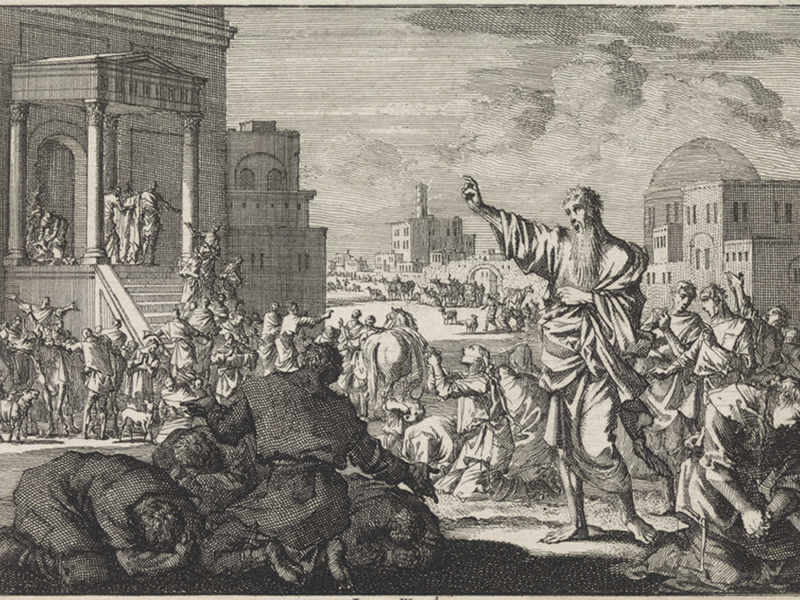
What did Jonah Know?

When a certain Samaritan village refused Jesus’ attempt to visit, James and John asked Jesus if they should call down fire from heaven upon it. The allusion to the story of Sodom and Gomorrah is evident, but, as the story shows, James’ and John’s thinking was entirely warped. Jesus rebuked…

by Ralph Allan SmithOctober 25, 2018
1zey30peztqultcxbanj1-q
Aristotle

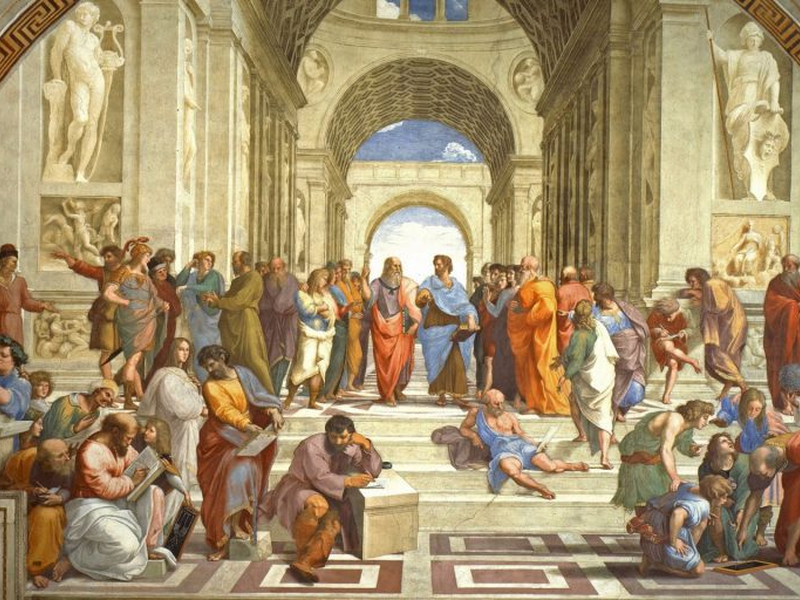
The Relevance of Aristotle and the Role of Christ (Part 2)

In the first part of this essay, I considered paideia (formation)and mimesis (imitation) in the context of Aristotle’s virtue ethics and that of the New Testament. The overall concern is to realize how relevant is Aristotle’s ethics both to diagnosing our current malaise and to enculturing our children, though we…

by Bret SaundersOctober 23, 2018
screen-shot-2018-02-08-at-9-58-52-am
Epistemology

Seeking Integration in a Fragmented World: D.C. Schindler: The Integrative Ministrations of Delight

In these posts I am inviting you into my philosophical reflection about integration , the absence of which we feel palpably in our fragmented world. My hope is for us to understand it more deeply, and to be ourselves reintegrated in the process. At this point in this extended inquiry…

by Esther Lightcap MeekOctober 18, 2018
1zey30peztqultcxbanj1-q
Aristotle

The Relevance of Aristotle and the Role of Christ (Part 1)

It’s hard to imagine someone, centuries from now, mistaking our culture for a moral highpoint in the history of the West. Increasingly the news is dominated by school shootings, abusive policing, sexploitation of women, and increasing rates of suicide, addiction, and divorce. In response, the Left calls for regulations, surveillance,…

by Bret SaundersOctober 16, 2018
img_4660-2
Prayer

God’s Promise to Hear Us

“The righteous cry out, and the Lord hears, and delivers them out of all their troubles. The Lord is near to those who have a broken heart, and saves such as have a contrite spirit.” (Ps. 34:17-18) God is listening. He is listening when we ask Him for financial provision,…

by Lindsey TollefsonOctober 11, 2018
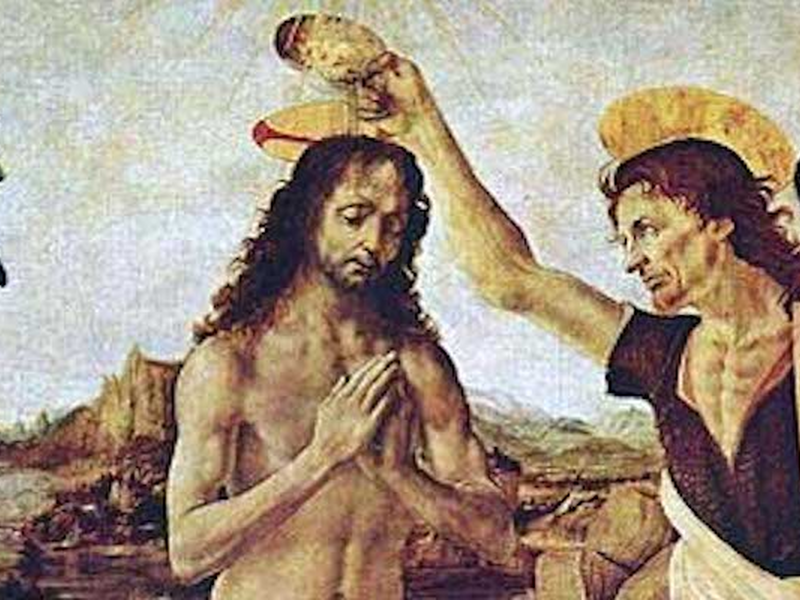
baptism-of-christ
Baptism

Transfiguration and Jesus’ Baptism

The allusions to Mt. Sinai in the transfiguration story point to Jesus as a new Moses and even more as Yahweh, the God who met Moses and Elijah on the mountain. The fact that Jesus, Moses, and Elijah spoke of Jesus’ “exodus” suggests that the mountain of transfiguration was intended…

by Ralph Allan SmithOctober 9, 2018

Showing page 86 of 309

See all

Showing page 35 of 43

See all

Biting again

Philip Esler draws on the anthropological work of Anthony Cohen to suggest that Paul’s reference to “biting” and “devouring” may describe the actual internal life of Paul’s churches: “Anthony Cohen’s argument about the persistence of liminality among persons once they have crossed a boundary to join a new group raises…

February 24, 2009

Biting

Paul contrasts fulfilling the law of loving neighbor with biting, devouring, and consuming. Love for neighbor is human behavior; anything else is feral. The verb “bite” ( dakno ) is used only in Galatians 5:15 in the NT, and only twice in the LXX (Genesis 49:17; Deuteronomy 8:15), both references…

February 24, 2009

Linguistic reversal

Galatians 5-6 turns a number of Pauline terms inside out. After spending most of the letter polemicizing against seeking justification form the “works of the law,” Paul rehabilitates both “work” (5:6) and “law” (5:14; 6:2). After announcing that in Christ we have been freed from the Egypt of Judaic managers…

February 24, 2009

Chiasm upon Chiasm in Galatians 5-6

Galatians 5-6 is organized as a chiasm, with the exhortation to bear one another’s burdens, and fulfill the law of Christ, at the center. The structure suggests that that the freedom that the Spirit grants is precisely freedom to bear the burdens of others as Christ as done for us.…

February 24, 2009
History

Neutral

Freeman again: He claims that Constantine employed the image of the sun, used in both Christianity and paganism, to maintain “his neutral position between opposing faiths.” In part, his interpretation is based on HA Drake. But the neutrality that Drake talks about is a neutrality in “public space” that enabled…

February 24, 2009
History

Not so shrewd

Freeman says that Constantine’s “conversion” was a shrewd political act, basing this conclusion, he claims, on “recent research.” (Burckhardt is recent??) One sign of his shrewdness was his ability to satisfy both Christian and pagan: “Some very careful political manoeuvring was necessary if Constantine was to avoid offending either Christian…

February 23, 2009

Showing page 1412 of 2212

Browse by Category

In Medias Res

Your weekly digest for all things Theopolis.

Donate

Theopolis is nearly 100% donor-supported. Consider joining us on our mission.