Theopolis Logo

Writing

Explore our collection of theological essays, biblical studies, and reflections on faith and culture.

See all
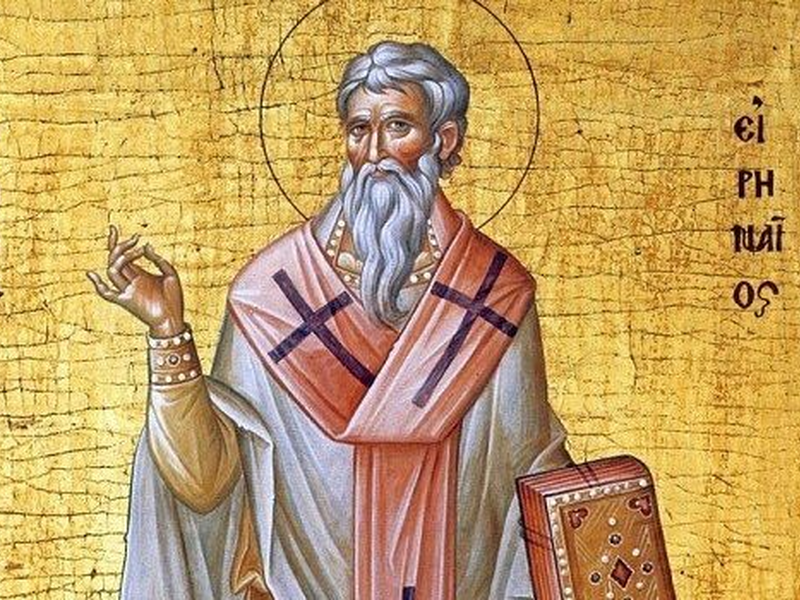
irenaeus-of-lyons-620x350
Anthropology

What Irenaeus’ Christology Teaches Us about the Goodness of our Bodies

The Christian tradition has always had an uneasy relationship with the materiality of creation. Dirt, liquid, sex, blood, and bodies—the world and the flesh stand in company with the Devil as two of the three great enemies of the saints. Mundus, caro, et diabolus , as the old Latin saying…

by Gerald HiestandSeptember 13, 2018

masada-aerial-crop
Biblical Studies

The Second Death in Liturgy and History

Since the destruction of Jerusalem was an event of earth-shattering covenantal significance, what might be the meaning of the subsequent tragic events at the desert fortress of Masada? In Hebrew, the name Masada means “strong foundation or support,” from a root meaning “to hunt, lie in wait for prey.” Located…

by Mike BullSeptember 11, 2018
pray-442560_1920
How to Worship

Cross My Heart

Take a long look at the photo above. To whom is this woman praying? It is hard to tell, isn’t it? Suppose we watch her for a while. We may see her bow low to the floor. Her lips may move, though perhaps it is too low for us to…

by Christopher KouSeptember 6, 2018
img_7664
Biblical Theology

The Problem of Psalm 137

Psalm 137 is widely regarded as one of the meanest of the imprecatory psalms. Certainly as we read it it is seems to be a song of pure vengeance. The exiles in Babylon, in grief over the judgment that Babylon has brought upon them, pray for the destruction of that…

by James B. JordanSeptember 4, 2018
covenant-epistemology
Course Recap

A Week with Esther Meek: Course Recap

Forty men and women came from all over the United States to attend the 2018 Trinity Term course at Theopolis. Pastors, students, teachers, an electrician, a city planner, and others from a variety of denominations spent five days at Beeson Divinity School studying covenant epistemology under the tutelage of philosopher…

by TheopolisAugust 31, 2018
last-supper
Matthew

Galilee of the Gentiles

Matthew records that Jesus "withdrew" to Galilee to begin His public ministry there after He "heard that John had been delivered up" (Mt. 4:12). Matthew’s typically matter-of-fact style veils the truly remarkable character of Jesus’ withdrawal. Matthew has been presenting Jesus as the Messiah, the Seed of Abraham and Son…

by Peter LeithartAugust 31, 2018

Showing page 88 of 309

See all

Showing page 35 of 43

See all
Politics

Against Rawls

John Gray begins his Enlightenment’s Wake with a breathtaking dismissal of neo-liberal political philosophy (the chapter is “Against the new liberalism”). I found it thrilling, and not just because I have a weakness for titles that begin with “Against.” A few highlights: “It is arguable that the traditional of liberal…

December 24, 2008
History

Cities of God

In the introduction to his 2005 book, Cities of God , Augustine Thompson complains that medievalists have paid too little attention to the religious lives of orthodox laymen: “Heretics, popes, theologians, Franciscans, and saints. Where is everyone else?” His book studies the communes of medieval Italian cities partly to redress…

December 23, 2008

Days of John

Reacting to my earlier post on the week of John 1-2, John Barach offers a (needed) lesson in counting: It seems to me that the wedding at Cana has to be taken as the eighth day for two reasons. First, the parallels with the seven days of creation make it…

December 23, 2008

Lots Again

A friend and former student, Aaron Cummings. offers more thoughts on the lot-scapegoat connection: 1) Saul cast lots for Jonathan when we he sinned. Saul sinfully saw Jonathan as a new Achan, a man whose sin affected the congregation. Saul like Joshua uses lots to root out the sin. 2)…

December 23, 2008
History

City of Commerce

Cities dominated by commerce are offensive to many today, but historically a city of commerce is a city of peace, a city that has escaped the domination of military elites and interest. Weber wrote: “While in Antiquity the hoplite army and its training and military interests moved to the center…

December 22, 2008
Politics

Gifts of power

Power and gift seem to be opposed to each other, but Milbank argues that true rule is always donative, always a gift of ruling. This is partly a matter of power-sharing, and obvious once the point is made: A ruler who does not share rule is, by definition, a tyrant;…

December 22, 2008

Showing page 1433 of 2212

Browse by Category

In Medias Res

Your weekly digest for all things Theopolis.

Donate

Theopolis is nearly 100% donor-supported. Consider joining us on our mission.