Theopolis Logo

Writing

Explore our collection of theological essays, biblical studies, and reflections on faith and culture.

See all
untitled-design
Culture

True Humanism: Jesus, Marx, or Jenner?

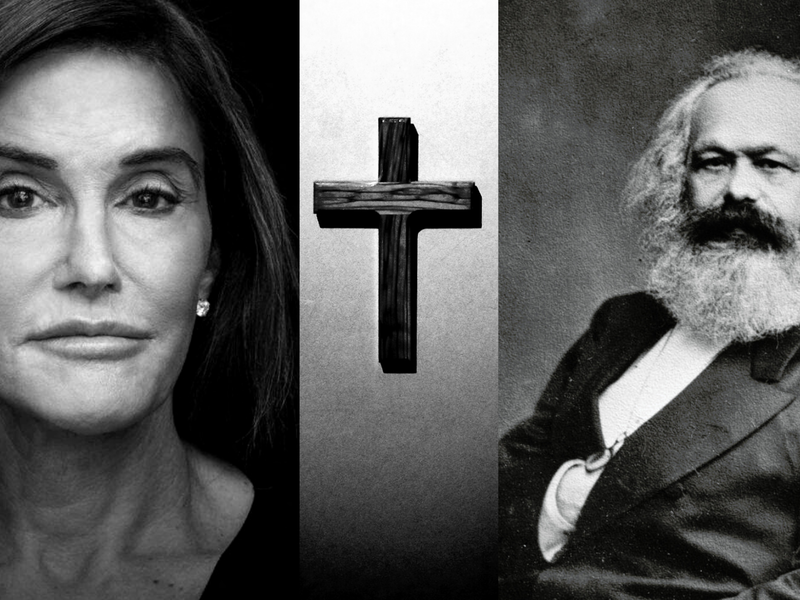
Many contemporary thought leaders have spoken intriguingly about a future without Jesus or, to be more precise, a future in which the transcendent truths of the Christian faith hold little or no sway over society. More to the point, these thought leaders often pose as anthropologists who find Christianity dehumanizing…

by Bruce AshfordMarch 15, 2022
screen-shot-2022-03-08-at-10-58-44-am
Biblical Theology

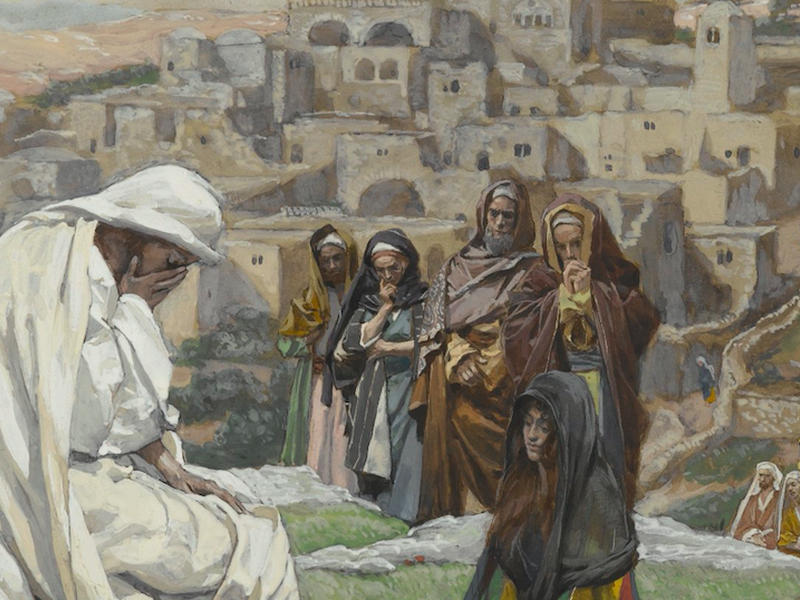
Jesus Wept: A Prologomena to a Biblical Theology of Healing

Jeffery Bishop’s magisterial The Anticipatory Corpse concludes with a question: “Might it not be that only theology can save medicine?” 1 To that question I want to give not merely a general affirmation, but a particular affirmation. Not only can “only theology save medicine” but, in fact, only a biblical…

by Mark BriansMarch 8, 2022
kyler-nixon-urkdeazlvtq-unsplash
How to Worship

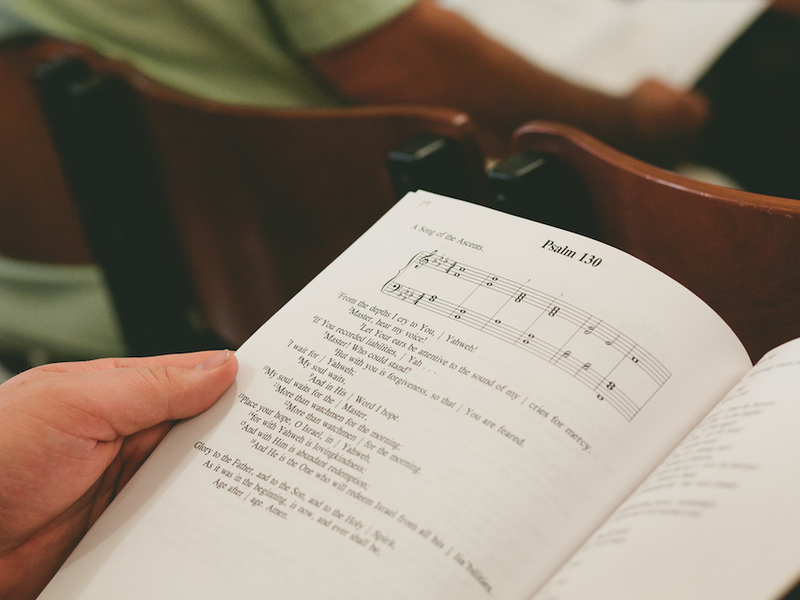
Songs of Mature Reflection: Toward a Theopolitan Hymnody

John Ahern recently made the case on this site for having shorter hymnals. “ I believe hymnals should be shorter than they are ”, he says. “ Much shorter. 100 hymns at most. ” Swap hymnal for “repertoire”, or “hymns” for “worship songs” and it all still applies. A big…

by Rhys LavertyMarch 1, 2022
psalms
Course Announcement

Regional Course: How to Sing the Psalms

The Psalter is the hymnbook of the church. For too long, the psalter has taken a far-secondary place in the worship of God's people. And when psalms are sung, they are often changed drastically from what the Spirit gave us. In this course, Paul Buckley and Brian Moats will explore…

by Brian MoatsFebruary 28, 2022
beige-and-brown-child-photo-moms-collection-youtube-intro-2
Theopolis News

Jordan Prize Winner

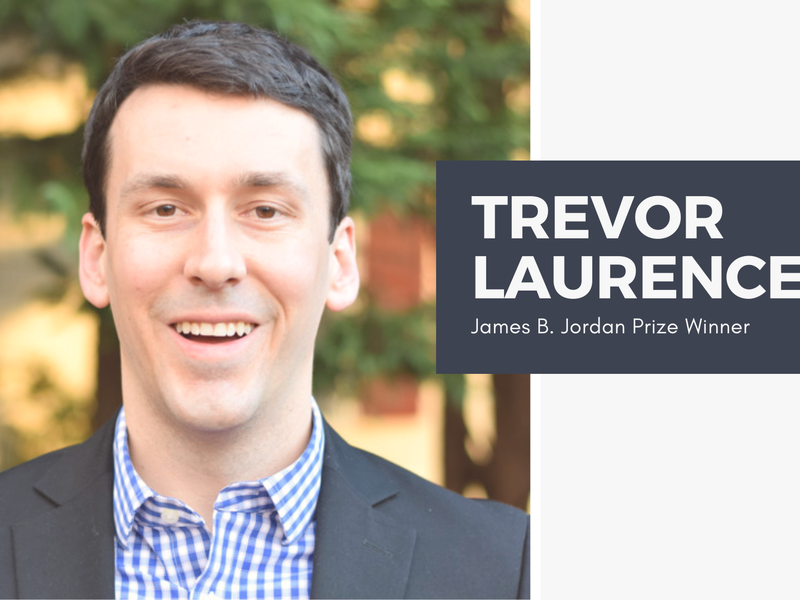
The Theopolis Institute is pleased to announce that Dr. Trevor Laurence is the winner of the 2021 James B. Jordan Prize for outstanding work in biblical theology. Dr. Laurence receives this award for his 2020 Exeter dissertation, “Cursing With God: The Imprecatory Psalms and the Ethics of Christian Prayer.” Laurence…

by Peter LeithartFebruary 25, 2022
48986
Culture

Mark Driscoll, Ergun Caner and the Factions and Fictions of Evangelicalism

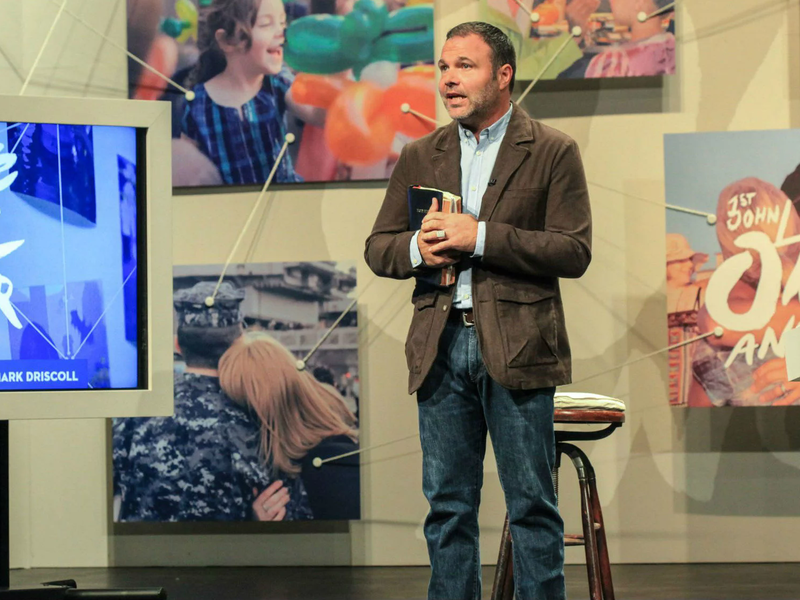
In late 2013 two nearly simultaneous events happened in evangelicaldom: Mark Driscoll was publicly accused of “plagiarism” and Ergun Caner was hired as the president of a Christian college. The first appears to be the first domino that would lead eventually to Driscoll resigning as the pastor of Mars Hill…

by John CarpenterFebruary 22, 2022

Showing page 46 of 309

See all

Showing page 35 of 43

See all
History

Purity and objectivity

Proctor again, summarizing a 1938 article on “Science and the Social Order” from Robert Merton: “the ideal of ‘pure science’ serves a dual function in modern society. On the one hand, the exaltation of pure science represents ‘a defense against the invasion of norms that limit directions of potential advance…

October 28, 2008
History

Revival of purity

Proctor yet again, describing the division of political economy into separate disciplines of sociology and economics in the nineteenth century: “Social theory in the eyes of the young sociologists might strive to become scientific, but to do so it must abandon its craft or practical-political origins and restrict itself to…

October 28, 2008
Philosophy

Artifice and nature

Proctor again, speaking of Renaissance science: “In the science of the moderns, there arises a curious reversal of the order of art and nature. Art becomes the standard against which nature is judged. Francis Bacon’s ‘nature in distress’ - nature distraught by experiment - is as genuine as nature left…

October 28, 2008
Philosophy

Pure knowledge

The drive for purity in knowledge is an ancient one. Robert Proctor ( Value-Free Science? ) sees this impulse in Plato and Aristotle. For the former, knowledge is pure “in the degree to which it makes no appeal to practical arts. Thus Plato criticized Eudoxus, Archytas, and Menaechmus for trying…

October 28, 2008

Anarthrous God

CK Barrett argues in his John commentary that the anarthrous theos of John 1:1 (emphasized by Arians everywhere and at all times) shows that “the Word is God, but is not the only being of whom this is true; if ho theos had been written it would have been implied…

October 28, 2008
Uncategorized

Word came, saying

After Genesis 15, the next time the “word of God came . . . saying” is in Samuel. The word of God comes to Samuel, saying that Saul is rejected (1 Samuel 15:10), and again comes to Nathan to deliver the promise to David (2 Samuel 7:4). The connection of…

October 27, 2008

Showing page 1456 of 2212

Browse by Category

In Medias Res

Your weekly digest for all things Theopolis.

Donate

Theopolis is nearly 100% donor-supported. Consider joining us on our mission.