Theopolis Logo

Writing

Explore our collection of theological essays, biblical studies, and reflections on faith and culture.

See all
img_5862
Culture

Birmingham Life and Culture Series

There’s something about joy that is infectious. And occasionally, we all have the opportunity to be in someone’s presence who is so happily engaged in their work, so joyous in their pursuits, that we want to learn from them. We want to know where that joy comes from and attain…

by Brian MoatsOctober 23, 2015
img_6077
How to Worship

How To Change the World, (Part 1)

Jesus has told us that He intends all nations to be discipled. Nations. Not just individuals. All nations as theocracies. That being the case, the Church exists for the life of the world. Being baptized is not only a matter of becoming part of a new family, it is also…

by James B. JordanOctober 22, 2015
branagh-macbeth
Literature

Adam, Saul, Macbeth

Harold Bloom’s essay on Macbeth includes the kind of penetrating insights that make Bloom the great Shakespearean scholar that he is, but it also includes his typical and intense anti-Christian bias. “If Lear was pre-Christian, then Macbeth is weirdly post-Christian. There are, as we have seen, Christian intimations that haunt…

by Ralph Allan SmithOctober 20, 2015
bowls
Revelation

Inverted Atonement

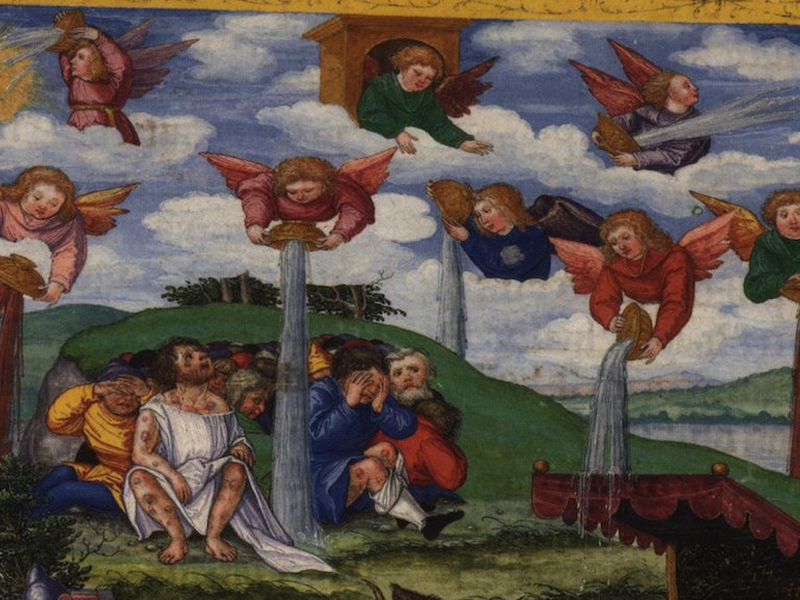
Revelation 16 is a day of atonement text. The tabernacle of the testimony has been opened (15:5). The angels who receive the bowls are clothed in linen (15:6), the clothing of the high priest when he goes into the sanctuary on the day of atonement (Leviticus 16:4). The temple is…

by Peter LeithartOctober 15, 2015
img_9025
Biblical Studies

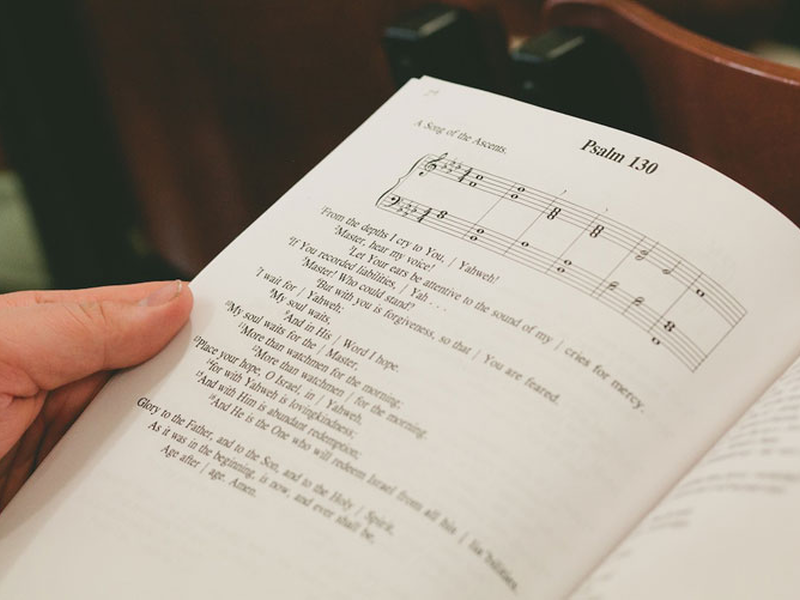
Music and Hermeneutics

From time to time, when I’ve lectured on how to read the Bible, I’ve used art-music as one example thereof. When we listen to a simple folk song, we hear the same melody over and over again, but this is not how composers write "high" music. Let me amplify. A…

by James B. JordanOctober 13, 2015
schlanger_jonah_prison_090913_620px
Biblical Studies

In the Fish: The Church as Tomb

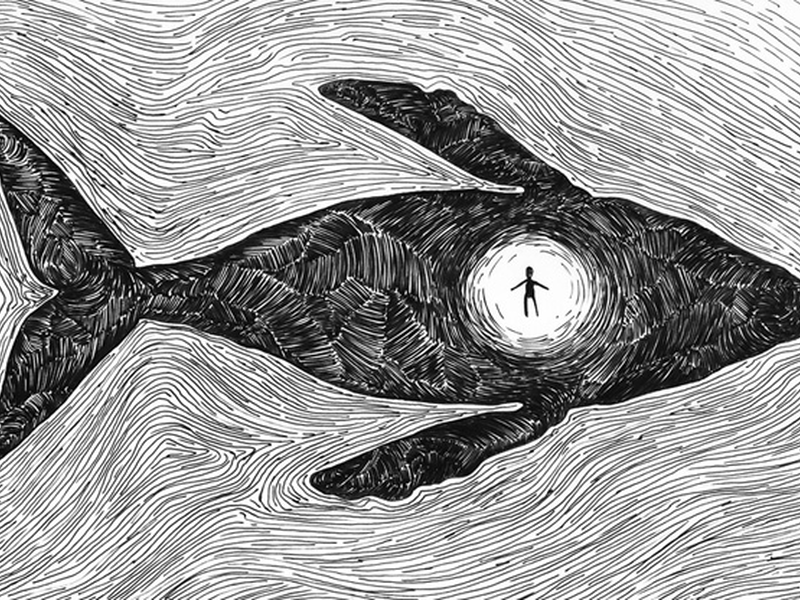
"For just as Jonah was three days and three nights in the belly of the sea-monster, so will the Son of Man be three days and three nights in the heart of the earth" (Matthew 12:40). Some reflections on Jonah’s Big Fish have led to the following essay. Let me…

by James B. JordanOctober 8, 2015

Showing page 142 of 309

See all

Showing page 35 of 43

See all
Literature

Conrad and empire

William Deresiewicz has an excellent review of a new biography of Joseph Conrad in the June 11 issue of TNR . One thread of the review has to do with Conrad’s phantasmagorical vision of European imperialism and his related concern for the moral dangers of isolation from well-known social habits…

June 5, 2008

Meaning and Significance

In an effort to maintain his distinction of meaning and significance, interpretation and critical assessment, E. D. Hirsch examines Welleck’s treatment of Marvell’s phrase “vegetable love.” He notes that “Welleck could not even make his point unless he could distinguish between what ‘vegetable’ probably means as used in the text…

June 4, 2008

Saussure and semantics

Tallis yet again: He argues that confusion of langue and parole : leads to “conflation of the idea of a world as a value or set of values within the system with the meaning of a word used on a particular occasion, that by virtue of which verbal meaning is…

June 4, 2008

Differance and words

Tallis thinks that one of the basic confusions of post-Saussurean criticism is a confusion of the levels of parole and langue . Signifiers and signifieds are, for Saussure, purely differential; but words are not signifiers or signifieds, but types of signs, which are combinations of the two. Signifier and signified…

June 4, 2008

Language and reality

Does language take cues from reality? Tallis says Yes; at least, that’s one kind of relation language has to reality. His charming evidence: He notes that it’s more common to add “barking” to “dog” than to add other verbs. If language doesn’t take its cues from reality, “we must surely…

June 4, 2008

Spatial and Linguistic “Edges”

Tallis contests the post-structuralist notion that all distinctions are linguistic, imported to reality by what we say about them. This, he thinks, oversimplifies a more complex situation. For some realities, the “edges” are determined by language, because those realities depend on classifications that we have brought to the real world.…

June 4, 2008

Showing page 1508 of 2212

Browse by Category

In Medias Res

Your weekly digest for all things Theopolis.

Donate

Theopolis is nearly 100% donor-supported. Consider joining us on our mission.