Theopolis Logo

Writing

Explore our collection of theological essays, biblical studies, and reflections on faith and culture.

See all
screen-shot-2021-06-03-at-8-49-15-am
Ezra

Ezra: The Aaronic Rest-Giver

If you’re a preacher looking for good commentaries on Ezra, you’ll struggle. Certainly to find ones that wrestle in good detail with the text. And certainly ones that don’t cost you an arm and a leg. There’s a good bit more for Nehemiah, which is odd, as the two are…

by Rhys LavertyJune 8, 2021

christian-lue-k1e6994p3t8-unsplash
1 John

1 John in Community

Quick thought experiment: try to pretend you’ve never read 1 John before. Read 1:1-6. Go ahead; I’ll wait. Now, on to v. 7: “But if we walk in the light as He is in the light, we have fellowship with ______….” What word would you expect in that blank, based…

by Tim NicholsJune 1, 2021
noahs-ark-genesis
Hermeneutics

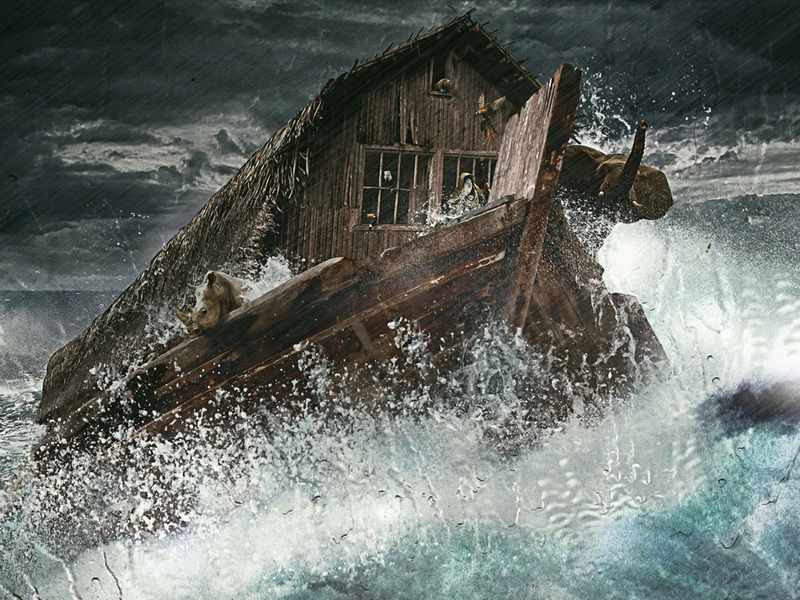
Spending Time with Noah: Reflections on Prepositions in the Flood Narrative

In my work as a Bible translator, I was recently checking our translation team’s draft of Genesis 8:8, which says of Noah (translating the Hebrew quite literally): And he sent out the dove from with him to see: had the waters lessened from upon the face of the ground? Part…

by Josh JensenMay 25, 2021
86758
Philosophy

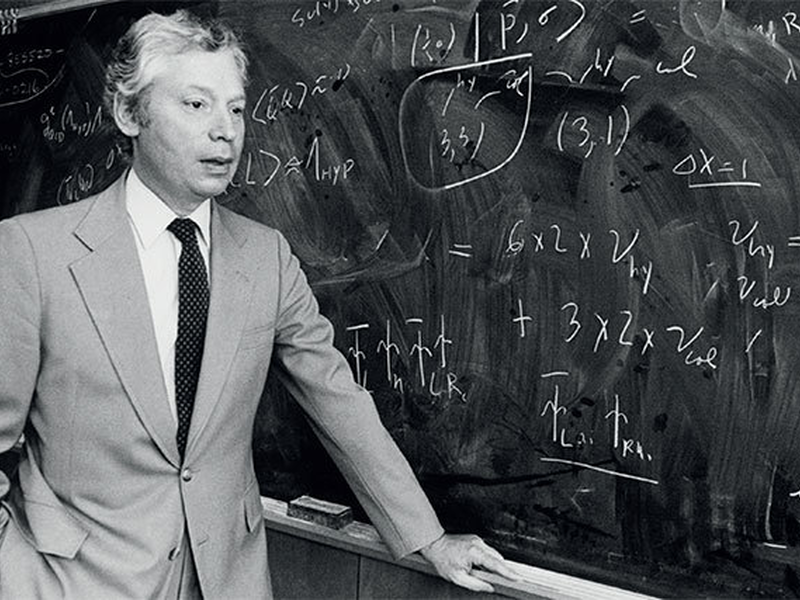
Steven Weinberg Destroyed My Faith

Just in case a reader may not know Weinberg, he is a theoretical physicist and the winner of the Nobel prize in physics in 1979, as well as countless other prizes for his research. He is also a prolific, lucid, and captivating writer. If you want to read something on…

by Ralph Allan SmithMay 18, 2021
screen-shot-2020-09-17-at-9-11-45-am
Colossians

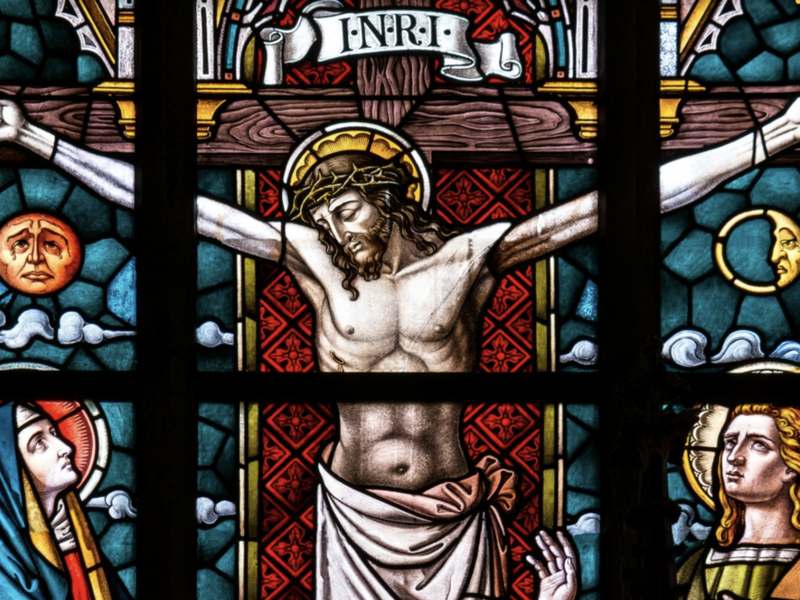
Reconciliation in Colossians 1:20

Colossians 1:15-20 is a famous passage in Paul’s epistles because it is a succinct and powerful poem. It appears even to have been a hymn. Given the uniquely Pauline language — “reconciliation” is a term used only by Paul — it should not seem odd to attribute the poem/hymn to…

by Ralph Allan SmithMay 11, 2021
stalker_still
Movies

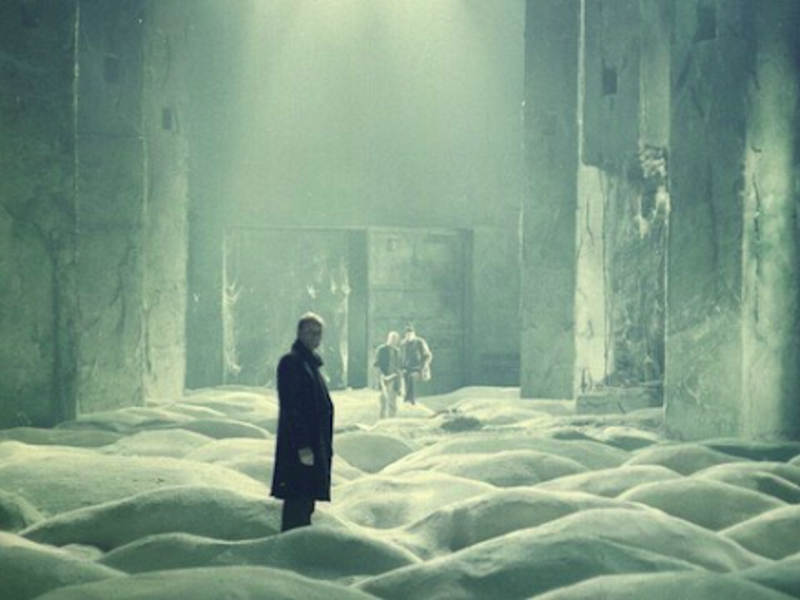
Terror of Knowing Myself

Stalker (1979) is a film by Andrei Tarkovsky based on Roadside Picnic by the Strugatsky brothers. It shows a day from the life of a stalker, a man who enters the so-called "Zone", an Alien landing site, where he leads people to a room that grants people’s innermost desires, which…

by Bogumil JarmulakMay 4, 2021

Showing page 55 of 309

See all

Showing page 35 of 43

See all

Arbitrary Signs

A couple of weeks ago, I mused on whether Saussure would have agreed with Barr’s rejection of the idea that different mentalities are built into different languages. In his superb book on Saussure, Jonathan Culler provides further evidence that Saussure would not agree with Barr. Culler’s argument, to put it…

April 9, 2008

Person and essence

Gilles Emery writes concerning Thomas’s view of essence and person in the Trinity, defending Thomas against Rahnerian-style charges: “There is . . . not ‘derivation’ of persons from an essential act in Thomas. This observation clarifies anew the structure of the treatise on God: the distinction of the two sections…

April 8, 2008

Greatest good

Bonaventure wrote: “Behold, therefore, and observe that the highest good is unqualifiedly that than which no greater can be thought. And this good is such that it cannot rightly be thought of as non-existing, since to exist is absolutely better than not to exist.” So far, so Anselmian. Then Bonaventure…

April 8, 2008

Branch and Stone

The “seven-eyed” stone in Zechariah 3:9 has been variously interpreted - for example, as the crown on the head of the high priest Joshua (the seven eyes being the letters engraved on the crown), as the kingdom of God, as a stone with seven “springs” (in Hebrew, the same word…

April 8, 2008
History

Holy City

Babylon was considered a holy city in the ancient world, its kings consecrated by power given by Marduk. This is the reason the Persians destroyed the temple of Esagila and deported the statue of Marduk to Persia (or, by some accounts, melted it down) when the Babylonians revolted against Persian…

April 7, 2008

Protestantism and the Postmodern Self

Postmodernism has, we are told, “decentered” the modern self, that unified, sovereign, isolated, godlike “thinking thing” discovered by Rene Descartes. The postmodern self is not single but multiple; not sovereign but controlled by external forces; not isolated but “embedded” in the world and in relation; not godlike, but human, all…

April 7, 2008

Showing page 1537 of 2212

Browse by Category

In Medias Res

Your weekly digest for all things Theopolis.

Donate

Theopolis is nearly 100% donor-supported. Consider joining us on our mission.