Theopolis Logo

Writing

Explore our collection of theological essays, biblical studies, and reflections on faith and culture.

See all
trnava-university-beeyeib-am8-unsplash
Biblical Chronology

Meredith G. Kline Strikes Back, Part 2

In our first essay we looked at Kline’s flawed exegesis of Genesis 2:5 as it relates to Day 3 of creation. Now we turn to Kline’s new argument against a chronological reading of Genesis 1, as found, again, in "Space and Time in the Genesis Cosmogony," Perspectives on Science and…

by James B. JordanMarch 29, 1997
30211-bathsheba-800w-tn
Hermeneutics

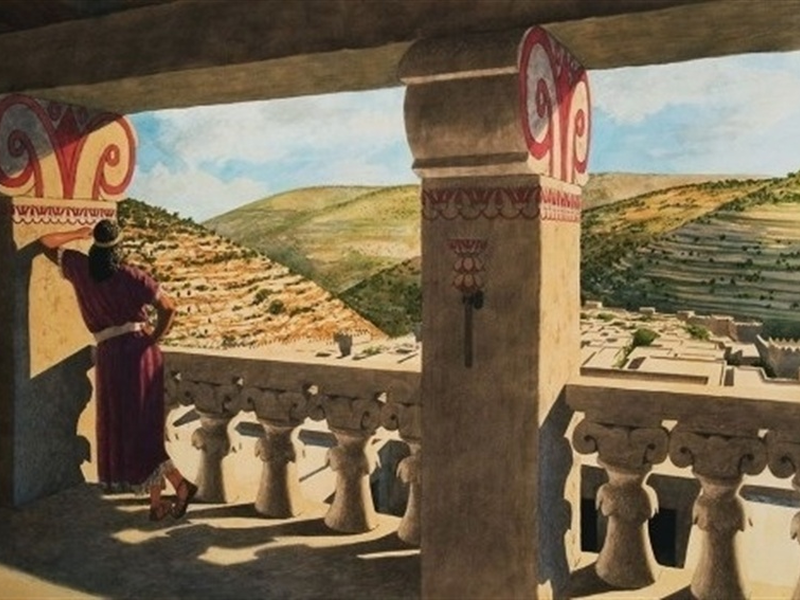
Bathsheba: The Real Story

One of the advantages of paying very close attention to the details in the Bible, especially chronological and genealogical details, is that they can shed light on situations that don’t seem to make much sense apart from them. One such situation is that of Bathsheba. It appears that Bathsheba willingly…

by James B. JordanMarch 28, 1997
jonathan-cooper-ygxq7hfdjzq-unsplash
Church Calendar

Is the Church Year Biblical? | A Parking Lot Parable

Once upon a time, Jeff Meyers and Tony Rollins–old friends who had not seen each other for a few years–met in the parking lot of a neighborhood church. They were dropping off their pre-school children at the church for Mother’s Day Out. They were such conscientious and helpful fathers. As…

by Jeff MeyersMarch 20, 1997
annie-spratt-upxf6to3fea-unsplash
Daniel

The Allegory of Susanna

Years ago, when I was at the briefly-existing Geneva Divinity School, I taught a course in the Apocrypha. One thing that struck me at that time is that two of the stories are almost certainly religious allegories (as well as moral tales): Judith and Susanna. Since "Susanna" means "Lily," this…

by James B. JordanFebruary 28, 1997
serafima-lazarenko-_ivuwprfczi-unsplash
Biblical Horizons

A Blossom of Yahweh’s Field

Peter’s essay inspires me to write up some similar thoughts about the flower of the field. Rightly does Peter associate the almond with Yahweh’s garden, because the Garden of Eden is symbolically positioned as parallel to the Holy Place of the Tabernacle and Temple. To wit: Since Aaron’s rod blossomed…

by James B. JordanFebruary 28, 1997
trnava-university-beeyeib-am8-unsplash
Biblical Chronology

Meredith G. Kline Strikes Back, Part 1

We have had occasion to discuss the views of Meredith G. Kline previously in these newsletters, and now it is time to do so again. Kline teaches at Gordon-Conwell Theological Seminary and also at the Westminster Theological Seminaries (Philadelphia and San Diego). He is the author of some interesting insights…

by James B. JordanFebruary 28, 1997

Showing page 259 of 309

See all

Showing page 35 of 43

See all

Day of Midian

Isaiah 9 describes not only a dawn, but the dawn of victory. With the light comes a multiplication of the nation, a repopulation of the land, gladness like the gladness of harvest (v. 3). This gladness is the result of a deliverance, a new exodus that will deliver Israel from…

August 11, 2007

Dawn and darkness

Matthew says that Jesus’ residence in Capernaum fulfills the prophecy of Isaiah 9 about the dawning in the land of Zebulun and Naphtali. There are several aspects to this. 1) Isaiah 9 comes at the end of a prophecy concerning the Aramean crisis in Judah. Rezin of Aram and Pekah…

August 11, 2007

Promise of Zebulun

It’s no wonder that the land of Zebulun and Naphtali, the region of Galilee, was considered a place of darkness. Towns had been sold to the Gentile Hiram, and apparently pronounced worthless (1 Kings 9). This region was the first to go into exile (2 Kings 15:29), and the Assyrians…

August 11, 2007
Literature

Austen the Romantic?

Though Austen lived almost two decades into the nineteenth century, she is usually characterized as a writer of the eighteenth. Her aesthetic and tastes were set in stone by 1800 (when she was 25), and she was untouched by romanticism. Indeed, she is often read as an anti-Romantic writer. The…

August 11, 2007
Literature

Austen the Abolitionist?

Gabrielle White offers an abolitionist reading of Austen’s work, and of Emma specifically. Part of the evidence is circumstantial. Some of Austen’s best-loved writers favored not only the abolition of the slave trade (which happened in 1807) but also the abolition of chattel slavery in British colonies (which didn’t happen…

August 11, 2007

Darcy and Elizabeth

Ellen Belton points out that in the 1995 BBC production of Pride and Prejudice , “Elizabeth and Darcy (Colin Firth) are hardly ever frames together until well into the second half of the film, and when they are shown in the same shot, the effect is to emphasize the obstacles…

August 11, 2007

Showing page 1649 of 2212

Browse by Category

In Medias Res

Your weekly digest for all things Theopolis.

Donate

Theopolis is nearly 100% donor-supported. Consider joining us on our mission.