
Theopolis Logo

Writing

Explore our collection of theological essays, biblical studies, and reflections on faith and culture.

See all
giammarco-zeh-ljawhtg-unsplash
Biblical Horizons

OPEN BOOK: Views and Reviews

Isaac E. Mozeson, The Word: The Dictionary that Reveals the Hebrew Sources of English (Northvale, NJ: Jacob Aaronson Inc., 1995), 310 pp. Reviewed by James B. Jordan. Once there was only one language in the world, the language God spoke to Adam. At the Tower of Babel, there came to…

by James B. JordanJune 28, 1996
tim-wildsmith-j6jv-mkdzqs-unsplash
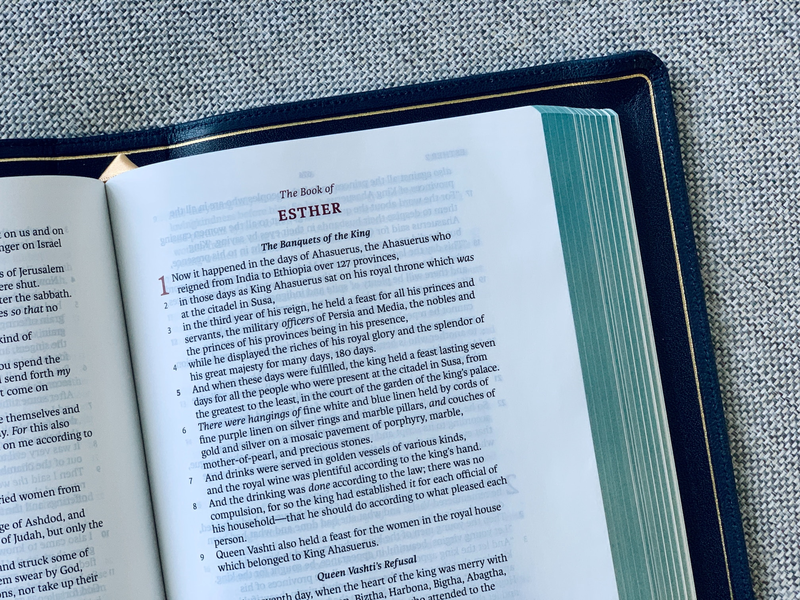
Esther

Esther: Historical & Chronological Comments (IV)

2. The Setting of the Book of Esther A. Xerxes (continued from previous issue) Ezra 6:14 says that the Jews finished building "according to the command of the God of Israel and the decree of Cyrus and Darius and Artaxerxes king of Persia." The problem with this verse is that…

by James B. JordanJune 28, 1996
ales-krivec-4mibe6zg5r0-unsplash
Acts

Jesus and Amalek

This essay goes with our previous study of the Amalek pattern back in Biblical Horizons No. 2. Since many do not have this essay, entitled "The Battle of Gog and Magog," let me cite the relevant paragraphs: Note in Genesis 12-15 that Abram moves into the land after escaping Pharaoh…

by James B. JordanJune 28, 1996
aaron-burden-1ebsmyrau-s-unsplash
Proverbs

The Strange Woman

Proverbs 7:6-23 is one of several passages early in the Proverbs in which Solomon warns his son about the wiles and dangers of the "strange woman." It is certainly quite proper to take these as straightforward warnings against sexual sins, and these are certainly warnings that need to be impressed…

by Peter LeithartJune 27, 1996
jan-kahanek-g3o5ztrk2e4-unsplash
Biblical Studies

Some Observations

1. In Luke 4:20 we read that after Jesus finished reading from Isaiah, "the eyes of all in the synagogue were fixed upon Him." This is usually taken in a psychological sense: They were amazed at Jesus somehow. I suggest that, as always, a merely psychological reading is a modern…

by James B. JordanMay 28, 1996
tim-wildsmith-j6jv-mkdzqs-unsplash
Esther

Esther: Historical & Chronological Comments (III)

2. The Setting of the Book of Esther Up to now we have assumed what we must prove, that the king in Esther is Darius the Great. While Biblical chronologists have usually taken this position, commentators on the book of Esther have often taken others as the king. One view,…

by James B. JordanMay 28, 1996

Showing page 265 of 309

See all

Showing page 35 of 43

See all
Theology

Sade and the cross

Notoriously, the Marquis de Sade stole some consecrated wafers, pushed them into a prostitute’s vagina, and had sex, saying, “Avenge yourself, if you are God.” He meant this as blasphemy, and it is. But his blasphemy only shows just how insurmountable Jesus is. Sade thought himself innovative, but he only…

January 19, 2007

Holes

Individualism treats us as splendidly isolated beings, our real selves fountains of ideas and desires but impenetrable to anything from the outside. How ever did we get this idea? By ignoring the body. If the body is at all a clue to the secret of human life, it shows us…

January 18, 2007
History

Tribalism

To grasp what Rosenstock-Huessy says about tribalism, we need to recognize that he sees the tribe as one moment in the development of ancient civilization. In The Fruit of Lips, he describes the origin of the tribe: “The ancient cycle began in the primitive tribe, among a little group of…

January 18, 2007
Economics

Marxism

In his chapter on the Bolshevik Revolution, Rosenstock-Huessy spends a number of pages digressing about Marx and Marxism. The following notes summarize his treatment of Marxism. Marx, Rosenstock-Huessy begins, is the culmination of the protest against the “order of things” from within Western civilization itself. Marx is biographically well-positioned for…

January 18, 2007
Philosophy

Farewell to Descartes

Rosenstock-Huessy’s brief essay on Descartes (included in I Am An Impure Thinker, extracted from Out of Revolution) highlights a number of recurring themes in Rosenstock-Huessy’s work: He discusses his own formula, Respondeo etsi mutabor, in contrast to the cogito of Descartes; he attacks the abstractions of science and modern thought;…

January 18, 2007

Unbearable burden of Evangelicalism

Anti-sacramental, anti-ritual evangelicalism emphasizes a personal relationship with God, but tends to encourage what Anthony Giddens calls “pure relationship,” a relationship that is not tacked down with external anchors and supports. A live-in relationship, without benefit of the rites and legalities of marriage, is a pure relationship. Evangelicalism tends to…

January 18, 2007

Showing page 1733 of 2212

Browse by Category

In Medias Res

Your weekly digest for all things Theopolis.

Donate

Theopolis is nearly 100% donor-supported. Consider joining us on our mission.