Theopolis Logo

Writing

Explore our collection of theological essays, biblical studies, and reflections on faith and culture.

See all
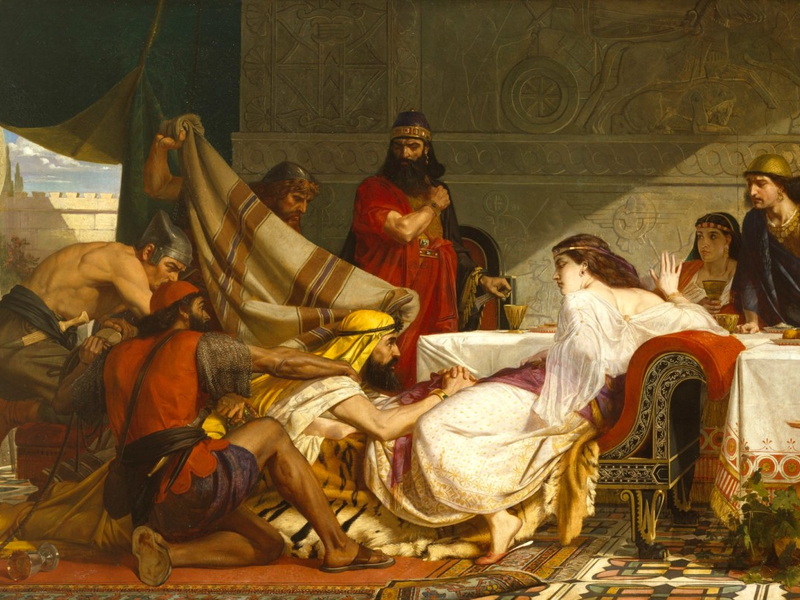
armitage-edward-the-festival-of-esther
Biblical Studies

Esther and Ruth, Grain and Fruit

1 Introduction ESTHER and RUTH are similar stories. Each details the changing fortunes of a young woman. Each begins with the protagonist in a destitute situation. The fortunes of each reverses by story’s end. Intriguing parallels exist: Scenes : The stories transition through a similar set of scenes, see Table…

by Scott FairbanksApril 29, 2021

dariusz-sankowski-abamxzlot8e-unsplash
Biblical Studies

A Hermeneutic of Riddles

Maybe this is not the best venue to reveal that I sometimes wonder about all that deep exegesis: the chiasms, the numerology, vowel modifications, the typological labyrinthes, the innumerable exodus patterns that are so often limned by Peter Leithart or James Jordan or Alastair Roberts. Maybe it’s because I am…

by John AhernApril 27, 2021
fabian-keller-kqjpiatm-om-unsplash
Culture

Building New Watchtowers

In 1923, J. Gresham Machen wrote the book he is perhaps most remembered for, “Christianity and Liberalism”. Machen wrote it to help map out the cultural currents that were impacting the church with the hope that the church could be vigilant against the dangers theological liberalism posed to historic Christianity.…

by Steve GreggApril 22, 2021
download
Matthew

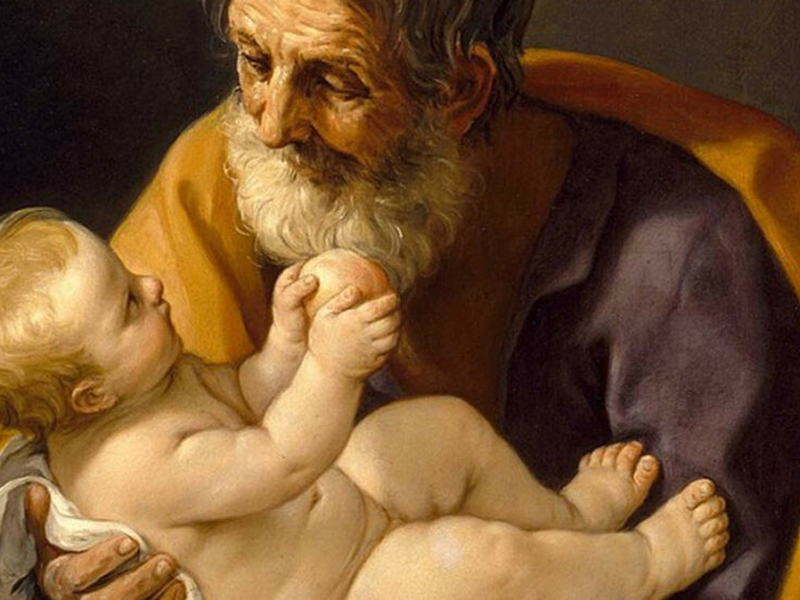
THE ANNUNCIATION TO JOSEPH | (Matthew 1:18-25)

March 25, nine months before Christmas, is the date that is often associated with the Annunciation to Mary, Gabriel’s announcement to Mary that, by the coming of the Spirit upon her, she would conceive and bear the heir to David’s throne, whose kingdom would have no end. The story is…

by John BarachApril 20, 2021
screen-shot-2021-04-14-at-8-50-22-am
Book Review

Book Review: Race and Covenant: Recovering the Religious Roots for American Reconciliation

Race and Covenant: Recovering the Religious Roots for American Reconciliation , edited by Gerald R. McDermott (Grand Rapids, MI: Acton Institute), 278 pp. A group of notable thinkers gathered to discuss biblical resources for addressing racial conflict in America in February 2019 at Samford University in Birmingham. Race and Covenant…

by Ben PetersonApril 15, 2021
beyond-creation-science-illustration
Matthew

Full Preterism’s Fatal Fractal Fracture

“Covenant Creationism,” which might be the most consistent brand of full preterism, is merely dispensationalism turned inside-out. The main cause of disputes over the interpretation of the Scriptures is the practice of interpreting texts in isolation. This applies not only to interpreting a passage without reference to other passages, but…

by Mike BullApril 13, 2021

Showing page 56 of 309

See all

Showing page 35 of 43

See all
History

Secularization of language

In a 1980 article in the Journal of the History of Ideas Margret de Grazia helpfully described what she calls the “secularization of language” that occurred during the 17th century. Her contribution is to show that the often-noted “linguistic pessimism” of the century arose from the destruction of “the traditional…

January 10, 2007

Deritualized selves

Lori Branch links the Reformation and post-Reformation attack on ritual with the formation of the Cartesian self: “the Reformation religious subject gradually became less a participant in communal, bodily ritual action, and more and more the Cartesian cogito , an individual, inward-looking possessor of knowledge drawn from evidence and analysis.…

January 10, 2007

Knowledge and Love

1 John 4:8 says that the one who does not love does not know God because God is love. This might be legitimately read as: God is love; knowing God therefore necessarily involves knowing love; therefore, the one who does not know love does not know God. But that’s not…

January 9, 2007

Savior of the World

The Son is sent to be savior of the world (1 John 4:14). And it’s only as the only-begotten Son that He can be Savior. This is true in the usual sense that Jesus is the “contact point” between God and man. But it’s also true in a more subtle…

January 9, 2007

Only begotten

John uses the phrase “only begotten” ( monogenes ) four times in his gospel (1:14, 18; 3:15, 18). (I’m assuming here the controversial point that the phrase does mean “only begotten.”) He uses it only once in his first epistle: God’s love is manifest in the fact that “God has…

January 9, 2007

Loving discernment, discerning love

Commentators sometimes suggest that 1 John 4:1-6 marks a rupture in John’s argument. 3:23 speaks of love as a commandment of God, but there is no mention of love in 4:1-6, which discusses testing the spirits and the warfare between the Spirit of God and the spirits of the world.…

January 9, 2007

Showing page 1738 of 2212

Browse by Category

In Medias Res

Your weekly digest for all things Theopolis.

Donate

Theopolis is nearly 100% donor-supported. Consider joining us on our mission.