Theopolis Logo

Writing

Explore our collection of theological essays, biblical studies, and reflections on faith and culture.

See all
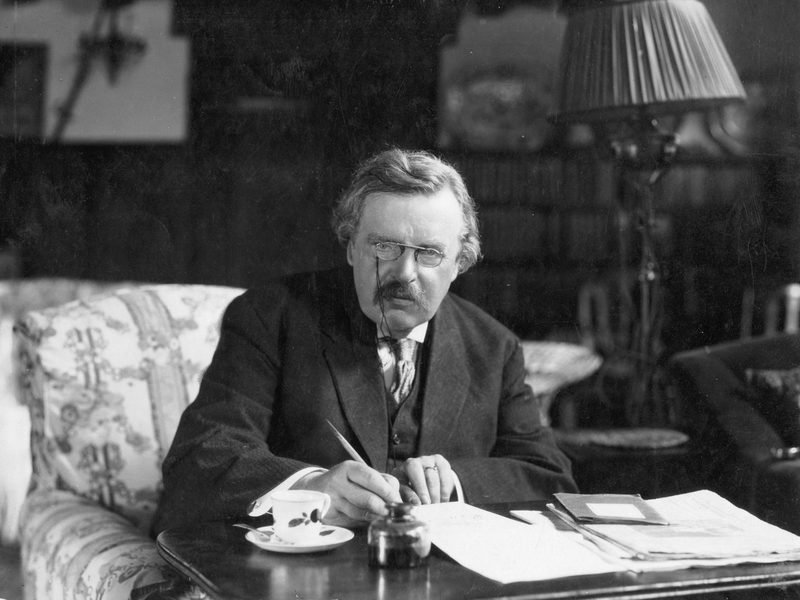
g-_k-_chesterton_at_work
Books

Interpreting "The Man Who Was Thursday"

I just finished re-reading G. K. Chesterton’s The Man Who Was Thursday . I have in the past had the temerity to say that I believe it to be the best novel of the 20th century. Be that as it may, I still maintain that it is at least one…

by Richard BledsoeJanuary 7, 2022
10779-istockgetty-images-plusredletterw
Hebrews

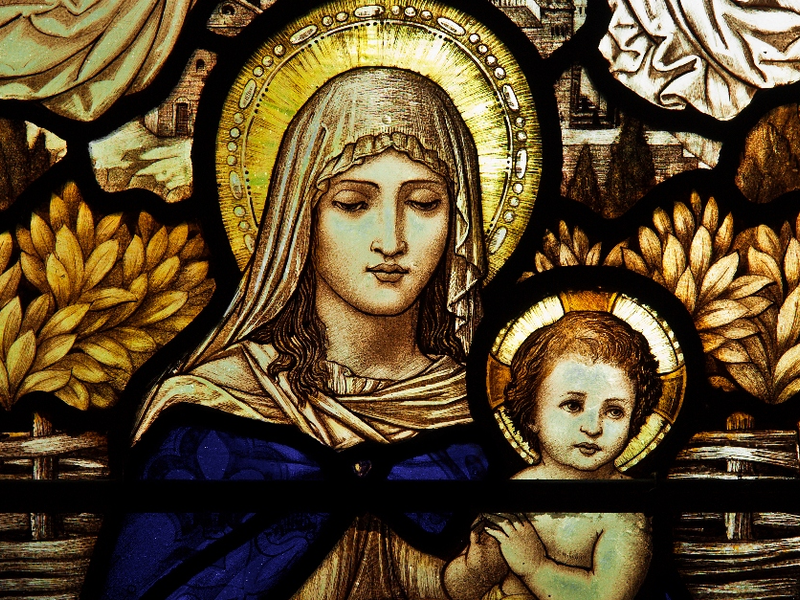
The Universality of Mary’s Wound

And Simeon blessed them and said to Mary his mother, “Behold, this child is set for the fall and rising of many in Israel, and for a sign that is spoken against and a sword will pierce through your own soul also, that thoughts out of many hearts may be…

by Garrett SoucyJanuary 4, 2022
heartierhymnals-stockimage
Music

An Argument for Heartier Hymnals

I was inspired to write this article after reading John Ahern’s The Case for Shorter Hymnals first published on Theopolis Institute’s website on November 16, 2021. Mr. Ahern and I are writing with different audiences and emphases in mind. I am thankful we both share a mutual desire to see…

by Jarrod RicheyDecember 30, 2021
tim-marshall-k2u71wv2ei4-unsplash-1
Biblical Studies

Image of God

If you’ve spent any time in the social-media galaxy of Christian cultural commentators, you have almost definitely run across the Latin phrase Imago Dei . It means image of God . Why they usually say it in Latin, I couldn’t tell you. We saw it in the wake of the…

by Daniel HoffmanDecember 28, 2021
annunciation
Advent

He Comes to Make His Blessings Known: "Son of David" and "Son of Abraham" in Matthew 1:1

The Gospel of Matthew—indeed, the New Testament—begins with a list of names, and that list of names is introduced by this heading: “The book of the generations of Jesus Christ, the son of David, the son of Abraham.” Why start like this? Why “the son of David” and “the son…

by Josh JensenDecember 23, 2021
49980-nicolas_poussin_-_the_judgment_of_solomon_-_wga18330-800w-tn
Biblical Studies

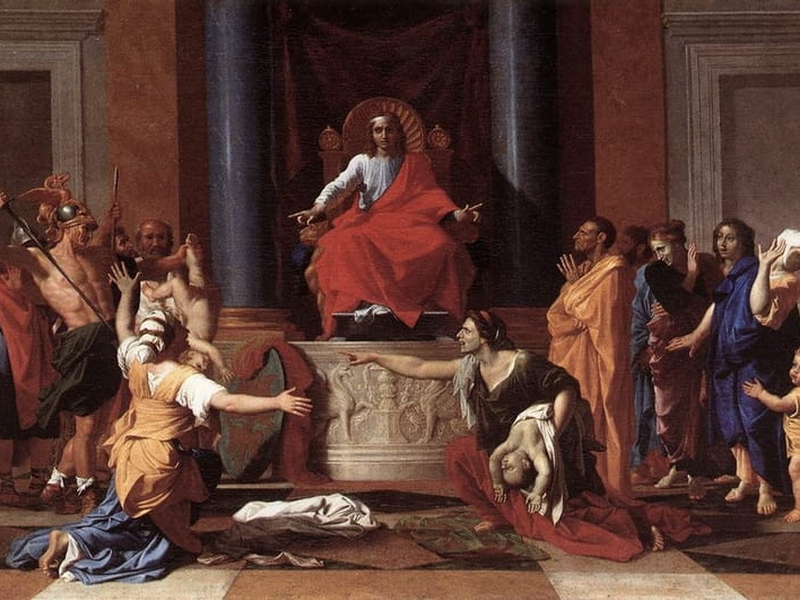
On Not Needing to Cut the Baby in Half

A blade is raised. A child wails. But the brow under the crown is untroubled. Solomon knows that the raising of the sword will reveal the true parent and the identity of the son. But how did he know this? Abraham’s willingness to sacrifice Isaac certainly bears some of the…

by Jonathan WhiteDecember 21, 2021

Showing page 48 of 309

See all

Showing page 35 of 43

See all

Ocularity and the ancients

A TLS reviewer examines what sounds like a fascinating book on Plato and Aristotle’s appropriation of “theoria” (originally referring to spectators who watch the Olympics and other festivals in a kind of “sacralized spectating”). Along the way, the reviewer comments on recent criticisms of the “spectator theory of knowledge” often…

March 6, 2006

Eucharistic meditation, first lent

2 Kings 14:25: Jeroboam restored the border of Israel from the entrance of Hamath as far as the Sea of the Arabah, according to the word of the Lord, the God of Israel, which he spoke through His servant Jonah the son of Amittai, the prophet, who was of Gath-Hepher.…

March 5, 2006

Exhortation, First Sunday of Lent

What is the cross? Originally a Persian invention, crucifixion became a Roman method of execution, reserved for slaves and for the most dangerous political criminals. Josephus described it as the “most wretched of deaths,” as a victim slowly suffocated with the weight of his own body. One writer describes crucified…

March 5, 2006
Philosophy

Beginnings

A man went searching for the beginning of the road he was traveling. He traced his footsteps back the way he had come, until he came to where he started. But the beginning of the road was not a beginning. Something lay on the far side of the road’s beginning,…

March 4, 2006
Philosophy

Foucault on man

Another discarded fragment. Perhaps the best-known of the postmodern theories of the self is that of Michel Foucault. According to Foucault, “man” is an invention of the recent past, of the modern world. Contrary to popular opinion, “man” has not been the subject of investigation since the time of the…

March 4, 2006

Bultmannian irony

Bultmann says that we moderns who can flick on electric lights cannot believe in the dichotomous anthropology of the New Testament, which distinguishes absolutely between the spiritual core of the self and the physical body. Problem is, that’s not the New Testament anthropology. In fact, it’s ironically the product of…

March 4, 2006

Showing page 1871 of 2212

Browse by Category

In Medias Res

Your weekly digest for all things Theopolis.

Donate

Theopolis is nearly 100% donor-supported. Consider joining us on our mission.