Theopolis Logo

Writing

Explore our collection of theological essays, biblical studies, and reflections on faith and culture.

See all
cloister
Democracy

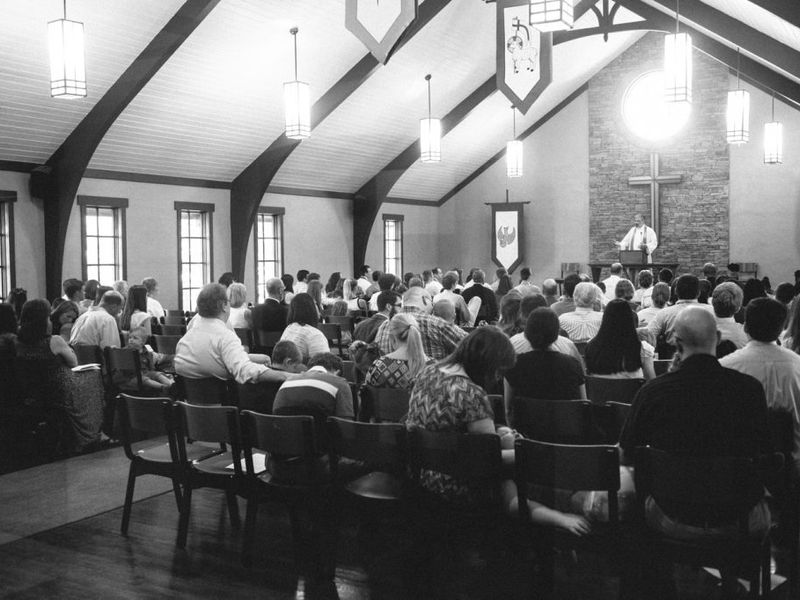
The Babylonian Unity of the Church

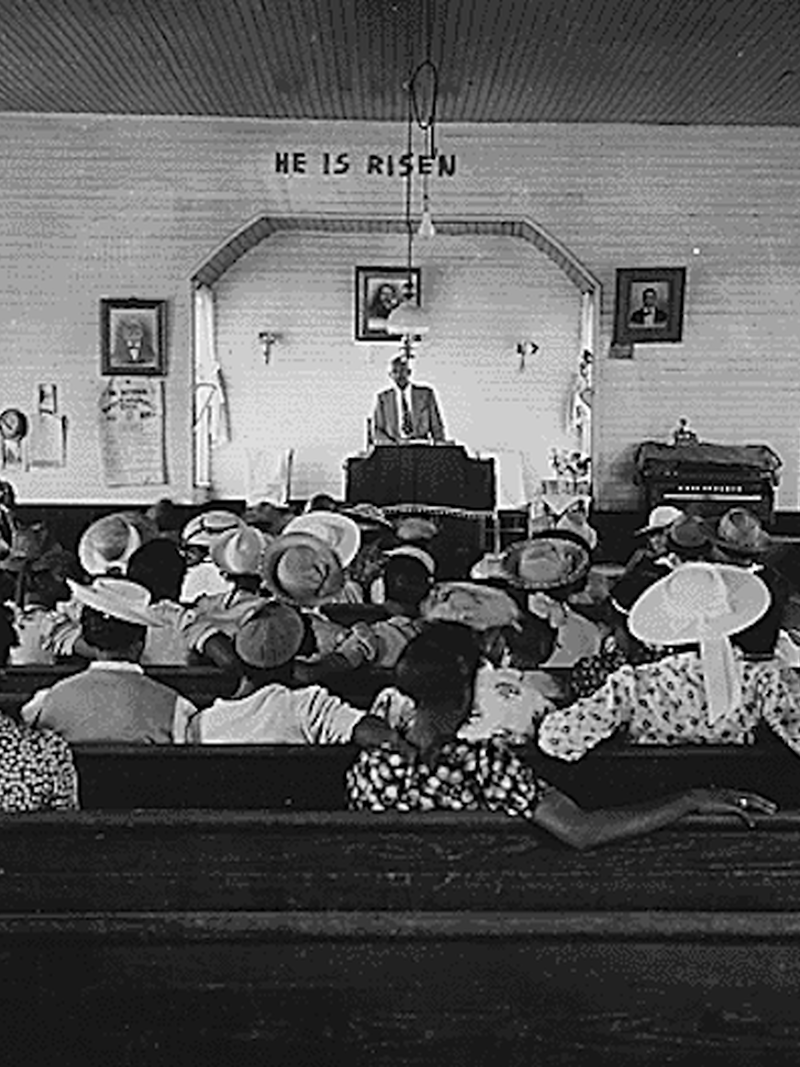
There are many legitimate reasons to lament the divided state of the church. Fleshly pride, theological hubris, sectarian rivalries are each in their own ways modern versions of the Galatian heresy, refusing table fellowship with brothers and sisters for whom Christ died. And denominations have frequently played the same role…

by Toby SumpterJune 23, 2015
img_0166
Theopolis News

Bogumil Jarmulak

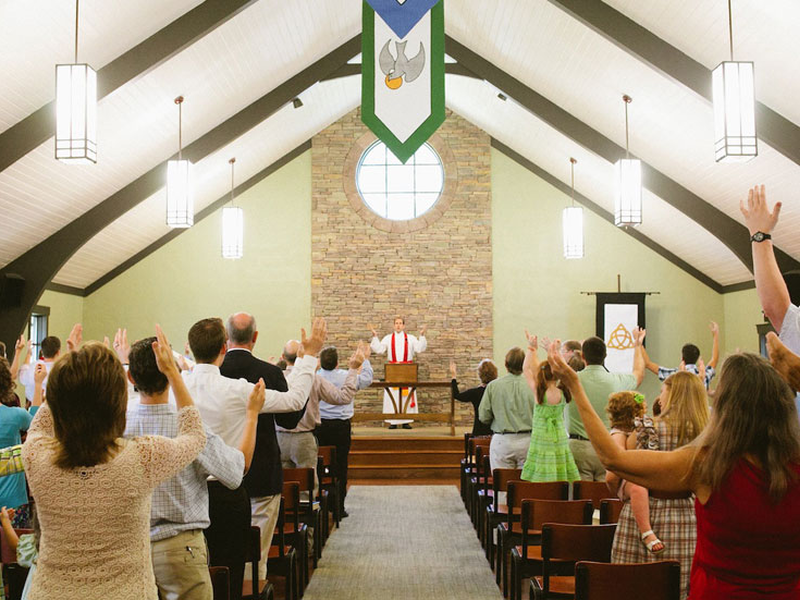
Though Bogumil Jarmulak was not able to deliver his lectures on Jurgen Moltmann due to flight delays, he preached at Trinity Presbyterian Church on Sunday morning, June 14. He encouraged the church in how to deal with misery in this life, and pointed them to their only hope in life…

by Brian MoatsJune 18, 2015
img_6328
History

Christians, Liturgy, and the Past, 2

Connecting with the past within the present is a complicated endeavor. One of the most immediate challenges facing us is that of ensuring that, as Christians, our use of the past is undertaken in service of present faithfulness. The past is not a realm to which we retreat, but a…

by Alastair RobertsJune 18, 2015
img_6538-2
Theopolis News

Letter From Peter Leithart

Dear friend of Theopolis, Before he attended the Theopolis course on Holistic Mission during Easter term, 2014, Jonathan Sedlak lived with his family in the quiet, comfortable Milwau­kee suburb of Slinger, Wisconsin. An intensive week in Birmingham changed all that. Listening to missionary Wes Baker and hashing over readings and…

by TheopolisJune 16, 2015
bauhaus
Architecture

The Crystalline Vision: Bauhaus and the Bible

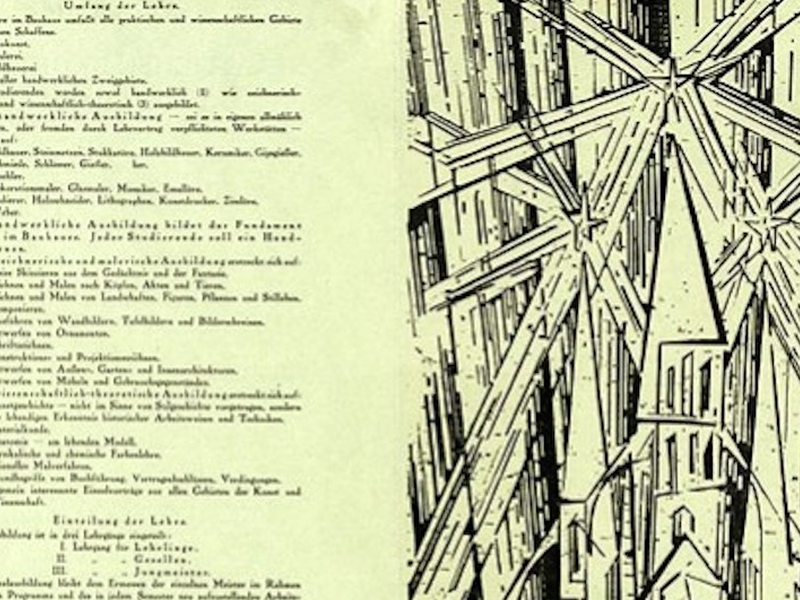
“What is in the nature of these materials?” The Bauhaus, founded in Germany in 1919 by architect Walter Gropius, had a profound influence in every area of design, from graphics and typography to clothing, furniture and architecture. The institution was not so much a style as a method, its philosophy…

by Mike BullJune 11, 2015
samuel-branch-zpvisr0s_hq-unsplash
Books

The American Way of Being Church

​Russell Richey's ​Denominationalism collects some of the most important essays on its titled topic. The authors are a who's-who of 20th century American religious history: Winthrop Hudson, Timothy L. Smith, Sidney Mead, Richey himself, H. Richard Niebuhr and Martin Marty. Some are broad synthetic studies; others are more granular studies…

by Peter LeithartJune 10, 2015

Showing page 151 of 309

See all

Showing page 35 of 43

See all

New Face for the World

R owan Williams ( Sign and Sacrifice ) summarizes the Anselmian understanding of the atonement using the categories of sacrifice, obedience, and gift, all set within a Trinitarian frame. It's quite lovely. Citing Hebrews citing Psalm 40, Williams argues that the Old Testament sacrificial system existed to symbolize the true…

February 28, 2017

At the Parbar

D escribing the assignments of Levite gatekeepers, the Chronicler records that there were four at the “highway” at the western end of the temple, and two “at the Parbar,” which was also on the west (1 Chronicles 26:18). Scholars have proposed a variety of foreign etymologies for the term. From…

February 27, 2017
Architecture

How To Read Churches

D enis McNamara's How To Read Churches is an extraordinary book. Subtitled “a crash course in ecclesiastical architecture,” it covers building types, floor plans, sections of churches (nave, apse, choir), materials, windows, altars, ornaments in 256, 6 x 6-inch pages, each of which is stuffed with pictures and diagrams and…

February 24, 2017

Undemocratic Education

J ohn Milbank cites what he calls “Socrates's subversive realization” that “education can never be democratic” ( Being Reconciled , 182). This is in part because “the sheer singular uniqueness and contingency of wisdom is unable to subordinate itself to any majority,” partly because “if one is to learn, one…

February 24, 2017

Irrationality and Intellectual Flaws

T hrough a series of thought experiments, Richard Foley ( Intellectual Trust in Oneself and Others ) develops a concept of rationality as “a matter of making oneself invulnerable to intellectual self-criticism to the extent possible, of living up to one’s own deepest intellectual convictions and standards.” Rationality thus “requires…

February 24, 2017

Lockean Individualism

F ollowing Alvin Platinga, Richard Foley summarizes the principles of Locke's epistemology in three principles ( Intellectual Trust in Oneself and Others ): Evidence (the “obligation to base one's opinion on one's evidence,” the latter defined as “what one knows with certainty”); appraisal (the obligation “to appraise the probability of…

February 24, 2017

Showing page 202 of 2212

Browse by Category

In Medias Res

Your weekly digest for all things Theopolis.

Donate

Theopolis is nearly 100% donor-supported. Consider joining us on our mission.