Theopolis Logo

Writing

Explore our collection of theological essays, biblical studies, and reflections on faith and culture.

See all
cloister

Gatekeepers

1 Chronicles 9:1 seems to bring the genealogies of 1 Chronicles to an end. The Chronicler has recorded the genealogy of the human race from Adam, focusing on the descendants of Abraham through Jacob. Summing it all up, he says, “So all Israel was enrolled by genealogies; and behold, they…

by Peter LeithartJune 21, 2016
trinity-1-2
Trinity

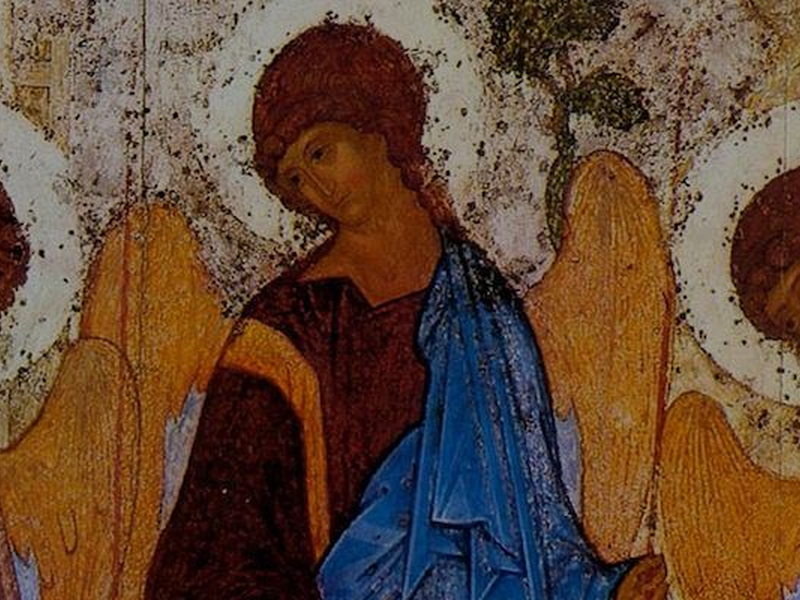
Are the Divine Persons Persons?

The “personalist” understanding of the Trinity, articulated most influentially in the work of John Zizioulas, has fallen on hard times. Recent scholars have attacked Zizioulas’s idea that Cappadocian Trinitarianism represented an ontological revolution, hammering on the distinction between divine and human personhood. Michel Barnes’s conclusion is the most drastic of…

by Peter LeithartJune 16, 2016
img_4660-2
Architecture

On Biblical Theology

Biblical Theology is often defined as the historical unfolding of God’s revelation, or of God’s revelation and of the history of his covenantal redemption and transformation of humanity and the world. In practice, Biblical Theology is usually broader than this, and also includes the study of literary structure and of…

by James B. JordanJune 14, 2016
laughing_statue_by_xxbobbiie-d5f0meh-2
Humor

Wise Laughter

We are made to be happy. Created to enter into the eternal joy of God, our whole being inclines to that end, but the fallen world has put forth barriers and by our own sin we bar ourselves from that endless delight, and death blinds us to that reality. Yet…

by Remy WilkinsJune 7, 2016
img_7664
Liturgy

Why Theopolis? Take Two

At the end of Revelation, John sees the heavenly city descending to earth. The city shines with the brilliance of God's glory, which lightens the nations, so that kings bring their glory to the city. This is not a vision of the final new heaven and new earth. It's a…

by Peter LeithartJune 2, 2016
trinity-1-2
Attributes of God

How Can We Talk About God?

“No one has ever seen God,” writes John (John 1:18). If this is the case, then how can we speak about God? Some people say we actually cannot. Or at least we cannot speak about God positively, i.e. who He is. We can only say who or what God is…

by Bogumil JarmulakMay 31, 2016

Showing page 130 of 309

See all

Showing page 35 of 43

See all

Shopping

The Winter 2004 issue of The Wilson Quarterly has several intriguing articles on shopping and the institution of the shopping mall. The articles cover the rise of the shopping, consumer culture; the strategies behind the arrangement of various departments of a mall store; and moral concerns with materialism and hedonism.…

March 10, 2004
Theology

Christianity and the Religions

A review of a new history of modernity in the TLS raises a number of intriguing questions. The author of the volume claims that the age of nations is over, and that history writing has to catch up. History writing is still too much stuck in the rapidly vanishing world…

March 9, 2004
Literature

Milton’s Satan

A student points out a weakness in Stanley Fish ‘s reader-response treatment of Milton’s Satan, the notion that Milton deliberately makes Satan attractive and powerful not because Milton is of the devil’s party but because he is trying to run the reader through the same experience of temptation that Adam…

March 9, 2004
Literature

Milton’s Satan

A student points out a weakness in Stanley Fish ‘s reader-response treatment of Milton’s Satan, the notion that Milton deliberately makes Satan attractive and powerful not because Milton is of the devil’s party but because he is trying to run the reader through the same experience of temptation that Adam…

March 9, 2004
Literature

Short Story: The Accidental Ecumenist

I. Sir Reginald Piddleby-Squeak was in a pickle. The pickle he was in was no ordinary pickle, but a pickle of the most unusual size and sourness, a pickle from which he had no prospects of being rapidly extracted. He expected at any moment that he would begin turning green…

March 6, 2004
Literature

Essay: Introduction to Julius Caesar

Introduction Elizabethans viewed Rome through two historical lenses. On the one hand, Rome was for Elizabethans the great civilization of antiquity. They knew less of Greece than we do, and almost nothing of ancient Egypt or Babylon, much less China. When they traced their cultural genealogy, they traced it back…

March 6, 2004

Showing page 2113 of 2212

Browse by Category

In Medias Res

Your weekly digest for all things Theopolis.

Donate

Theopolis is nearly 100% donor-supported. Consider joining us on our mission.