Theopolis Logo

Writing

Explore our collection of theological essays, biblical studies, and reflections on faith and culture.

See all
cloister

Gatekeepers

1 Chronicles 9:1 seems to bring the genealogies of 1 Chronicles to an end. The Chronicler has recorded the genealogy of the human race from Adam, focusing on the descendants of Abraham through Jacob. Summing it all up, he says, “So all Israel was enrolled by genealogies; and behold, they…

by Peter LeithartJune 21, 2016
trinity-1-2
Trinity

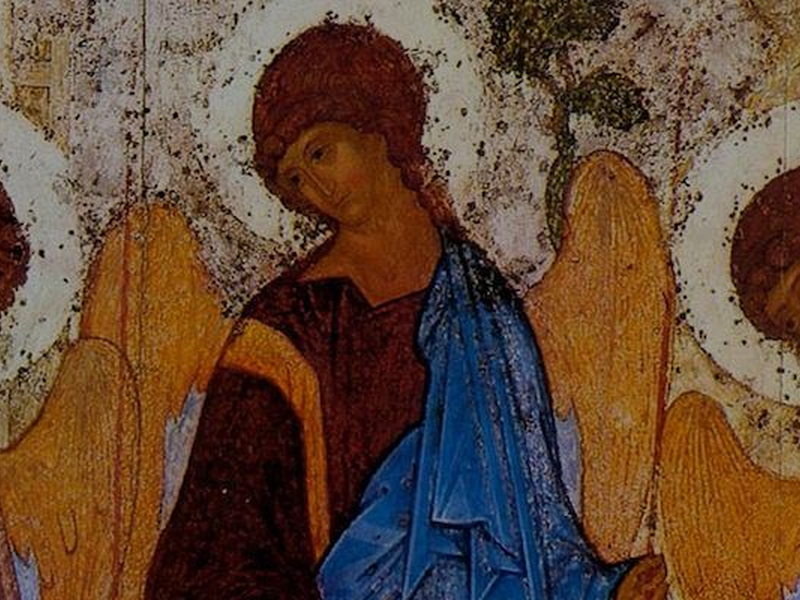
Are the Divine Persons Persons?

The “personalist” understanding of the Trinity, articulated most influentially in the work of John Zizioulas, has fallen on hard times. Recent scholars have attacked Zizioulas’s idea that Cappadocian Trinitarianism represented an ontological revolution, hammering on the distinction between divine and human personhood. Michel Barnes’s conclusion is the most drastic of…

by Peter LeithartJune 16, 2016
img_4660-2
Architecture

On Biblical Theology

Biblical Theology is often defined as the historical unfolding of God’s revelation, or of God’s revelation and of the history of his covenantal redemption and transformation of humanity and the world. In practice, Biblical Theology is usually broader than this, and also includes the study of literary structure and of…

by James B. JordanJune 14, 2016
laughing_statue_by_xxbobbiie-d5f0meh-2
Humor

Wise Laughter

We are made to be happy. Created to enter into the eternal joy of God, our whole being inclines to that end, but the fallen world has put forth barriers and by our own sin we bar ourselves from that endless delight, and death blinds us to that reality. Yet…

by Remy WilkinsJune 7, 2016
img_7664
Liturgy

Why Theopolis? Take Two

At the end of Revelation, John sees the heavenly city descending to earth. The city shines with the brilliance of God's glory, which lightens the nations, so that kings bring their glory to the city. This is not a vision of the final new heaven and new earth. It's a…

by Peter LeithartJune 2, 2016
trinity-1-2
Attributes of God

How Can We Talk About God?

“No one has ever seen God,” writes John (John 1:18). If this is the case, then how can we speak about God? Some people say we actually cannot. Or at least we cannot speak about God positively, i.e. who He is. We can only say who or what God is…

by Bogumil JarmulakMay 31, 2016

Showing page 130 of 309

See all

Showing page 35 of 43

See all

House of Wisdom

1 Chronicles 22 records a lengthy speech from David to his son Solomon. The very setup suggests an analogy with the book of Proverbs, in which Solomon gives instructions to his son the prince. For the Chronicler, Solomon learned to teach wisdom by receiving it from David. That formal hint…

December 1, 2016

Sources of Apocalyptic

I n his 1892 Lectures on the Apocalypse (29–30), William Milligan argues that “the symbolism of the Revelation is wholly and exclusively Jewish.” He illustrates: Even “the crown of life” in chap. i. 10 is not the wreath of the victor in the Grecian games, but the Hebrew crown of…

December 1, 2016

Limits of Pen and Tongue

S hakespeare's Sonnet 103 laments the limits of language to capture the thing it describes. “Look in your glass,” the poet says, and you will see a face that overwhelms “my blunt invention quite.” The reality dulls the poet’s lines and disgraces him. And it would be a sin to…

November 30, 2016

Church With Soul of America?

The paragraphs below are taken, with slight changes, from a column I wrote at Firstthings.com in July 2015. The questions are even more pressing since Trump's election. I mmigration has always roiled under the surface of American politics. It’s the price of being America, a land subdued by outcasts and…

November 30, 2016

A House by and for Nations

A fter David sinfully takes a census of Israel (1 Chronicles 21), the threshing site where he builds the altar that arrests the plague becomes the temple site (1 Chronicles 22:1). David begins preparations for the temple. First, he gathers the “strangers” (Heb. ger ), non-Israelite residents of the land…

November 29, 2016

Love Well What You Leave

S hakespeare's Sonnet 73 embodies the excessiveness of poetry. It’s possible to summarize the poem in a brief statement: “I’m getting old. I'll die. Love me while you can.” Why so belabor the point? One effect of belaboring through fourteen lines of iambic pentameter is to link aging with cosmic…

November 29, 2016

Showing page 228 of 2212

Browse by Category

In Medias Res

Your weekly digest for all things Theopolis.

Donate

Theopolis is nearly 100% donor-supported. Consider joining us on our mission.