Theopolis Logo

Writing

Explore our collection of theological essays, biblical studies, and reflections on faith and culture.

See all
cloister

Gatekeepers

1 Chronicles 9:1 seems to bring the genealogies of 1 Chronicles to an end. The Chronicler has recorded the genealogy of the human race from Adam, focusing on the descendants of Abraham through Jacob. Summing it all up, he says, “So all Israel was enrolled by genealogies; and behold, they…

by Peter LeithartJune 21, 2016
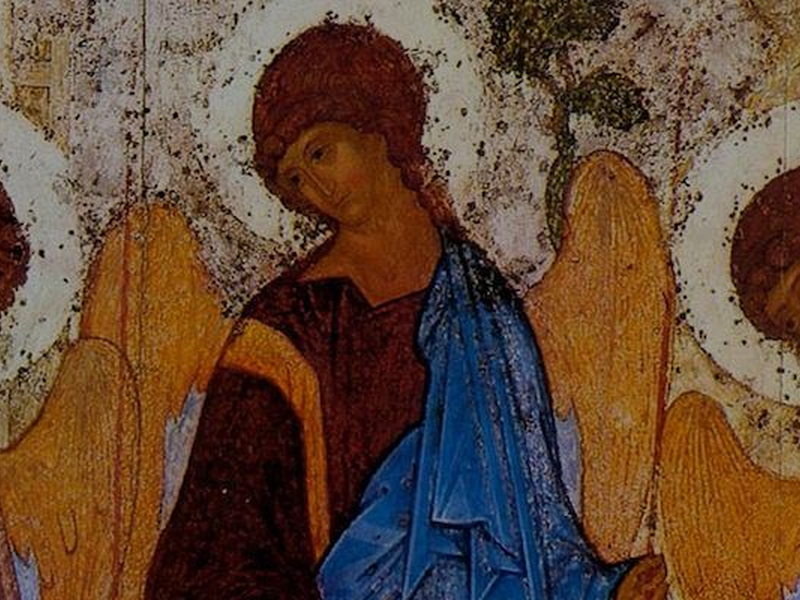
trinity-1-2
Trinity

Are the Divine Persons Persons?

The “personalist” understanding of the Trinity, articulated most influentially in the work of John Zizioulas, has fallen on hard times. Recent scholars have attacked Zizioulas’s idea that Cappadocian Trinitarianism represented an ontological revolution, hammering on the distinction between divine and human personhood. Michel Barnes’s conclusion is the most drastic of…

by Peter LeithartJune 16, 2016
img_4660-2
Architecture

On Biblical Theology

Biblical Theology is often defined as the historical unfolding of God’s revelation, or of God’s revelation and of the history of his covenantal redemption and transformation of humanity and the world. In practice, Biblical Theology is usually broader than this, and also includes the study of literary structure and of…

by James B. JordanJune 14, 2016
laughing_statue_by_xxbobbiie-d5f0meh-2
Humor

Wise Laughter

We are made to be happy. Created to enter into the eternal joy of God, our whole being inclines to that end, but the fallen world has put forth barriers and by our own sin we bar ourselves from that endless delight, and death blinds us to that reality. Yet…

by Remy WilkinsJune 7, 2016
img_7664
Liturgy

Why Theopolis? Take Two

At the end of Revelation, John sees the heavenly city descending to earth. The city shines with the brilliance of God's glory, which lightens the nations, so that kings bring their glory to the city. This is not a vision of the final new heaven and new earth. It's a…

by Peter LeithartJune 2, 2016
trinity-1-2
Attributes of God

How Can We Talk About God?

“No one has ever seen God,” writes John (John 1:18). If this is the case, then how can we speak about God? Some people say we actually cannot. Or at least we cannot speak about God positively, i.e. who He is. We can only say who or what God is…

by Bogumil JarmulakMay 31, 2016

Showing page 130 of 309

See all

Showing page 35 of 43

See all

Protest and its Limits

N o American needs to be told that it’s been a tumultuous, often bewildering, political season. Democrats were rocked from the left by an aging socialist; the GOP has been taken over by a politically inexperienced showman. Clearly, the natives are restless. About what? What do Trump supporters want? What…

October 11, 2016

The Amen of Action

Y ahweh promises David an enduring house. David doesn’t take it for granted, but immediately asks the Lord to keep His word (1 Chronicles 17:23). Given a promise of God, David doesn’t merely wait for it to be fulfilled. He turns the promise to prayer. The prayer has a neat…

October 10, 2016
Science

Nature Without Us

I n his The Territories of Science and Religion , Peter Harrison gives examples of the shift that took place in the understanding of the natural world. It was a shift from a “symbolic” understanding of the natural world to a utilitarian and mathematical one. He lists some titles that…

October 7, 2016

Ranking Arnie

H ow do you rank the best golfers? Tallying up the wins doesn’t tell the whole story. The quality of the competition matters, as do the number of golfers in a tournament. Using a variety of complicated metrics, the Economist ranked the late Arnold Palmer among the greats of golf…

October 7, 2016

Christianity’s Lost World

W riting in Christianity Today , Timothy C. Morgan reports on an archeological discovery in Kazakhstan, a few dozen miles from the border with China: “A team of archaeologists uncovered seven Christian gravestones late this summer in the ancient Silk Road city of Ilyn Balik near the Kazakhstan-China border. The…

October 7, 2016

On the Uses of Tardigrades

J ohn Crowe of the University of California, Davis, may not have built molecular engines, but he’s been up to some cool stuff over the past forty years. He’s been working with “water bears,” more technically “tardigrades,” described in a profile of the scientist a “speck-sized organisms that can dry…

October 7, 2016

Showing page 245 of 2212

Browse by Category

In Medias Res

Your weekly digest for all things Theopolis.

Donate

Theopolis is nearly 100% donor-supported. Consider joining us on our mission.