Theopolis Logo

Writing

Explore our collection of theological essays, biblical studies, and reflections on faith and culture.

See all
little-girl
Children

Honor God With Your Body

I am making a new rule in our house! We are actually kind of skimpy on the house rules. I try very hard to keep things simple: love God, love others, be joyful. It’s not complicated to avoid discipline here. But I have found myself repeating this new rule over…

by Lindsey TollefsonApril 9, 2015
giotto-noli-me-3
John

The Gardener and the Beloved, (Part 3)

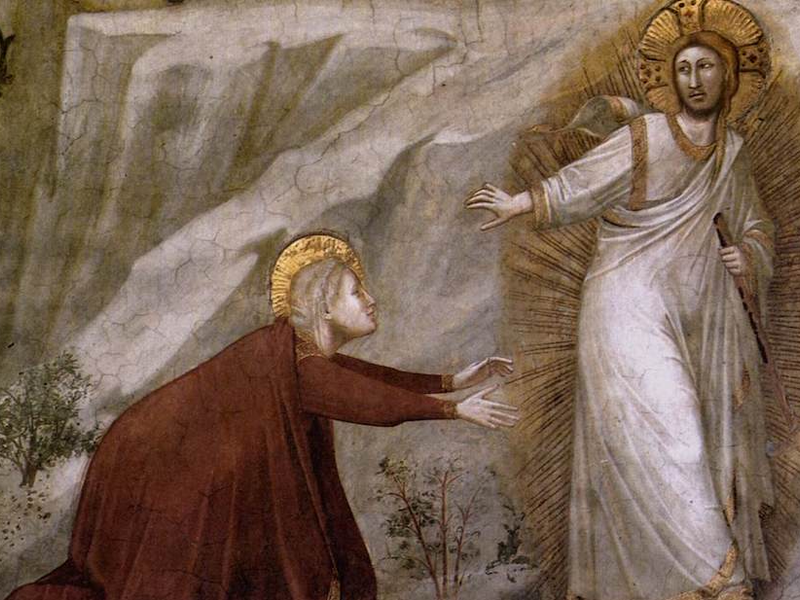
Click HERE for Part 2 The voice of Jesus transforms and changes Mary when she hears him speak her name. This is her last “turning.” So also the woman in the Song of Songs longs to hear the voice of her beloved. Let me see your face, let me hear…

by Jeff MeyersApril 6, 2015
giotto-noli-me-2
John

The Gardener and the Beloved, (Part 2)

Click HERE for Part 1. The details of this story call the attentive reader back to the drama of Solomon’s Song of Songs. And the Song of Song’s alludes to, ties us into the story of Adam and Eve in the Garden and the promise of a coming Messiah that…

by Jeff MeyersApril 4, 2015
easter-term-2015-2
Theopolis News

Easter Term, 2015

“The course was a paradigm shift for me,” said Jonathan Sedlak, a Milwaukee electrical contractor who attended Theopolis’s course on Revelation. “I am left with a book that is far more practical than it has ever seemed before.” Jonathan Anderson of Louisville, Kentucky found the course “refreshing.” “I finished with…

by TheopolisApril 2, 2015
psalm-singing
Genesis

Worship as Response: Liturgical Logic, (Part 1)

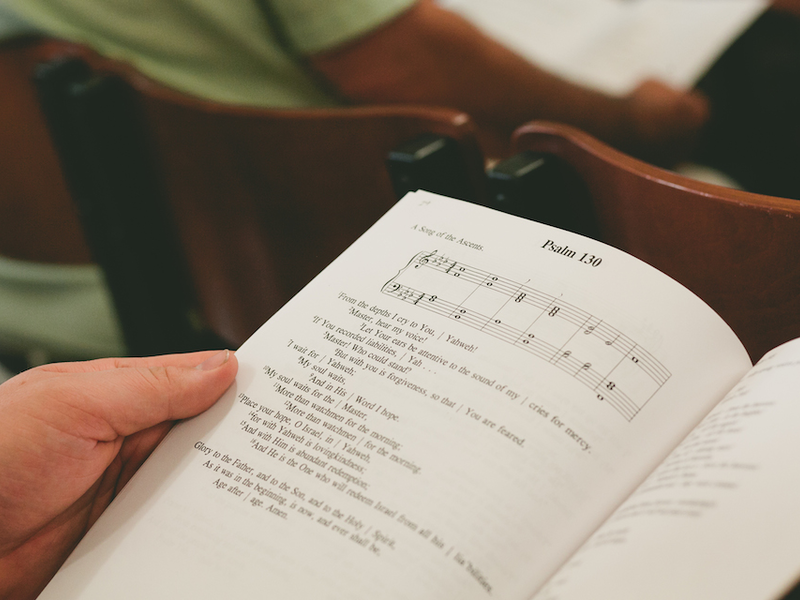
“It is only by participation in a rational, practice-based community that one becomes rational.” – Alasdair MacIntyre It may be perfectly clear to a chef why adding unsifted powdered sugar to a hot frosting is a bad idea. But for an amateur cook, this may be the kind of rule…

by Jonathan BarlowApril 2, 2015
giotto-noli-me
John

The Gardener and the Beloved, (Part 1)

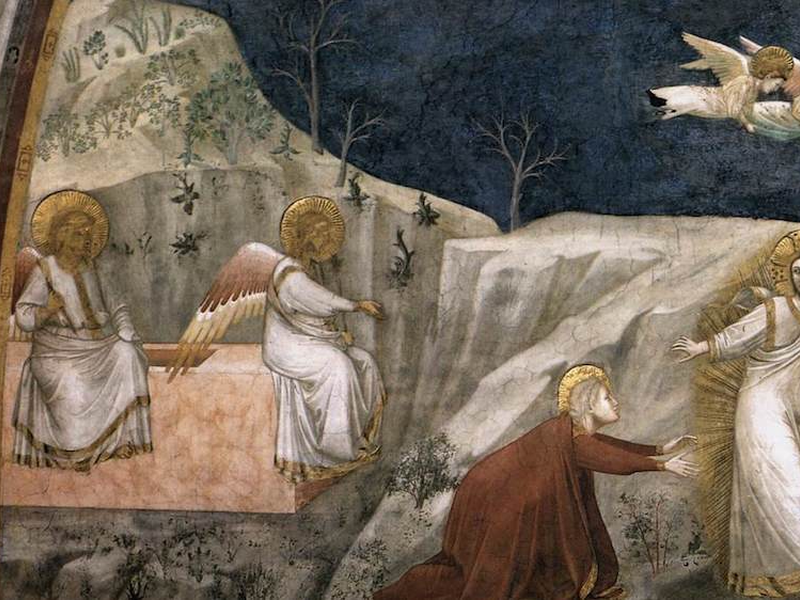
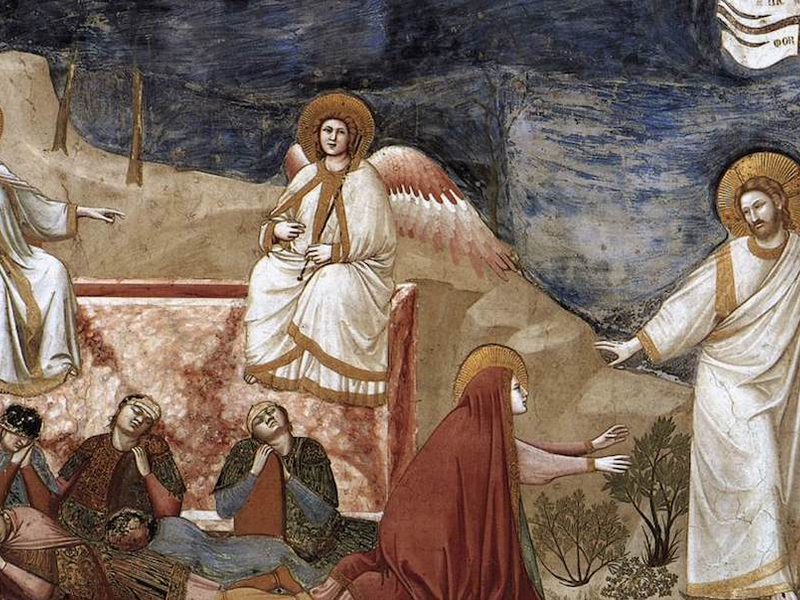
On a fresco in a chapel in Padua, Italy, there is a famous painting depicting the dramatic post-resurrection scene in John 20 with Mary and Jesus outside of the garden tomb. Giotto di Bondone painted it in the early 14th century. Jesus is striding from the tomb with a victor’s…

by Jeff MeyersApril 1, 2015

Showing page 156 of 309

See all

Showing page 35 of 43

See all

Death and Resurrection in 1 Chronicles 2

1 Chronicles 2 begins with a list of the sons of Israel, organized not in birth order but by mother. It is chiastically arranged to place Rachel's sons at the center: A. 6 sons of Leah B. 1 son of Bihah, Rachel's maid (Dan) C. 2 sons of Rachel (Joseph,…

March 2, 2016

Rage Against the Machine

Camille Paglia nails the reason for the unlikely rise of Bernie-mania. It's a strike against the “soulless juggernaut”: “A vote for Bernie Sanders is a vote against the machine, the obscenely money-mad and soulless juggernaut that the Democratic Party has become. Perhaps there was a time, during the Hubert Humphrey…

March 2, 2016

Heroes and Hero Worship

In Heroes and Hero-Worship , Thomas Carlyle argues that hero-worship is the source of all religion, including Christianity, the form of all loyalty and faith, the foundation of human society. All ranks, he says, “are what we may call a Hero archy (Government of Heroes)—or a Hierarchy, for it is…

March 2, 2016

Wilderness Sins

In his typological reading of the exodus (1 Corinthians 10), Paul warns the Corinthians not to commit the sins that their fathers committed in the wilderness, specifically idolatry and sexual immorality. By these, and by their grumbling, the Israelites tested the Lord and provoked His anger. These are the same…

March 1, 2016

Three Forms of Tyranny

Tyranny is a constant in human history, argues Waller Newell in his forthcoming Tyrants . But the character of tyranny is not constant. Newell analyzes three forms of tyranny. The first is the “garden-variety” tyrant, most common in the ancient world: “These are basically men who dispose of an entire…

March 1, 2016

2-3-74

During February and March of 1974, science fiction writer Philip K. Dick experienced a series of mystical revelations. The source was an entity known as “Zebra,” which revealed that time had stopped back in the mid first-century and that all time since had been an illusion. Guided by Zebra, Dick…

March 1, 2016

Showing page 315 of 2212

Browse by Category

In Medias Res

Your weekly digest for all things Theopolis.

Donate

Theopolis is nearly 100% donor-supported. Consider joining us on our mission.