Theopolis Logo

Writing

Explore our collection of theological essays, biblical studies, and reflections on faith and culture.

See all
cloister

Gatekeepers

1 Chronicles 9:1 seems to bring the genealogies of 1 Chronicles to an end. The Chronicler has recorded the genealogy of the human race from Adam, focusing on the descendants of Abraham through Jacob. Summing it all up, he says, “So all Israel was enrolled by genealogies; and behold, they…

by Peter LeithartJune 21, 2016
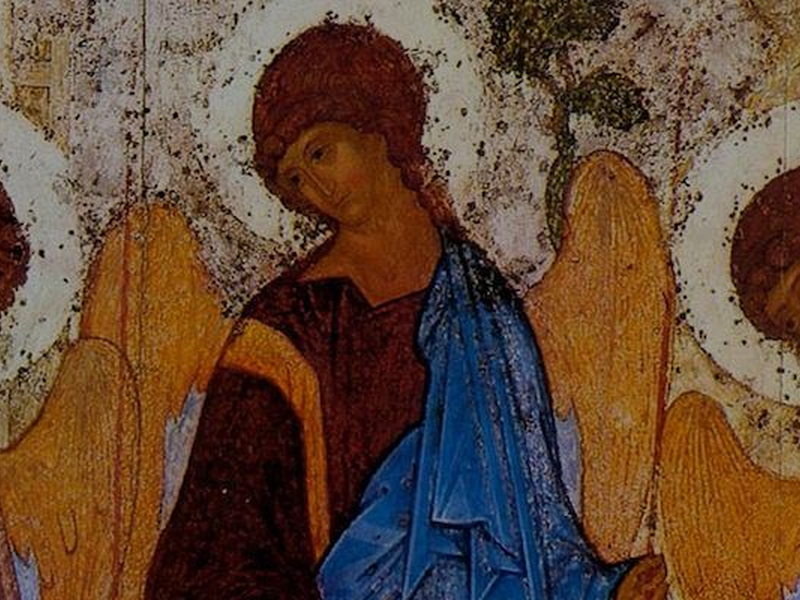
trinity-1-2
Trinity

Are the Divine Persons Persons?

The “personalist” understanding of the Trinity, articulated most influentially in the work of John Zizioulas, has fallen on hard times. Recent scholars have attacked Zizioulas’s idea that Cappadocian Trinitarianism represented an ontological revolution, hammering on the distinction between divine and human personhood. Michel Barnes’s conclusion is the most drastic of…

by Peter LeithartJune 16, 2016
img_4660-2
Architecture

On Biblical Theology

Biblical Theology is often defined as the historical unfolding of God’s revelation, or of God’s revelation and of the history of his covenantal redemption and transformation of humanity and the world. In practice, Biblical Theology is usually broader than this, and also includes the study of literary structure and of…

by James B. JordanJune 14, 2016
laughing_statue_by_xxbobbiie-d5f0meh-2
Humor

Wise Laughter

We are made to be happy. Created to enter into the eternal joy of God, our whole being inclines to that end, but the fallen world has put forth barriers and by our own sin we bar ourselves from that endless delight, and death blinds us to that reality. Yet…

by Remy WilkinsJune 7, 2016
img_7664
Liturgy

Why Theopolis? Take Two

At the end of Revelation, John sees the heavenly city descending to earth. The city shines with the brilliance of God's glory, which lightens the nations, so that kings bring their glory to the city. This is not a vision of the final new heaven and new earth. It's a…

by Peter LeithartJune 2, 2016
trinity-1-2
Attributes of God

How Can We Talk About God?

“No one has ever seen God,” writes John (John 1:18). If this is the case, then how can we speak about God? Some people say we actually cannot. Or at least we cannot speak about God positively, i.e. who He is. We can only say who or what God is…

by Bogumil JarmulakMay 31, 2016

Showing page 130 of 309

See all

Showing page 35 of 43

See all

Belief in the Academy

In a spirited reply to Philip Davies' Whose Bible Is It Anyway? , Francis Watson takes aim at Davies “call for a strict separation between theological and academic modes of biblical interpretation” (3). Davies complains that believers study the Bible according to an insider approach (emic), while academic scholarship requires…

October 16, 2015
Jane Austen

Austen's Silent Characters

Jane Austen “did things with characerisation, with dialogue, with English sentences, that had never been done before,” writes John Mullan in What Matters in Jane Austen? (p. 2). That she wrote novels is not surprising. That she wrote in such utter isolation is more so. That she wrote with such…

October 15, 2015

Infant Faith

According to Kimberly Hope Belcher ( Efficacious Engagement , 77), “Augustine seems to have been the first commentator on baptism to seriously consider whether the rites of initiation he knew, which were used for both adults and children, applied equally well to both.” He concluded that they did apply, and…

October 15, 2015

Philosophical Luther

Brian Gregor's A Philosophical Anthropology of the Cross isn't “a specifically Lutheran anthropology,” but Gregor does think Luther “demands philosophical attention.” Luther influenced Kant, Hegel, Kierkegaard, and Heidegger, and these influenced Ricoeur and Bonhoeffer. Post-Heideggerian Lutheran theology also, of course, bears the marks of Luther's influence (8-9). Gregor's book is…

October 15, 2015

Helping Without Hurting

Steve Corbett and Brian Fikkert's Helping Without Hurting in Church Benevolence is a handbook to help churches give aid to low-income people. It explains how to create a policy and philosophy of benevolence, how to build the church's capacity, and offers training scenarios, questionnaires and lots of lists. It truly…

October 15, 2015

Unthought Axiomatics

Derrida is old hat these days, but he's still a thinker worth wrestling with, worthy of better than the dismissal he often gets from some writers. His deconstructive techniques can be put into the service of theology. In his crucial essay, “Plato's Pharmacy” he offers what he describes as a…

October 14, 2015

Showing page 363 of 2212

Browse by Category

In Medias Res

Your weekly digest for all things Theopolis.

Donate

Theopolis is nearly 100% donor-supported. Consider joining us on our mission.