Theopolis Logo

Writing

Explore our collection of theological essays, biblical studies, and reflections on faith and culture.

See all
screenshot-2024-06-06-at-8-49-49-am
Biblical Theology

Incarnation, Church, & the New Heart

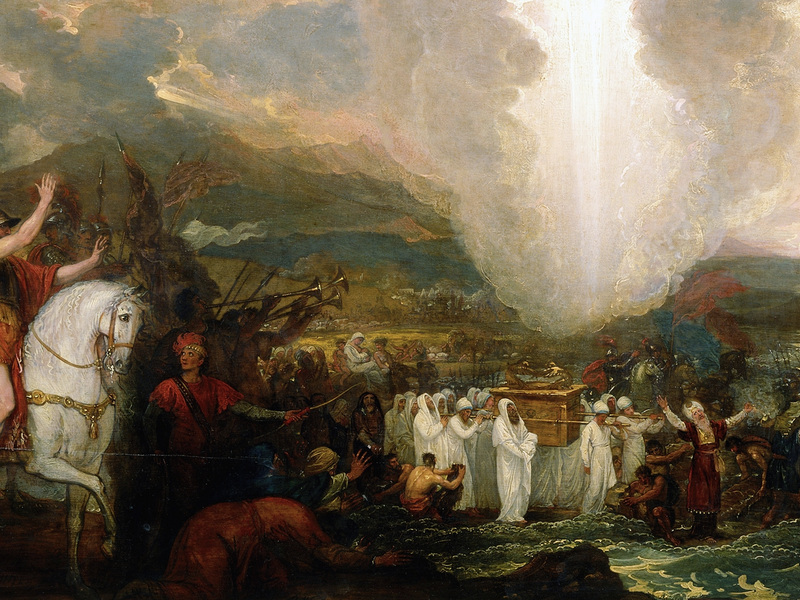
“And it shall be in those days when you are multiplied and increased in the land,” declares the Lord, “they shall say no more, ‘The Ark of the Covenant of the Lord.’ And it shall not come to mind, nor shall they remember it, nor shall they miss it, nor…

by Mark HorneJune 6, 2004
e99a4713
Grace

Grace & Justice in Unexpected Places

Elsewhere, I have argued that there is grace in the so-called covenant of works (see, e.g., my colloquium essay, “A Response to ‘The Biblical Plan of Salvation,’” in The Auburn Avenue Theology: Pros and Cons , edited by Calvin Beisner (pages 118-148). It may be equally surprising to find justice…

by Rich LuskJune 6, 2004
amjd-rdwan-erymmvvsy1y-unsplash-1
Theologia

Trust & Obey

Years ago, as a layman, I had the privilege of attending a Bible study led by a gifted teacher. His story was interesting: back when he was a student he had been severely sanctioned for affirming that one must repent in order to be saved, that one must trust Jesus…

by Mark HorneJune 5, 2004
daniel-born-yw_qx-i8ln4-unsplash
Theologia

The World is Built on Faith

Believing that God really exists Defining “faith” is sometimes made too complicated. The theologian, Louis Berkhof, for example, distinguishes “faith in general” from “faith in the religious sense and particularly saving faith.” Berkhof’s core definition of saving faith is not so bad. He says that it is “a certain conviction,…

by Mark HorneJune 5, 2004
ben-white-qdy9ahp0mto-unsplash
Apostasy

The Children of Christians Are Christians

It is generally acknowledged that when Paul wrote letters to churches, he expected his letters to be read in the worship service to the congregation. It is interesting, then, that when Paul wrote letters to a congregation he could feel free to address children and tell them to obey their…

by Mark HorneJune 5, 2004
24542-cropped-john-calvin
Ecclesiology

Calvin on the Pastor and Community

Book 4 of Calvin’s Institutes of the Christian Religion is a classic work of ecclesiology. This book is the longest section of the Institutes , showing Calvin’s deep interest in and love for the church. Among its many salutary features is a full scale exposition of those ecclesiastical leaders Calvin…

by Rich LuskJune 5, 2004

Showing page 224 of 309

See all

Showing page 35 of 43

See all
Angels

Angelic Bodies

Paul Griffiths ( Decreation ) ably defends a minority position in the history of theology, namely, that angels are not bodiless, though they are “immaterial.” They are “living creatures with discarnate bodies of energy” (125). To defend this point, he offers this brilliant little analysis of the meaning of “matter”…

March 24, 2015

Eschatological Lamb

The final sequence of Revelation begins with the fourth “in Spirit” vision of John (21:9-10). From that point to the end of the book, the “Lamb” is mentioned 7 times (21:9, 14, 22, 23, 27; 22:1, 3). The Lamb is entering His Sabbath, the wedding feast with His Bridal city.…

March 24, 2015

New Moses

Elijah's life history tracks closely with that of Moses. When he appears on the scene, he curses Israel with drought, then flees the land (1 Kings 17). Like Moses after he killed the Egyptian, he goes out from his people and lives among Gentiles. (Elijah's sojourn in Zarephath also linked…

March 24, 2015

Atonement from Heaven

When the seventh trumpet blows, heaven opens and the ark of the covenant appears (Revelation 11:19). We're in the Most Holy Place. Before the ark-throne are two heavenly signs - a laboring woman and a dragon. It's Zechariah 3, with Satan and the priest Joshua before the throne, Satan accusing.…

March 23, 2015
Creation

Suspended—By What?

Following a long tradition, Paul Griffiths says that creatures who come from nothing are constantly inclined to return to the nihil . We “remain uneasily in being, hovering over the void from which we came” ( Decreation , 142). Venerable as this is, it's misconceived. For starters we can ask…

March 23, 2015

Open ending

As Andrei Zorin argues in a TLS piece this week, Tolstoy intended to defy novelistic convention in writing War and Peace . His book was not a novel, and Tolstoy refused the easy resolutions of the novel genre. Zorin agrees that there is something to this: “In one of the…

March 23, 2015

Showing page 449 of 2212

Browse by Category

In Medias Res

Your weekly digest for all things Theopolis.

Donate

Theopolis is nearly 100% donor-supported. Consider joining us on our mission.