Theopolis Logo

Writing

Explore our collection of theological essays, biblical studies, and reflections on faith and culture.

See all
screenshot-2024-06-06-at-8-49-49-am
Biblical Theology

Incarnation, Church, & the New Heart

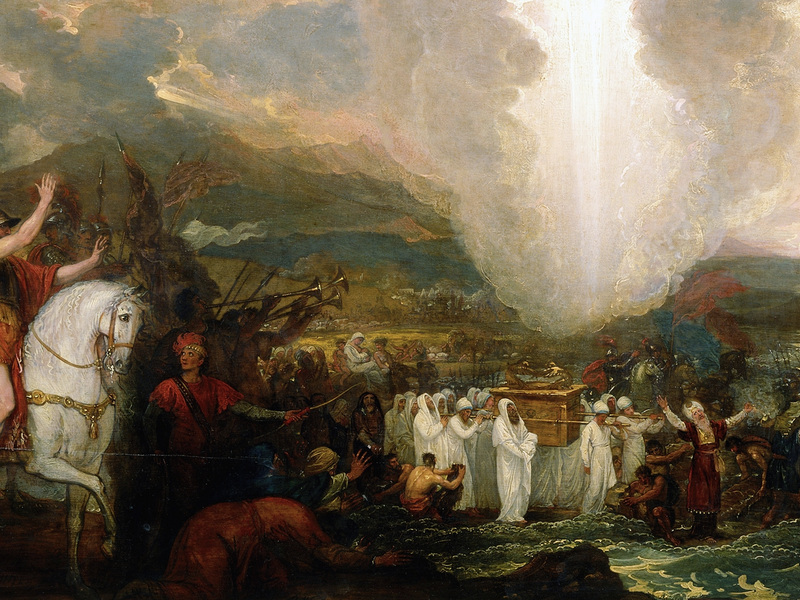
“And it shall be in those days when you are multiplied and increased in the land,” declares the Lord, “they shall say no more, ‘The Ark of the Covenant of the Lord.’ And it shall not come to mind, nor shall they remember it, nor shall they miss it, nor…

by Mark HorneJune 6, 2004

e99a4713
Grace

Grace & Justice in Unexpected Places

Elsewhere, I have argued that there is grace in the so-called covenant of works (see, e.g., my colloquium essay, “A Response to ‘The Biblical Plan of Salvation,’” in The Auburn Avenue Theology: Pros and Cons , edited by Calvin Beisner (pages 118-148). It may be equally surprising to find justice…

by Rich LuskJune 6, 2004
amjd-rdwan-erymmvvsy1y-unsplash-1
Theologia

Trust & Obey

Years ago, as a layman, I had the privilege of attending a Bible study led by a gifted teacher. His story was interesting: back when he was a student he had been severely sanctioned for affirming that one must repent in order to be saved, that one must trust Jesus…

by Mark HorneJune 5, 2004
daniel-born-yw_qx-i8ln4-unsplash
Theologia

The World is Built on Faith

Believing that God really exists Defining “faith” is sometimes made too complicated. The theologian, Louis Berkhof, for example, distinguishes “faith in general” from “faith in the religious sense and particularly saving faith.” Berkhof’s core definition of saving faith is not so bad. He says that it is “a certain conviction,…

by Mark HorneJune 5, 2004
ben-white-qdy9ahp0mto-unsplash
Apostasy

The Children of Christians Are Christians

It is generally acknowledged that when Paul wrote letters to churches, he expected his letters to be read in the worship service to the congregation. It is interesting, then, that when Paul wrote letters to a congregation he could feel free to address children and tell them to obey their…

by Mark HorneJune 5, 2004
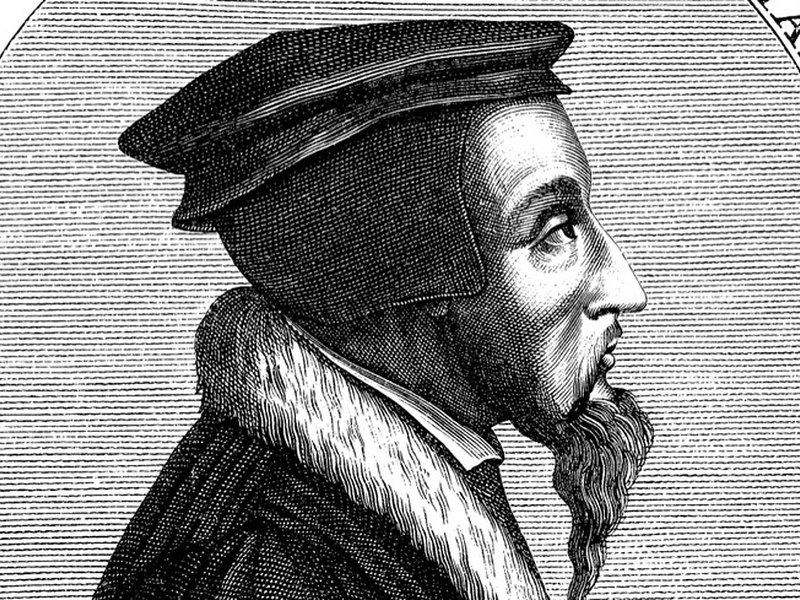
24542-cropped-john-calvin
Ecclesiology

Calvin on the Pastor and Community

Book 4 of Calvin’s Institutes of the Christian Religion is a classic work of ecclesiology. This book is the longest section of the Institutes , showing Calvin’s deep interest in and love for the church. Among its many salutary features is a full scale exposition of those ecclesiastical leaders Calvin…

by Rich LuskJune 5, 2004

Showing page 224 of 309

See all

Showing page 35 of 43

See all

Wives and Daughters

Unpacking her patrilineal account of sacrifice, Nancy Jay notes offhandedly that the genealogy of Genesis 4-5 is “perfectly patrilineal. No women are named; wives are not even mentioned” ( Throughout Your Generations Forever , 96). It’s true. Women are pretty much invisible after Eve is named “Living one” and bears…

December 17, 2014

Reshuffling Sacraments

In a brilliant brief discussion of the Reformation revision of Christian sacramental theology, Philippe Buc ( Dangers of Ritual ) writes: “The Reformation’s success in sixteenth-century Europe can be explained partly by the skill with which its propagandists mustered against the Roman Church notions basic to the medieval definition of…

December 17, 2014

Impure Modernity

In his Inquiry into Modes of Existence , Bruno Latour imagines an anthropologist doing field work among the tribe of Science in their natural habitat, the lab. She has been told that the Modern world is separated into interrelated but distinct domains: “Law, Science, Politics, Religion, The Economy.” These must…

December 17, 2014
Economics

The Gods of Economics

Bruno Latour ( An Inquiry into Modes of Existence ) says that “the entire modern experience has stood up against living under the control of an indisputable metadispatcher. No one can make us believe the contrary: we know that it is false ” (469). Except when it comes to economy.…

December 17, 2014

Impurity - Thinking Makes It So

Paul continues to use the language of purity and impurity, but it seems radically altered in his hands. Foods are not unclean; there is no hint that bodily conditions (menstruation, childbirth, seminal emissions) cause uncleanness. Indeed, all things are pure (Romans 14:20). But Paul’s logic is a bit more complicated…

December 16, 2014

Hamann’s Hume

Johann Georg Hamann, the devout German philosopher of the Enlightenment age, argues that “a kind of ‘faith’ is involved in everyday life when we recognize the real.” In several places, Hamann attributed this insight to Hume. “The reasonings of a Hume ,” he wrote, “may be convincing and their refutations…

December 16, 2014

Showing page 485 of 2212

Browse by Category

In Medias Res

Your weekly digest for all things Theopolis.

Donate

Theopolis is nearly 100% donor-supported. Consider joining us on our mission.