Theopolis Logo

Writing

Explore our collection of theological essays, biblical studies, and reflections on faith and culture.

See all
the-story-of-pastor-tom-clark-2-2
Pastoral Ministry

The Story of Pastor Tom Clark

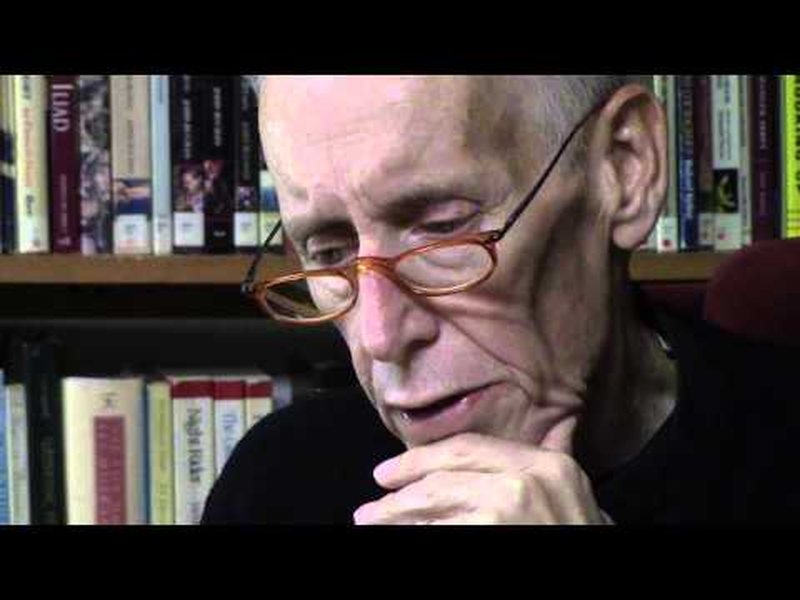
Several months ago, I wrote a First Things essay on the life and ministry of Pastor Tom Clark of Tri-City Covenant Church in Somersworth, New Hampshire. Tom died shortly after that essay appeared, but during his last days we were able to spend a couple of days listening to Tom's…

by Peter LeithartDecember 16, 2014

europeana-h-4wme4eooo-unsplash-3
Advent

A Faustian Christmas

Scene 1 Mr Faust sitting in a big chair, with Little Faust on his lap, reading. Mrs Faust sitting in another chair, knitting or something. Mr Faust : And I heard him exclaim As he drove out of sight Merry Christmas to all And to all a good night. (Closing…

by TheopolisDecember 16, 2014
stonewall
American Politics

Sleeping at Gethsemane

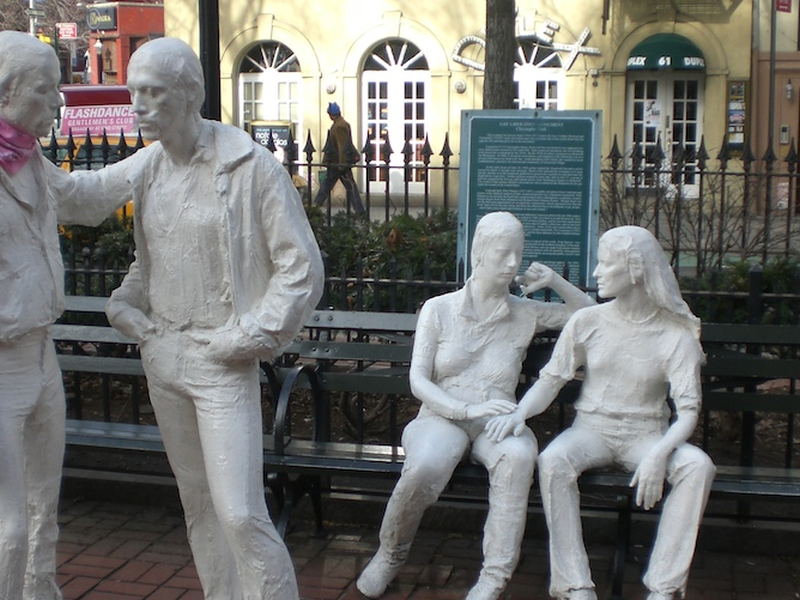
Sadly, most Christians in the United States, when it comes to recognizing the dangers to their civil and religious liberties, sleep the sleep of ignorance that the disciples slept at Gethsemane before the arrest of Jesus. It ought to be obvious by now how “sexual orientation” laws and “gay marriage”…

by Robert GagnonDecember 16, 2014
creation-2
Creation

Maker of Heaven and Earth

From an early period in church history, Christians have confessed belief in a God who created “out of nothing.” God doesn’t need pre-existent matter to work with like a human artisan does; rather, God both calls into existence the material substrate he intends to work with, and he fashions whatever…

by Stephen LongDecember 11, 2014
medievalilluminatedmanuscript
Leviticus

Learning to Love Leviticus

January 1 is the start date for a New Year's resolution. December is the month to start making plans for those resolutions. Perhaps the most common resolution Christians make is to read through the Bible in a year. But that resolution runs into a big challenge near the outset: Leviticus.…

by John BarachDecember 9, 2014
banner
Theopolis News

Theopolis Accredited by National Financial Accountability Organization

BIRMINGHAM, AL – The ECFA (Evangelical Council for Financial Accountability) announced today the accreditation of Theopolis Institute of Birmingham, AL. ECFA accreditation is based on the ECFA Seven Standards of Responsible Stewardship™ , including financial accountability, transparency, sound board governance and ethical fundraising. Theopolis Institute joins a growing number of…

by TheopolisDecember 4, 2014

Showing page 164 of 309

See all

Showing page 35 of 43

See all
Uncategorized

Gone Fishin’

June 24, 2014

Impure Holiness

Isaiah 65 piles up charges of idolatry and impurity against Israel. They are supposed to offer continuous sacrifices, but their sacrifices are a continuous provocation (65:3). They build their altars from bricks rather than from stones, as the law requires (65:3). The sacrificial smoke doesn’t sooth Yahweh but is an…

June 23, 2014

Coding Trance

In an essay at Slate , David Auerbach tells a story about John Harris, a game-programmer: “While working on an 8-bit Atari port of Frogger in the early 1980s, Harris said, “’ glued my hands to the keyboard.’ One day he started programming midafternoon, losing himself in work. The next…

June 23, 2014

Smart Dumb

P oet Kenneth Goldsmith gives a taxonomy of smartness and dumbness. There are various permutations. He prefers dumb, but it has to be smart dumb: “There is dumb dumb and there is smart dumb. There is also smart smart. Dumb dumb is plain dumb and smart smart is plain smart.…

June 23, 2014

Kynics and Cynics

In a 1987 review of Peter Sloterdijk’s Critique of Cynical Reason , Neil Wilson observes that for Sloterdijk “cynicism is enlightenment turned sour: a sourness which results from the self-denial that self-survival in a society dominated by instrumental rationality requires” (55). It is not a new attitude, but an ancient…

June 23, 2014

Physiognamy’s revenge

Peter Sloterdijk distinguishes in his Critique of Cynical Reason (139-40) between the objectifying and distancing aims of Enlightenment thought and the inescapable “physiognomic sense” of life among fleshly humans: “Whereas the process of civilization, whose core is constituted by the sciences, teaches us to distance ourselves from people and things…

June 23, 2014

Showing page 581 of 2212

Browse by Category

In Medias Res

Your weekly digest for all things Theopolis.

Donate

Theopolis is nearly 100% donor-supported. Consider joining us on our mission.