Theopolis Logo

Writing

Explore our collection of theological essays, biblical studies, and reflections on faith and culture.

See all
g-_k-_chesterton_at_work
Books

Interpreting "The Man Who Was Thursday"

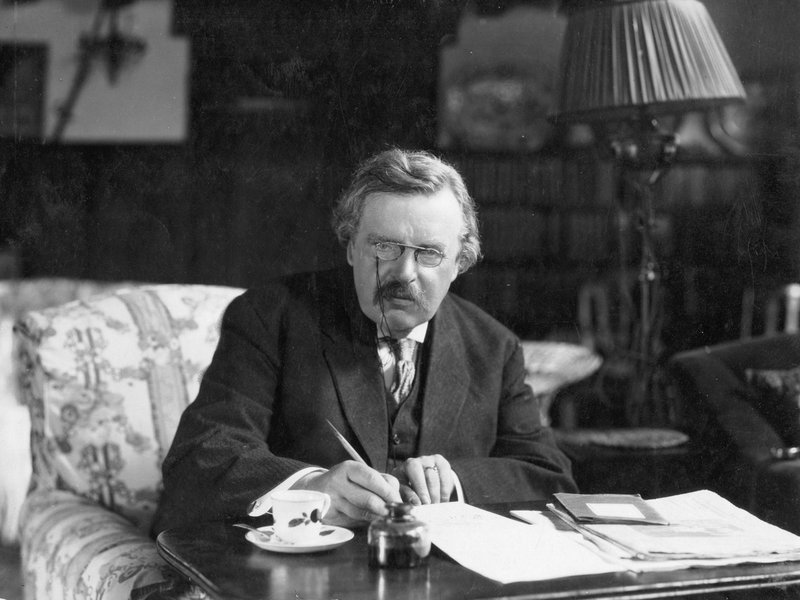
I just finished re-reading G. K. Chesterton’s The Man Who Was Thursday . I have in the past had the temerity to say that I believe it to be the best novel of the 20th century. Be that as it may, I still maintain that it is at least one…

by Richard BledsoeJanuary 7, 2022
10779-istockgetty-images-plusredletterw
Hebrews

The Universality of Mary’s Wound

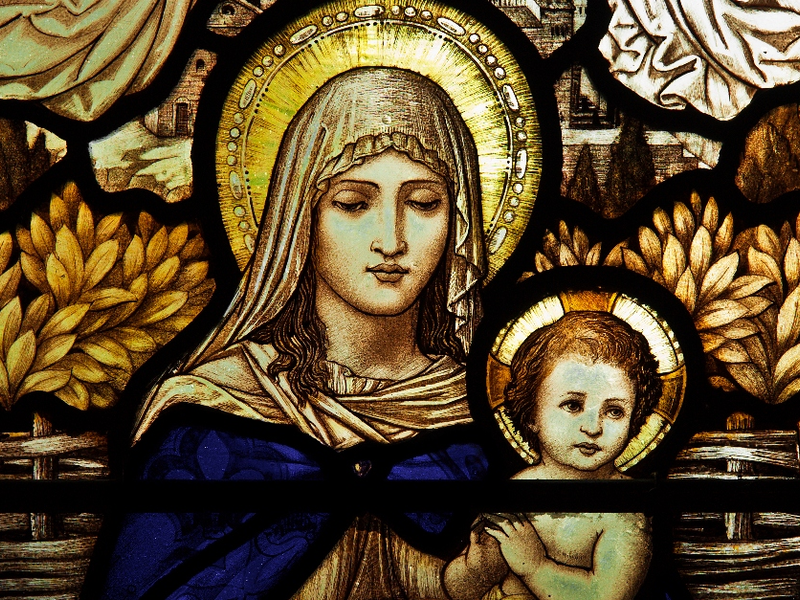
And Simeon blessed them and said to Mary his mother, “Behold, this child is set for the fall and rising of many in Israel, and for a sign that is spoken against and a sword will pierce through your own soul also, that thoughts out of many hearts may be…

by Garrett SoucyJanuary 4, 2022
heartierhymnals-stockimage
Music

An Argument for Heartier Hymnals

I was inspired to write this article after reading John Ahern’s The Case for Shorter Hymnals first published on Theopolis Institute’s website on November 16, 2021. Mr. Ahern and I are writing with different audiences and emphases in mind. I am thankful we both share a mutual desire to see…

by Jarrod RicheyDecember 30, 2021
tim-marshall-k2u71wv2ei4-unsplash-1
Biblical Studies

Image of God

If you’ve spent any time in the social-media galaxy of Christian cultural commentators, you have almost definitely run across the Latin phrase Imago Dei . It means image of God . Why they usually say it in Latin, I couldn’t tell you. We saw it in the wake of the…

by Daniel HoffmanDecember 28, 2021
annunciation
Advent

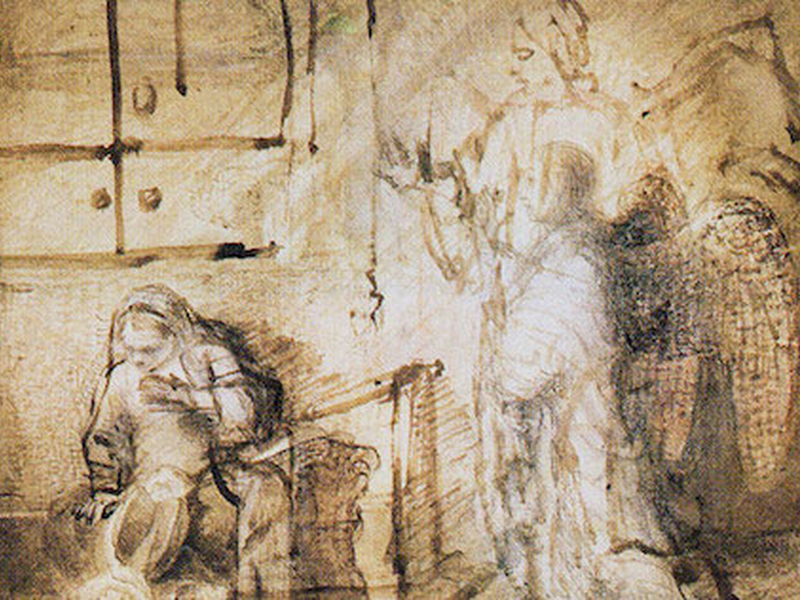
He Comes to Make His Blessings Known: "Son of David" and "Son of Abraham" in Matthew 1:1

The Gospel of Matthew—indeed, the New Testament—begins with a list of names, and that list of names is introduced by this heading: “The book of the generations of Jesus Christ, the son of David, the son of Abraham.” Why start like this? Why “the son of David” and “the son…

by Josh JensenDecember 23, 2021
49980-nicolas_poussin_-_the_judgment_of_solomon_-_wga18330-800w-tn
Biblical Studies

On Not Needing to Cut the Baby in Half

A blade is raised. A child wails. But the brow under the crown is untroubled. Solomon knows that the raising of the sword will reveal the true parent and the identity of the son. But how did he know this? Abraham’s willingness to sacrifice Isaac certainly bears some of the…

by Jonathan WhiteDecember 21, 2021

Showing page 48 of 309

See all

Showing page 35 of 43

See all

Local Grace

In his introduction to Charles Taylor’s A Secular Age , James KA Smith sums up Taylor’s argument that the Reformation hastened the “disenchantment” of the world ( How (Not) To Be Secular , 38-9). Taylor’s summary of Calvin sounds like a summary of Barth: “The Reformers ‘all see the reigning…

April 25, 2014

Encounter with Orthodoxy

John P. Burgess of Pittsburgh Theological Seminary spent a year with his family in Russia and recounts the experience of Russian Orthodoxy in his 2013 Encounters with Orthodoxy . It’s a very personal, sympathetic account. He describes Orthodox practices, and also some theology, in a way that I suspect an…

April 25, 2014

Confessional and Catholic?

Willem van Asselt’s Introduction to Reformed Scholasticism provides a superb overview of the history of Reformed Scholasticism, as well as a survey of the current state of the literature. Early on, he emphasizes the “catholicity” of Reformed Scholasticism: “those who practiced it explicitly aimed to stand within the tradition of…

April 25, 2014

Via Negativa

Benjamin Kaplan’s Divided By Faith is primarily a revisionist history of the rise of toleration in early modern Europe. He challenges the Enlightenment notion that 18th-century intellectuals introduced the idea, showing instead that toleration appeared first as a set of practices in religiously diverse regions of Europe and was first…

April 25, 2014

Lifted

Lifts might not have changed everything, but they changed a lot, according to Andreas Berard’s Lifted: A Cultural History of the Elevator . The TLS reviewer observes how the elevator transformed architecture, and the class distribution of vertical space: “The lift allowed the dramatic recalibration of building types. Staircases were…

April 24, 2014

Red, Black, Gray

How did religion survive and revive in China? Answering that question in Religion in China , Fenggang Yang sketches the outlines of a political-economic sociology of religion. Like many sociologists of religion, he rejects the theory of secularization. Modernity has not proven to be the solvent of religious faith that…

April 24, 2014

Showing page 626 of 2212

Browse by Category

In Medias Res

Your weekly digest for all things Theopolis.

Donate

Theopolis is nearly 100% donor-supported. Consider joining us on our mission.