Theopolis Logo

Writing

Explore our collection of theological essays, biblical studies, and reflections on faith and culture.

See all
little-girl
Children

Honor God With Your Body

I am making a new rule in our house! We are actually kind of skimpy on the house rules. I try very hard to keep things simple: love God, love others, be joyful. It’s not complicated to avoid discipline here. But I have found myself repeating this new rule over…

by Lindsey TollefsonApril 9, 2015

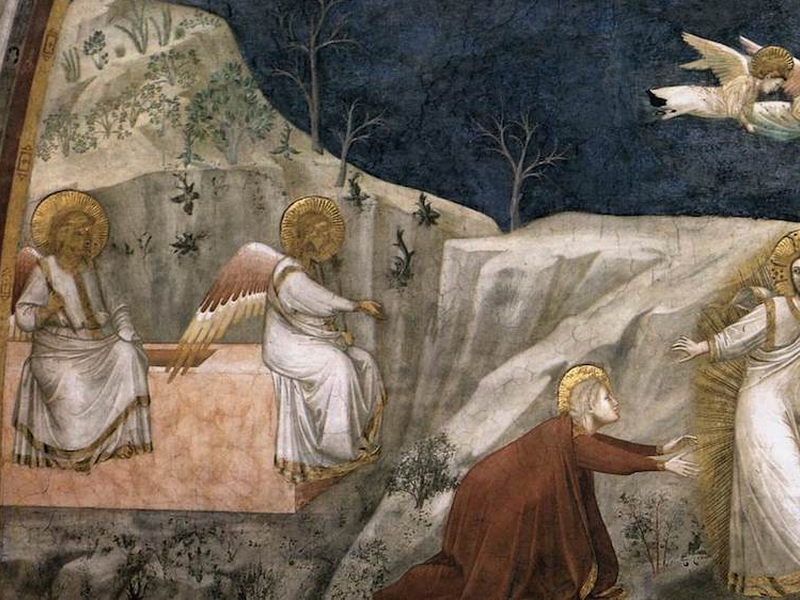
giotto-noli-me-3
John

The Gardener and the Beloved, (Part 3)

Click HERE for Part 2 The voice of Jesus transforms and changes Mary when she hears him speak her name. This is her last “turning.” So also the woman in the Song of Songs longs to hear the voice of her beloved. Let me see your face, let me hear…

by Jeff MeyersApril 6, 2015
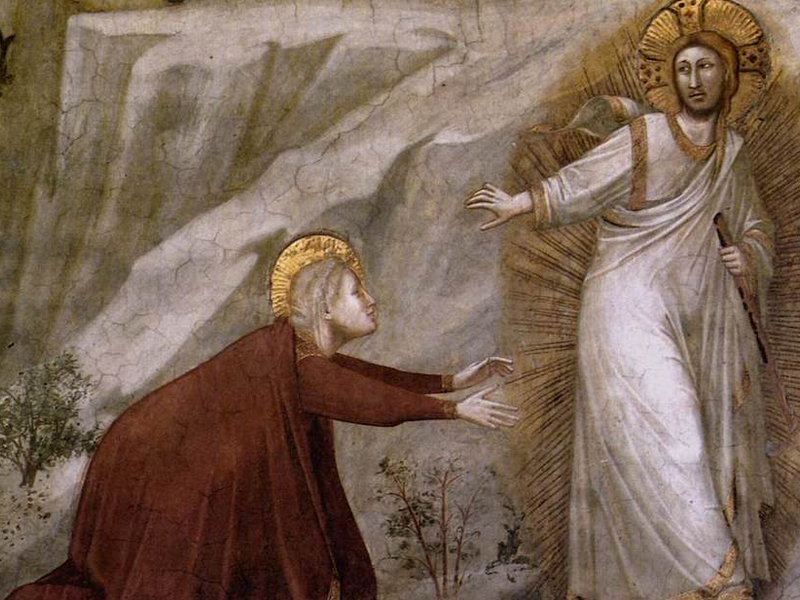
giotto-noli-me-2
John

The Gardener and the Beloved, (Part 2)

Click HERE for Part 1. The details of this story call the attentive reader back to the drama of Solomon’s Song of Songs. And the Song of Song’s alludes to, ties us into the story of Adam and Eve in the Garden and the promise of a coming Messiah that…

by Jeff MeyersApril 4, 2015
easter-term-2015-2
Theopolis News

Easter Term, 2015

“The course was a paradigm shift for me,” said Jonathan Sedlak, a Milwaukee electrical contractor who attended Theopolis’s course on Revelation. “I am left with a book that is far more practical than it has ever seemed before.” Jonathan Anderson of Louisville, Kentucky found the course “refreshing.” “I finished with…

by TheopolisApril 2, 2015
psalm-singing
Genesis

Worship as Response: Liturgical Logic, (Part 1)

“It is only by participation in a rational, practice-based community that one becomes rational.” – Alasdair MacIntyre It may be perfectly clear to a chef why adding unsifted powdered sugar to a hot frosting is a bad idea. But for an amateur cook, this may be the kind of rule…

by Jonathan BarlowApril 2, 2015
giotto-noli-me
John

The Gardener and the Beloved, (Part 1)

On a fresco in a chapel in Padua, Italy, there is a famous painting depicting the dramatic post-resurrection scene in John 20 with Mary and Jesus outside of the garden tomb. Giotto di Bondone painted it in the early 14th century. Jesus is striding from the tomb with a victor’s…

by Jeff MeyersApril 1, 2015

Showing page 156 of 309

See all

Showing page 35 of 43

See all

Chaucerian apocalypse

In their The Apocalyptic Imagination in Medieval Literature , Richard Emmerson and Ronald Herzman find apocalypse in unexpected places. Like Chaucer. For the medieval mind, any pilgrimage evoked the pilgrimage of the soul toward heaven, and The Canterbury Tales is no different: “For the individual pilgrims, the pilgrimage suggests the…

March 19, 2013
Uncategorized

Stephen’s Sermon in Luke-Acts

Someone recently referred me to Delbert L. Wiens’s Stephen’s Sermon and the Structure of Luke-Acts . It looks wonderful. He has a triple thesis: First, that Stephen’s speech is “a politike in the broadest sense, a sociological and political account of the levels and developmental stages of the Kingdom of…

March 19, 2013

It’s Coming

In his wonderful Jesus and the Victory of God , NT Wright compiles all the passages where Jesus warns of an impending catastrophe, within “this generation.” It’s a long list. Someone needs to do the same with the rest of the New Testament. (Andrew Perriman’s The Future of the People…

March 19, 2013

Prodigals and older brothers

Matthew doesn’t tell the parable of the Prodigal Son, but he might has well have. He records the parable of the laborers in the vineyard, which has the same structure and point. Some laborers work through the heat of the day, some come at the 11th hour and work only…

March 19, 2013

Cup-bearer

Jeremiah tells the exiles that they will be conquered by Yahweh’s “servant” Nebuchadnezzar and will be under Babylon for 70 years (Jeremiah 25:8-11). When the time’s up, Yahweh will punish Babylon and recompense them for their deeds (vv. 12-14). In preparation for this eventual judgment, Yahweh hands a cup to…

March 19, 2013
Literature

Gogol’s Sobornost

Nicolai Gogol’s mystical, exotic religious views didn’t quite fit any form of orthodox Christianity. Orthodoxy deeply marked him, especially Orthodoxy monasticism. After his first visit to the monastery at Optina, Gogol wrote that he “took a memory away with me that will never fade. Clearly, grace dwells in that place.…

March 18, 2013

Showing page 772 of 2212

Browse by Category

In Medias Res

Your weekly digest for all things Theopolis.

Donate

Theopolis is nearly 100% donor-supported. Consider joining us on our mission.