Theopolis Logo

Writing

Explore our collection of theological essays, biblical studies, and reflections on faith and culture.

See all
puritans
History

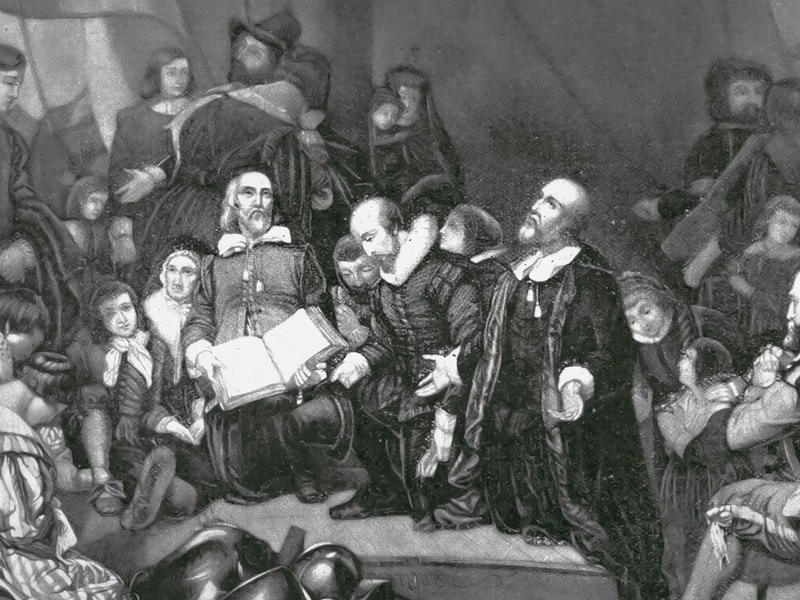
Congregational Theocracy: That Time Theocrats Ran Puritan New England

Timon Cline wrote recently that “theonomists” didn’t run Puritan New England. 1 He is correct, in his major thesis, that the claim that “Puritanism and the natural law tradition are antithetical” is “wildly ahistorical.” Mr. Cline demonstrates that Puritans repeatedly extolled natural law. Besides the Puritan sources Mr. Cline mustered,…

by John CarpenterAugust 9, 2022

screen-shot-2022-08-04-at-9-36-57-am
Mark

The Land of the Walking Trees

The Church is the land of the walking trees. In Mark’s Gospel, the identity of Jesus is slowly and progressively revealed. Though St. Mark announces at the beginning of his narrative that Jesus Christ is “the Son of God” (1:1), this is a reality that must be spoon-fed to His…

by Jackson ShepardAugust 4, 2022
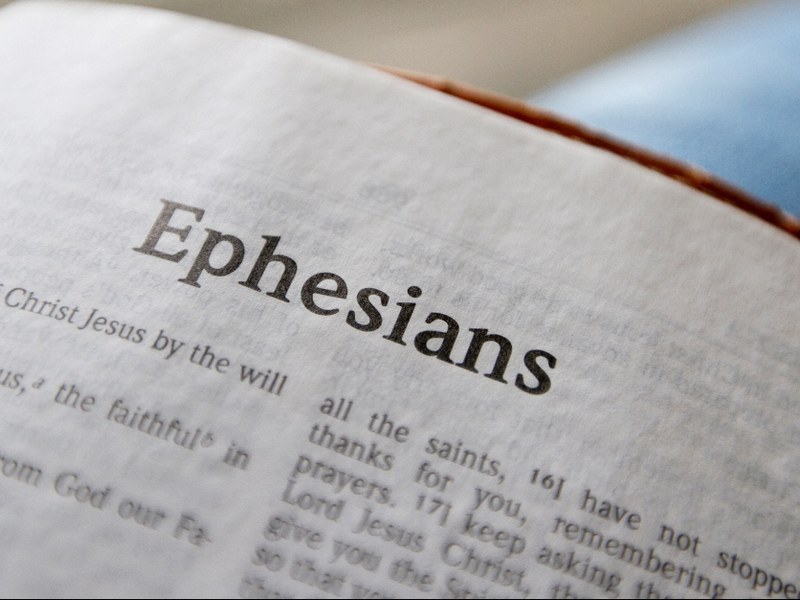
11982-sparrowstockephesians
Ephesians

The Significance of Ephesians (with a comparison to Romans)

All Scripture is of ultimate significance as the word of God, but it may be helpful to think about what makes a book (in this case, a letter) possibly unique within the canon. In this case, the “general” nature of Ephesians should stand out, but it often is not recognized…

by Mark HorneAugust 2, 2022
davide-ragusa-g32g_ibprfa-unsplash
Ecclesiastes

A Time to Kill (Ecclesiastes 3:3)

Where do we draw the lines between what is right and wrong? This question is fundamental to civilization, fundamental to a free society. To put this question in the bluntest and most offense terms: if there is a time to kill — which Solomon says there is — whom shall…

by Ralph Allan SmithJuly 28, 2022
screen-shot-2018-04-12-at-9-48-08-am
Biblical Horizons

Broadening Our View of the Trinity

This article was originally posted in May of 1994. We speak of God as Father, Son, and Holy Spirit. The early Church tended to speak of Him as Father, Word, and Spirit. In this short essay, I want to suggest some other ways to think of the Trinity, ways that…

by James B. JordanJuly 26, 2022
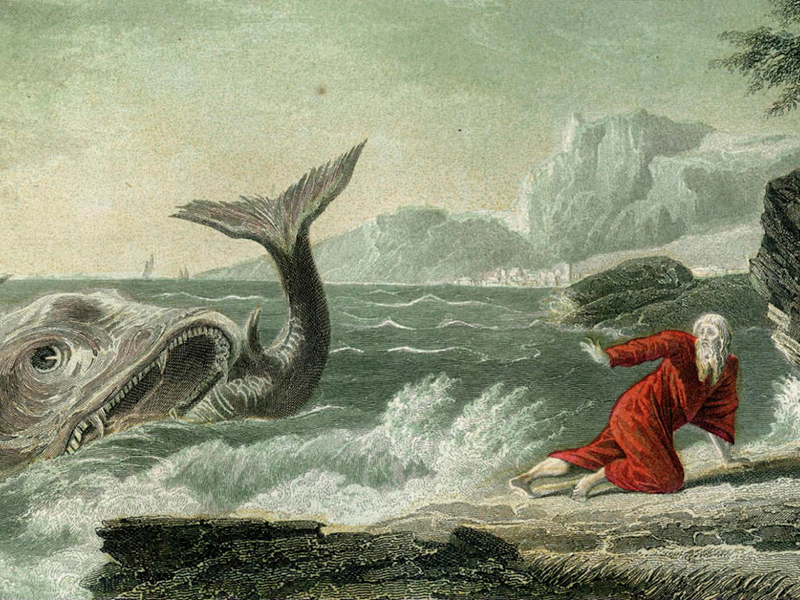
jonahwhale-1552x900
Jonah

Journeying Prophets in Kings

Jonah’s Home The story of JONAH belongs in the book of KINGS. JONAH balances the story of the unnamed Judean prophet (1K13) in KINGS’ literary structure. Each story describes a journeying prophet that crosses land or sea to confront a wayward king. The two stories are located during the reigns…

by Scott FairbanksJuly 21, 2022

Showing page 41 of 309

See all

Showing page 35 of 43

See all
Philosophy

Pure gift

In his Reveries of the Solitary Walker (Oxford World’s Classics) , Rousseau muses on the “complete and utterly disinterested benevolence” that he would show if he could avoid “forming an attachment to anyone in particular” and “taking on the burden of any responsibilities.” If only he could be entirely anonymous,…

September 19, 2012

Trinity Institute - What They’re Saying

It was Jodocus van Lodenstein, the Dutch reformer, who first coined epigram, ‘Ecclesia reformata semper reformanda est secundum Verbum Dei: the church is reformed and always being reformed according to the Word of God.’ Central to that ongoing reforming work in our day is the recovery of richly Biblical worship.…

September 19, 2012

Sermon notes

INTRODUCTION As He has done before (Isaiah 41:1), Yahweh again summons the peoples to court to present their cases against Him (43:8-9). In the courtroom of history, Israel is a witness in Yahweh’s favor (43:10, 12; 44:8), proving that Yahweh alone is God (43:10). At the center of His defense…

September 17, 2012

Un-Angry God

Patrick Coleman notes in his Anger, Gratitude, and the Enlightenment Writer (pp. 9-10) that early Enlightenment writers didn’t necessarily dismiss God. They merely defanged him: “Enlightenment writers were acutely conscious of the ways in which secular as well as ecclesiastical authorities could brandish the image of an angry God to…

September 15, 2012
Politics

Limited government

Locke ( Two Treatises of Government ) argues that political authority, because it exists only by the consent of free people, cannot exercise power beyond the purposes for which it was constituted. Because it exists for the protection of property, it cannot have power to take property without consent. He…

September 15, 2012
Biblical Studies

Father and mother

At the beginning of the first of his Two Treatises of Government , John Locke refutes the Scriptural arguments of Robert Filmer’s Patriarcha ( Filmer: ‘Patriarcha’ and Other Writings (Cambridge Texts in the History of Political Thought) ). Filmer claims that political authority is grounded in paternal authority, and characterizes…

September 15, 2012

Showing page 871 of 2212

Browse by Category

In Medias Res

Your weekly digest for all things Theopolis.

Donate

Theopolis is nearly 100% donor-supported. Consider joining us on our mission.