Theopolis Logo

Writing

Explore our collection of theological essays, biblical studies, and reflections on faith and culture.

See all
elijah-1200x630-min
Biblical Horizons

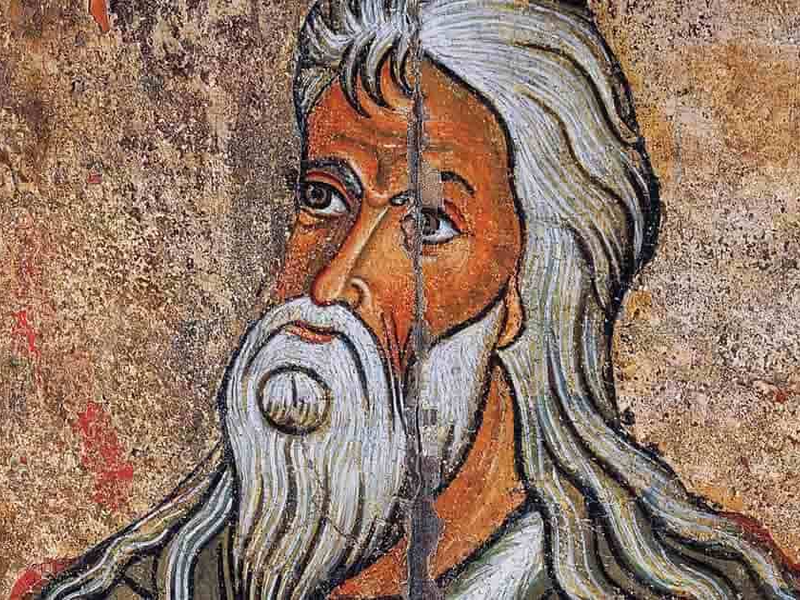
Elijah’s Exodus

1 Kings 17, which abruptly introduces Elijah into the history of the northern kingdom, is a carefully constructed literary unit. In its basic structure, it follows a clear exodus-return pattern. Like Jacob and his sons, Elijah was driven out of the land by a famine (vv. 1-4). In exile, Elijah…

by Peter LeithartJune 17, 1992

ales-krivec-4mibe6zg5r0-unsplash
Biblical Studies

All Things New

Now the Pharisees, who were lovers of money, were listening to all these things and they were scoffing at Him. And He said to them, "You are those who justify yourselves in the sight of men, but God knows your hearts; for that which is highly esteemed among men is…

by Mark HorneJune 6, 1992
aaron-burden-h8s0pf2rcqs-unsplash
Biblical Chronology

Chronologies and Kings, Part 11: The Knots of 2 Kings 11-14

In the year 3119, Ahaziah of Judah and Jehoram of Israel were both slain by Jehu as he carried out his God-appointed task of eliminating the seed and house of Ahab (2 Kings 9:13-33). Since the kings of Israel are usually counted as beginning their reign in the same year…

by James B. JordanMay 24, 1992
trnava-university-beeyeib-am8-unsplash
Biblical Studies

Gleanings from Robert Alter’s "Art of Biblical Narrative"

One of the most important developments in Biblical studies in recent years has been a movement of scholars devoted to studying the literary techniques of the Biblical writers. Tremper Longman, III of Westminster Theological Seminary has treated this movement from a Reformed perspective in his Literary Approaches to Biblical Interpretation…

by Peter LeithartMay 17, 1992
ian-schneider-iqbc4vu4ypq-unsplash
Biblical Horizons

Tentmaking

And because [Paul] was of the same trade, he stayed with [Aquila and Priscilla] and they were working; for by trade they were tentmakers (Acts 18:3). The fact that Paul was by trade a tentmaker has usually been taken as the springboard for a discussion of whether pastors should have…

by James B. JordanApril 24, 1992
screen-shot-2022-05-12-at-12-07-23-pm
Biblical Studies

Chronologies and Kings, Part 10: Jehoram of Judah

I pointed out in Chronologies and Kings Part 9 that the years of Judah’s kings are given in chronological fashion. "When we read of a Judahite king’s reign as lasting 4 years, it means that 4 years of the chronology have been given to him, and there is no chronological…

by James B. JordanApril 24, 1992

Showing page 290 of 309

See all

Showing page 35 of 43

See all

Monasticism

In a 2002 article, Lester Little notes the biblical inspiration for Carolingian Benedictine monasticism: “In inspiration, thought patterns, and rhetoric, this liturgical monasticism shared in a culture that was deeply indebted to the Old Testament. Models for the duties and prerogatives of the religious were found in the instructions given…

August 28, 2012
Uncategorized

Mammon

Charles Eisenstein offers this arresting description of the divine attributes of money in modern culture ( Sacred Economics: Money, Gift, and Society in the Age of Transition , xiii-xv): “The one thing on the planet most closely resembling the . . . conception of the divine is money. It is…

August 23, 2012

On Divine Tensions

In his Forsaken: The Trinity and the Cross, and Why It Matters , Thomas H. McCall cites some alarming statements about the logic of atonement from evangelical theologians, who claim that there is a “strife of attributes” in God: “Gregory Boyd and Paul Eddy describe this position as one that…

August 23, 2012
Uncategorized

Timeless violence

According to most ancient myths, the origin of the creation is violent violent. It must be so. Reality as we know it is in constant motion, a realm of constant change. But antique religions are quests for a place of stability. To get to that “rock of ages,” change has…

August 21, 2012
Theology

Normal gods

In his outline of theology proper in Christian Dogmatics, Volume 1 , Jenson describes the “usual god” of ancient religion: “The usual God, whose eternity is persistence of the beginning, has as his very honor among us that in him we are secure against the threats of the future. Ancient…

August 21, 2012

Meal and social order

In their classic study of The Cuisine of Sacrifice Among the Greeks (13), Detienne and Vernant describe how the distribution of meat from a sacrificed animal traces the boundaries and ranks of a social order: “The commensal meal begins with division. Two systems seem to compete, both in the carving…

August 21, 2012

Showing page 879 of 2212

Browse by Category

In Medias Res

Your weekly digest for all things Theopolis.

Donate

Theopolis is nearly 100% donor-supported. Consider joining us on our mission.