Theopolis Logo

Writing

Explore our collection of theological essays, biblical studies, and reflections on faith and culture.

See all
trnava-university-beeyeib-am8-unsplash
Biblical Chronology

Meredith G. Kline Strikes Back, Part 2

In our first essay we looked at Kline’s flawed exegesis of Genesis 2:5 as it relates to Day 3 of creation. Now we turn to Kline’s new argument against a chronological reading of Genesis 1, as found, again, in "Space and Time in the Genesis Cosmogony," Perspectives on Science and…

by James B. JordanMarch 29, 1997
30211-bathsheba-800w-tn
Hermeneutics

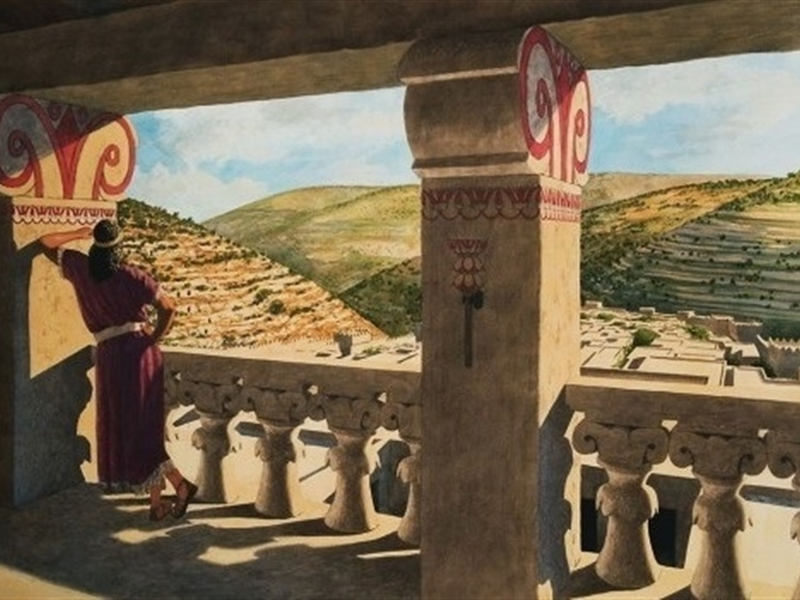
Bathsheba: The Real Story

One of the advantages of paying very close attention to the details in the Bible, especially chronological and genealogical details, is that they can shed light on situations that don’t seem to make much sense apart from them. One such situation is that of Bathsheba. It appears that Bathsheba willingly…

by James B. JordanMarch 28, 1997
jonathan-cooper-ygxq7hfdjzq-unsplash
Church Calendar

Is the Church Year Biblical? | A Parking Lot Parable

Once upon a time, Jeff Meyers and Tony Rollins–old friends who had not seen each other for a few years–met in the parking lot of a neighborhood church. They were dropping off their pre-school children at the church for Mother’s Day Out. They were such conscientious and helpful fathers. As…

by Jeff MeyersMarch 20, 1997
annie-spratt-upxf6to3fea-unsplash
Daniel

The Allegory of Susanna

Years ago, when I was at the briefly-existing Geneva Divinity School, I taught a course in the Apocrypha. One thing that struck me at that time is that two of the stories are almost certainly religious allegories (as well as moral tales): Judith and Susanna. Since "Susanna" means "Lily," this…

by James B. JordanFebruary 28, 1997
serafima-lazarenko-_ivuwprfczi-unsplash
Biblical Horizons

A Blossom of Yahweh’s Field

Peter’s essay inspires me to write up some similar thoughts about the flower of the field. Rightly does Peter associate the almond with Yahweh’s garden, because the Garden of Eden is symbolically positioned as parallel to the Holy Place of the Tabernacle and Temple. To wit: Since Aaron’s rod blossomed…

by James B. JordanFebruary 28, 1997
trnava-university-beeyeib-am8-unsplash
Biblical Chronology

Meredith G. Kline Strikes Back, Part 1

We have had occasion to discuss the views of Meredith G. Kline previously in these newsletters, and now it is time to do so again. Kline teaches at Gordon-Conwell Theological Seminary and also at the Westminster Theological Seminaries (Philadelphia and San Diego). He is the author of some interesting insights…

by James B. JordanFebruary 28, 1997

Showing page 259 of 309

See all

Showing page 36 of 43

See all

Seizure of Speech

Seizing power doesn't make a revolution. When you seize speech, then you've got a chance at total revolution. Writing of the French Revolution, James Billington writes ( Fire in the Minds of Men , 34-5), " four-letter outbursts of the youthful demonstrators in the late 196os echoed the political shock…

October 27, 2017

Secular Sacred

You could find anything in the cafes of the Palais Royal in the last decades of the eighteenth century: "Distinctions of rank were obliterated, and men were free to exercise sexual as well as political freedom. In the course of a single visit, one might sip such libations of liberation…

October 27, 2017

Contraction of Theological Imagination

Toward the end of Corpus Mysticum , Henri de Lubac says that one of the most serious results of the shifts in Eucharistic theology he examines is "the devaluation of symbols." Augustine's entire theology was about "signs" and "things." In the late Middle Ages, "consideration of 'signs' would soon suffer…

October 27, 2017

Left and Right

"In the summer of 1789, absolute monarchy and aristocratic authority were overthrown forever in the most powerful kingdom," writes James Billington in Fire in the Minds of Men (20). If something happens, it must be possible. Just so: The French Revolution was "the hard fact that gave birth to the…

October 27, 2017

Lament to Joy

Josiah's death is a reverse exodus because it's first an inverted Passover. Zechariah describes a scene of mourning like the “mourning on the plain of Megiddo,” a reference to the death of Josiah (Zechariah 12:11). But the mourning Zechariah describes is also like the mourning of Egypt over their firstborn.…

October 26, 2017

American Revolution

Was the American Revolution a Revolution? Eugen Rosenstock-Huessy (ERH) concludes it was a “half-revolution” rather than a total revolution on the scale of the Russian, French, Puritan, Reformation, and Papal revolutions. Evaluating the revolutionary character of the American Revolution rests partly on the question of what “revolution” meant to the…

October 26, 2017

Showing page 129 of 2212

Browse by Category

In Medias Res

Your weekly digest for all things Theopolis.

Donate

Theopolis is nearly 100% donor-supported. Consider joining us on our mission.