Theopolis Logo

Writing

Explore our collection of theological essays, biblical studies, and reflections on faith and culture.

See all
tanner-mardis-xuxghzhibn4-unsplash-1-2
Biblical Studies

Tweets-turned-Notes on the Bible’s Chronology

Summary In what follows, I will consider the “year-stamps” employed in Scripture, i.e., statements of the form, “Such-and-such an event took place in the Xth year of Y.” In the process, I will suggest some ways in which the Biblical narrative might relate to events in the extra-Biblical world, though…

by James BejonJuly 16, 2019
durer-prodigal-son-2
Luke

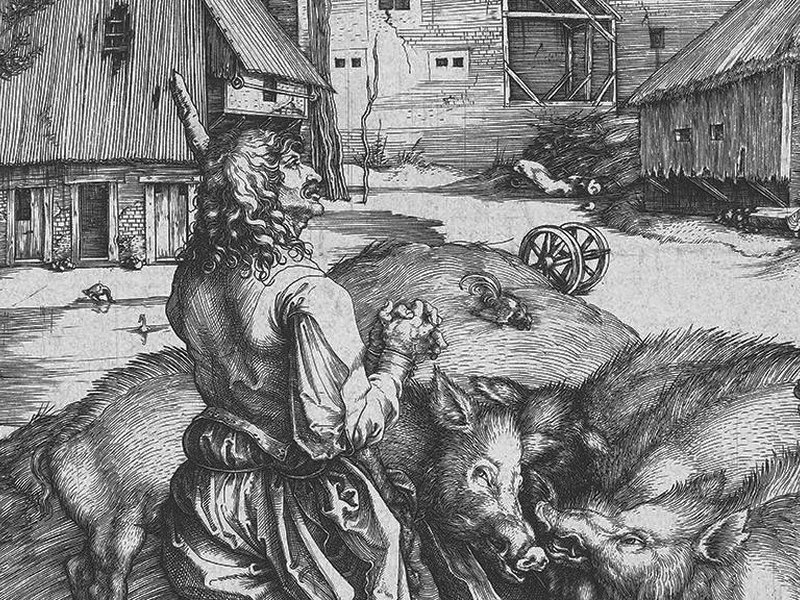
Perspectives on the Prodigal, (Part 2)

In the first essay on the parable of the Prodigal Son, I suggested that the problems commentators and others encounter in interpreting Jesus three-part parable are not accidental. These are not just problems in our ignorance of cultural background. They are intentional features of the stories —stories designed to poke…

by Ralph Allan SmithJuly 11, 2019
durer-prodigal-son-2
Luke

Perspectives on the Prodigal, (Part 1)

The story of the Prodigal Son is perhaps the most well-known story in the Bible. As others have observed, it may also be one of the most misunderstood. In two short essays, I will point out features of this story that are commonly neglected, aspects of Jesus’ parable that might…

by Ralph Allan SmithJuly 9, 2019
de-rijke-man-en-de-arme-lazarus-by-jacopo-da-ponte-16th-century
Luke

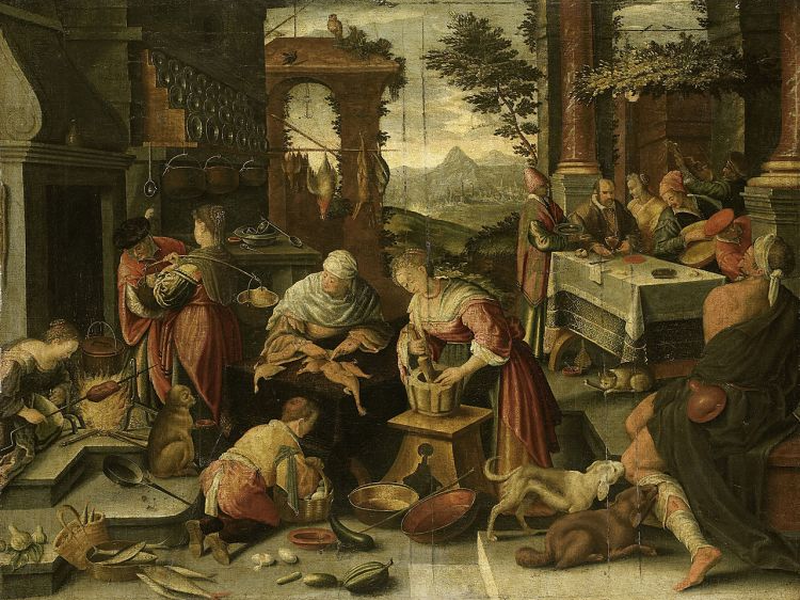
Lazarus and the Rich Man

The parable of Lazarus and the nameless rich man is not an independent story. It is part of a long context that begins in Luke 15:1, where Jesus is eating with tax collectors and sinners and the scribes and Pharisees grumble. In response to their hardheartedness, Jesus tells a three-part…

by Ralph Allan SmithJuly 4, 2019
aaron-burden-uynrnfdkjwg-unsplash
Luke

Everybody has Dropsy - Luke 14:1-24

The Bible is written so that even when a reader cannot pick up on what might be deeper or more detailed aspects of a text, there is virtually always a message to be heard. In the ancient world, where the “reader” of Scripture would likely be a church official facing…

by Ralph Allan SmithJuly 2, 2019
communion
Biblical Theology

Fruit Trees and Grain Plants

The distinction between garden (or vineyard) and field begins in Genesis 2. This relates to the ordering of the formless world. Plants of the field are contrasted with the garden planted by God in Genesis 2:5&8. Later on, under the Old Covenant the Israelites will be required to keep their…

by James B. JordanJune 27, 2019

Showing page 77 of 309

See all

Showing page 36 of 43

See all
History

God bows out

Why did the Reformation happen? Luther once said, “God threw the cards on the table and refused to play the game any longer.”

February 20, 2007

Cooler Heads

Some good friends, who happen to agree with the substance of my arguments about vulgar speech, suggested that the arguments would be more effective if I didn’t use the obscenities in their full form in the post. I have made the suggested changes on the previous post “On Vulgar Language”…

February 20, 2007

New Creation, New Adam

Victor Wilson points out that the story of Jesus and the woman at the well is arranged in a series of six exchanges between Jesus as the woman (vv. 7b-9; 10-12; 13-15; 16-17a; 17b-20; 21-25), and ends with Jesus speaking and the woman answering by action instead of words (26-27).…

February 20, 2007

On Vulgar Language

I have been taken to task elsewhere on the web for a few posts on my site that included obscene and vulgar words. It’s been argued that my posts violate biblical standards for speech and writing. That’s the issue I want to address in this post. One of the most…

February 20, 2007

Modern Sex-Speak

Here is another older piece, first published in the Chalcedon Report in 1988 (hence the dated bibliography and references), on the question of how Christians should talk about sex. Part of the point is that even non-obscene terms can be used in ways that undermine Christian sexual morals. Asterisking f-words…

February 19, 2007

Sermon Notes, First Sunday of Lent

INTRODUCTION John is a true apostolic pastor. His letters address the universal church (1 John), a particular congregation, the “chosen Lady” (2 John), and an individual Christian, Gaius (3 John). 3 John is full of names: Gaius (v. 1), Diotrephes (v. 9), Demetrius (v. 12). John is not content with…

February 19, 2007

Showing page 1715 of 2212

Browse by Category

In Medias Res

Your weekly digest for all things Theopolis.

Donate

Theopolis is nearly 100% donor-supported. Consider joining us on our mission.