Theopolis Logo

Writing

Explore our collection of theological essays, biblical studies, and reflections on faith and culture.

See all
screen-shot-2018-02-08-at-9-58-52-am
Epistemology

Seeking Integration in a Fragmented World: Indwelling Polanyian Integration

So far I have claimed that, especially in this era of fragmentation, we seek some way to integrate our lives. I have suggested that the view that modernity holds of what knowledge is has actually been a critical source of the fragmentation we sense in the modern West. Imagining knowledge…

by Esther Lightcap MeekMay 1, 2018

e99a8370-2
Theopolis News

Theopolis Names New Executive Director

The Theopolis Institute has appointed John Crawford as Executive Director. John has been a student in the Junior Fellows Program this year, and proven to be an enthusiastic and articulate advocate of Theopolis's vision. "Theopolis brings a unique, comprehensive paradigm to cultural change - with the Church at the center,"…

by TheopolisApril 30, 2018
screen-shot-2018-02-08-at-9-58-52-am
Art

Artist-Priests in God’s Poetic World

Metaphor is already intrinsic to the Trinity. Jesus is not the Father. And then again, He is indwelt by the Father, and He in turn indwells the Father. “He who has seen Me,” Jesus said, “has seen the Father.” This fundamental is/is not relationship is the relationship of metaphor. A…

by Tim NicholsApril 26, 2018
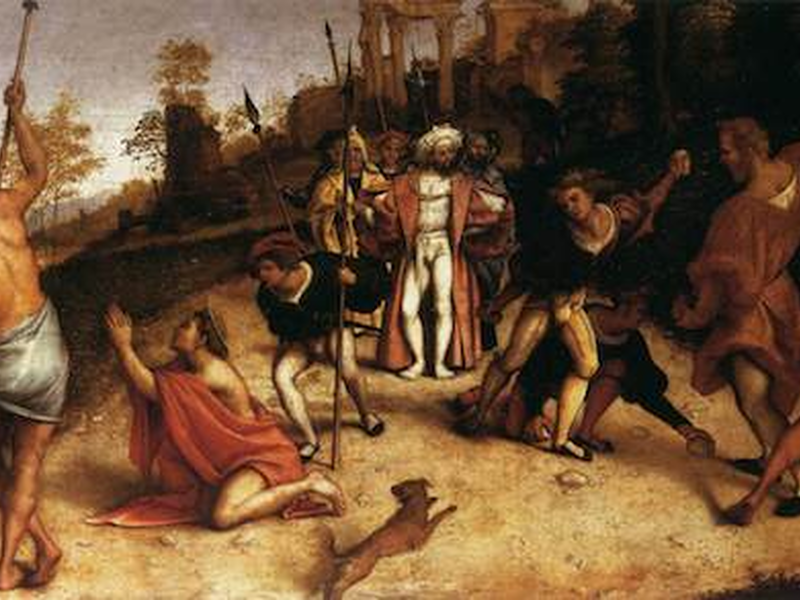
stephen-martyr-lotto
James

Addressees and Author of James

James, a bond-servant of God and of the Lord Jesus Christ, to the twelve tribes in the diaspora, greetings (James 1:1). Though the epistle of James is considered a "general" epistle, the letter originated from particular circumstances that can be discerned from the New Testament. In order to sketch its…

by Peter LeithartApril 24, 2018
sixteen-miles-out-al48tflf4e8-unsplash
Leviticus

Introduction to the Ascensions

Before considering the details of the Leviticus, we must have before us certain matters that have been established in Genesis and Exodus. These are things that we as Israelites already know when we first hear Moses report what God dictated to him in Leviticus. Adam Let us begin with Adam.…

by James B. JordanApril 19, 2018
img_1456
Culture

The Principalities and Powers, (Part 2)

For Part 1 of this series, click HERE . The great question for the emerging East, Asia and other awakening third world areas, for an emerging nation like China is, “what fate awaits them?” They are now emerging from an analogous paganism that the West emerged from centuries ago. Here…

by Richard BledsoeApril 17, 2018

Showing page 95 of 309

See all

Showing page 36 of 43

See all

Justice and Faith in Acts

Paul's sermons in Acts 13 and 17 both employ language connected with the theme of justification that occupies so much attention in Romans and Galatians. Yet Paul uses the same concepts and terminology in ways that don't seem to fit his usage in the epistles. In Acts 13:38-39, he tells…

April 26, 2016

Protestant Individualism?

In her book on Common Prayer , Ramie Targoff claims that “What emerges in the aftermath of the Reformation is less a triumphant embrace of the individual's private and individual self than a concerted effort to shape the otherwise uncontrollable and unreliable internal sphere through common acts of devotion” (6).…

April 26, 2016

Sons of Levi

The genealogy of Levi is at the center of the genealogical section of 1 Chronicles. The genealogy begins with Adam and reaches ahead to the restoration from exile. In short, the genealogies survey all of human history, and, with the Levites at the center, it's as if the human race…

April 25, 2016

Atoning Alms

Early on in David Downs's study of Alms and atonement in early Christianity, he offers this striking quotation from Basil. He urges his hearers to keep the commandment to feed the hungry “as you would take hold of a fugitive, securing it from all sides with grasping hands and encircling…

April 25, 2016

Suffering Historiography

Theological investigations of Naziism are often dogged by “a subtle methodological difficulty,” writes Paul Hinlicky in Before Auschwitz (2): “the ‘retrospective fallacy,' sometimes also called ‘presentism.'” As Hinlicky explains, “Unlike the historical actors in church and society during the 1920s and 1930s in Germany, our inquiry benefits from certain knowledge…

April 25, 2016

Pagans and their Images

Paul's criticism of idols in his Athens speech repeats philosophical commonplaces about the nature of God and the difference between God and images, commonplaces as old as Plato and as contemporary as Seneca. But they were philosophical commonplaces. Lane Fox has pointed out that the philosophical skepticism about images was…

April 21, 2016

Showing page 296 of 2212

Browse by Category

In Medias Res

Your weekly digest for all things Theopolis.

Donate

Theopolis is nearly 100% donor-supported. Consider joining us on our mission.