Theopolis Logo

Writing

Explore our collection of theological essays, biblical studies, and reflections on faith and culture.

See all
cloister

Gatekeepers

1 Chronicles 9:1 seems to bring the genealogies of 1 Chronicles to an end. The Chronicler has recorded the genealogy of the human race from Adam, focusing on the descendants of Abraham through Jacob. Summing it all up, he says, “So all Israel was enrolled by genealogies; and behold, they…

by Peter LeithartJune 21, 2016
trinity-1-2
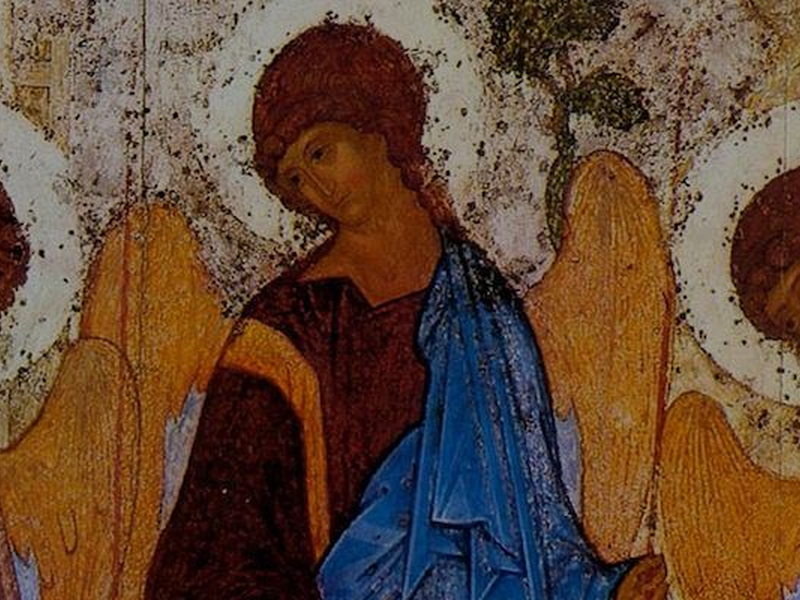
Trinity

Are the Divine Persons Persons?

The “personalist” understanding of the Trinity, articulated most influentially in the work of John Zizioulas, has fallen on hard times. Recent scholars have attacked Zizioulas’s idea that Cappadocian Trinitarianism represented an ontological revolution, hammering on the distinction between divine and human personhood. Michel Barnes’s conclusion is the most drastic of…

by Peter LeithartJune 16, 2016
img_4660-2
Architecture

On Biblical Theology

Biblical Theology is often defined as the historical unfolding of God’s revelation, or of God’s revelation and of the history of his covenantal redemption and transformation of humanity and the world. In practice, Biblical Theology is usually broader than this, and also includes the study of literary structure and of…

by James B. JordanJune 14, 2016
laughing_statue_by_xxbobbiie-d5f0meh-2
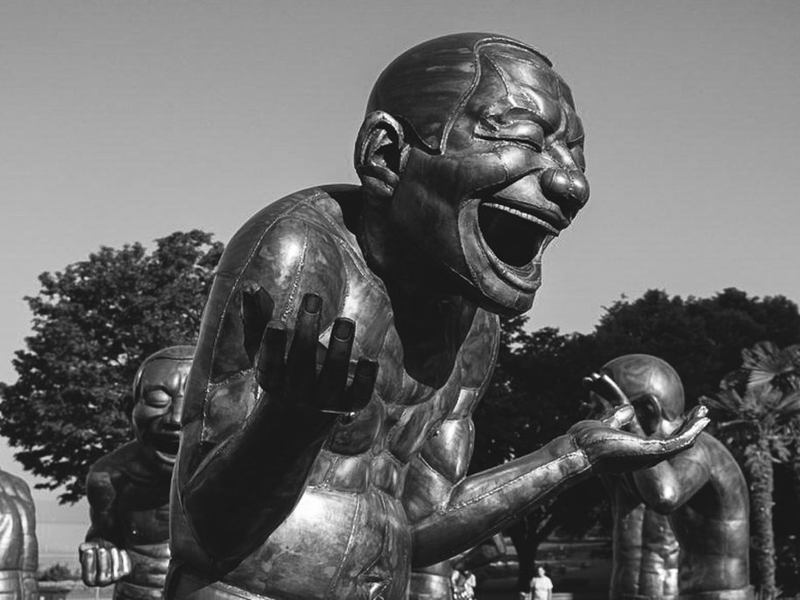
Humor

Wise Laughter

We are made to be happy. Created to enter into the eternal joy of God, our whole being inclines to that end, but the fallen world has put forth barriers and by our own sin we bar ourselves from that endless delight, and death blinds us to that reality. Yet…

by Remy WilkinsJune 7, 2016
img_7664
Liturgy

Why Theopolis? Take Two

At the end of Revelation, John sees the heavenly city descending to earth. The city shines with the brilliance of God's glory, which lightens the nations, so that kings bring their glory to the city. This is not a vision of the final new heaven and new earth. It's a…

by Peter LeithartJune 2, 2016
trinity-1-2
Attributes of God

How Can We Talk About God?

“No one has ever seen God,” writes John (John 1:18). If this is the case, then how can we speak about God? Some people say we actually cannot. Or at least we cannot speak about God positively, i.e. who He is. We can only say who or what God is…

by Bogumil JarmulakMay 31, 2016

Showing page 130 of 309

See all

Showing page 36 of 43

See all

The Rites of Rock

Charon Ross offers a brilliant analysis of rock concerts as ecstatic experiences ( Gifts Glittering and Poisoned , 132-4). The concert is a carefully orchestrated symbolic constellation “designed to enable the spectator to have experiences of ecstasy so wonderful and powerful that they are difficult to capture with words. Euphoria…

November 6, 2015

We Were Never Modern

What Do Pictures Want? seems an odd title for a book on picture theory. WJT Mitchell intends his title to highlight the “double consciousness” that we have toward images. “why is it that people have such strange attitudes toward images, objects, and media? Why do they behave as if pictures…

November 6, 2015

The Altar Call

Detached from the Eucharistic liturgy, preaching is at sea. Preachers announce the gospel and call our people to faith. We also want to give them something to do. There are dangers on both sides: We may so much emphasize the grace of God that we provide sophisticated excuses for passivity…

November 5, 2015
Abortion

Whose Body Is It?

A year ago, Sarah Ditum wrote a piece for The New Statesman that compared abortion with organ donation, pointing out that the demands on a pregnant woman's body are far greater than the demands laid on organ donors: “giving away a bagful of gore or a chunk of liver that…

November 5, 2015

The Politics of Lear

According to Fintan O'Toole's NYRB review , James Shapiro's The Year of Lear helps to unravel some of the mysteries of that most haunting of Shakespeare's tragedies. O'Toole nicely captures why the play is so haunting: “King Lear is not apocalyptic, it is far worse. Instead of deserved damnation and…

November 5, 2015

The Poets of War

Geert Buelens's Everything To Nothing offers a European-wide review of the poets writing before and during World War I. It is a tour de force , recalling forgotten poets to vivid life and setting better-known poets in a new European context. The poets, he argues, were not only observers but…

November 4, 2015

Showing page 354 of 2212

Browse by Category

In Medias Res

Your weekly digest for all things Theopolis.

Donate

Theopolis is nearly 100% donor-supported. Consider joining us on our mission.