Theopolis Logo

Writing

Explore our collection of theological essays, biblical studies, and reflections on faith and culture.

See all
paul-2
Romans

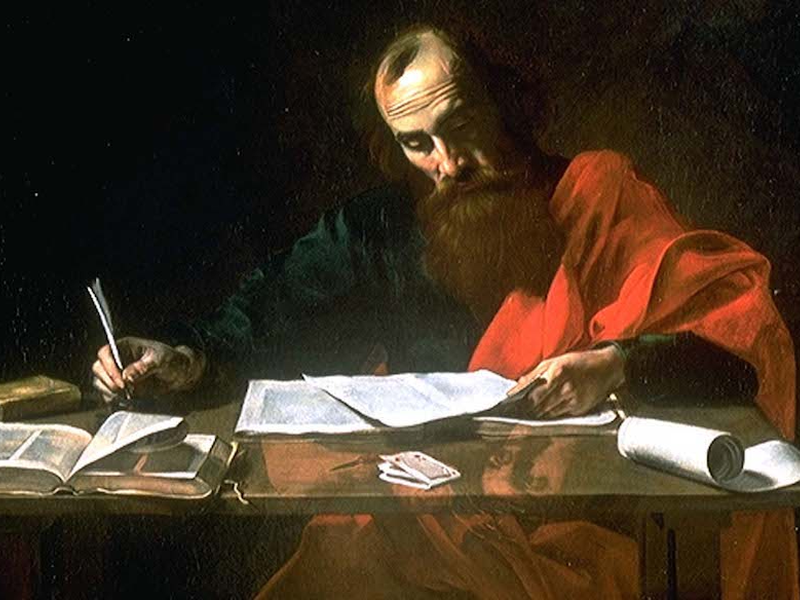
Notes on Scary Stuff in Romans 9

What shall we say then? Is there injustice on God’s part? By no means! For he says to Moses, “I will have mercy on whom I have mercy, and I will have compassion on whom I have compassion.” So then it depends not on human will or exertion, but on…

by Mark HorneFebruary 5, 2015
lunch-counter
American Politics

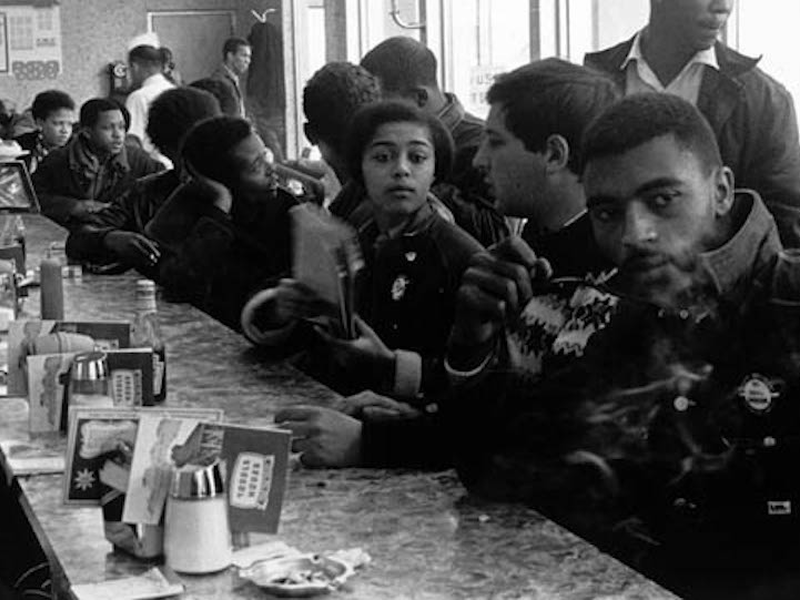
Covenants of Exclusion

A hundred years ago, William Warley signed a contract to buy a house in Louisville, Kentucky from Charles Buchanan, a white man. Before closing the sale, Warley, who was black, learned that the lot was subject to a city ordinance barring blacks from occupying the premises if most of the…

by Brendan O'DonnellFebruary 3, 2015
shakespeare-2
Literature

The Bard and the Book

I concluded the first essay on this topic by saying that I would introduce three books about Shakespeare and the Bible, but I decided to introduce four instead. The three books become four are: Naseeb Shaheen, Biblical References in Shakespeare’s Plays (London: Associated University Presses, 1999) ; Hannibal Hamlin, The…

by Ralph Allan SmithJanuary 29, 2015
augustine-2
Augustine

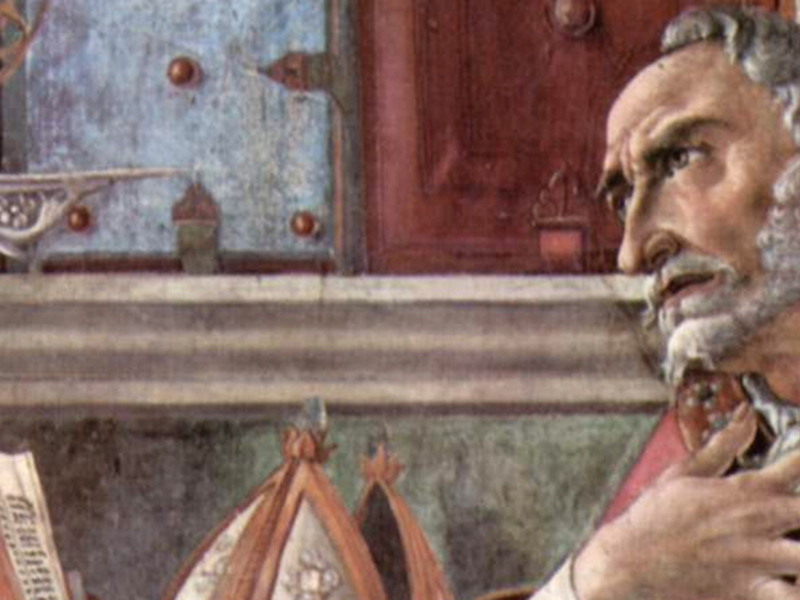
Augustine on Pagan Virtue

My children attend a classical Christian school, situated in the independent “free church” evangelical tradition. Over the past few years they have been growing in their acquaintance with the world of Homer, Plato, Virgil, and Livy. They enjoy it, and I envy it. The school is a great school. My…

by Gerald HiestandJanuary 27, 2015
prodigal-son
Atonement

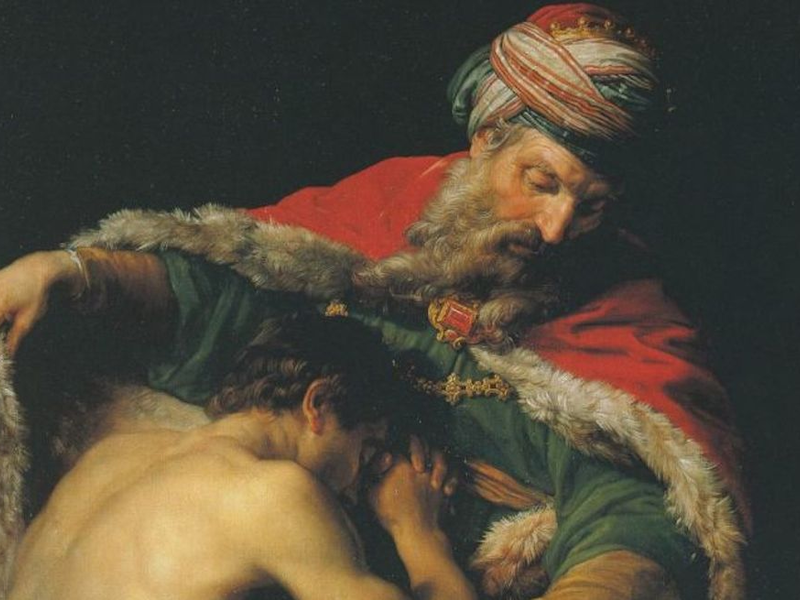
The Prodigal and the Cross

The Prodigal Son parable (Luke 15) has been a favorite of liberal theologians for a couple of centuries. It seems to be a parable designed for liberal sensibilities: An indulgent, accepting Father; forgiveness extended without a cross; a surly older brother who might represent the "conservative" face of religion who…

by Peter LeithartJanuary 22, 2015
sky-from-bridge
Ascension

Underground Man, Ascended Man

“I want now to tell you, gentlemen, whether you care to hear it or not, why I could not even become an insect. I tell you solemnly, that I have many times tried to become an insect. But I was not equal even to that. I swear, gentlemen, that to…

by Richard BledsoeJanuary 20, 2015

Showing page 161 of 309

See all

Showing page 36 of 43

See all

Portion and Inheritance

Israel’s priests did not inherit land. Many lived in cities and they possessed the land immediately surrounding. But they did not get a separate plot when the land was divided. Yahweh said He was their inheritance (Numbers 18:19), and He said it chiastically: A. In the land you will not…

December 31, 2014
Theology

The Structure of Promising

Christoph Schwobel’s contribution to Justification in a Post-Christian Society is characteristically grand. Exploring what contribution Lutheranism can make to contemporary society, he focuses on central Lutheran concerns - promise and trust. His explanation of the grammar of promise is densely brilliant: “The central distinction between law and gospel only becomes…

December 31, 2014
Theology

God of Promise

Christoph Schwobel’s analysis of promising ( Justification in a Post-Christian Society ) opens out into a discussion of theology proper with a reference to Luther’s claim that God identifies Himself in Exodus 3:14 as the God who promises Himself, “so that this promise is God’s essence in relation to which…

December 31, 2014

We Have An Altar

“We have an altar, from which those who serve the tabernacle have no right to eat. For the bodies of those animals whose blood is brought into the holy place by the high priest as an offering for sin are burned outside the camp. Therefore Jesus also, that He might…

December 30, 2014
Reformation

Catholic in Reformed

In his study of Calvin’s Company of Pastors , Scott Manetsch estimates that “just under 5 percent of all excommunications” in Geneva were imposed because of “Catholic behavior” (203). By this phrase, he refers to “instances where people voluntarily aligned themselves with some dimension of Roman Catholic faith or practice,…

December 30, 2014
Economics

Invisible Hand

Adam Smith wrote, briefly in several places, of an invisible hand that guided economic life. The work of this invisible hand was to bend self-interested actions to socially beneficent ends. As Smith wrote in The Wealth of Nations : “By preferring the support of domestic to that of foreign industry,…

December 29, 2014

Showing page 481 of 2212

Browse by Category

In Medias Res

Your weekly digest for all things Theopolis.

Donate

Theopolis is nearly 100% donor-supported. Consider joining us on our mission.