Theopolis Logo

Writing

Explore our collection of theological essays, biblical studies, and reflections on faith and culture.

See all
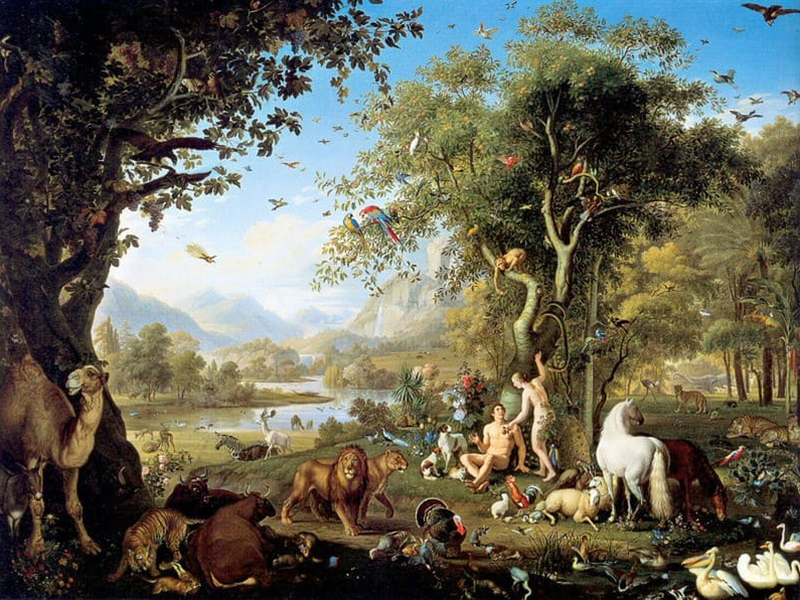
29994-adam-and-eve-in-the-garden-of-eden-800w-tn
Biblical Theology

Jesus in the Garden

Figure: Literary structure of the Garden narrative The Garden narrative describes God forming the adam , resting him in his presence, then provisioning for his appetites of food, vocation, and mate. It continues to describe a snake, the introduction of death, and humanity's expulsion from the garden. The pages of…

by Scott FairbanksJune 25, 2019
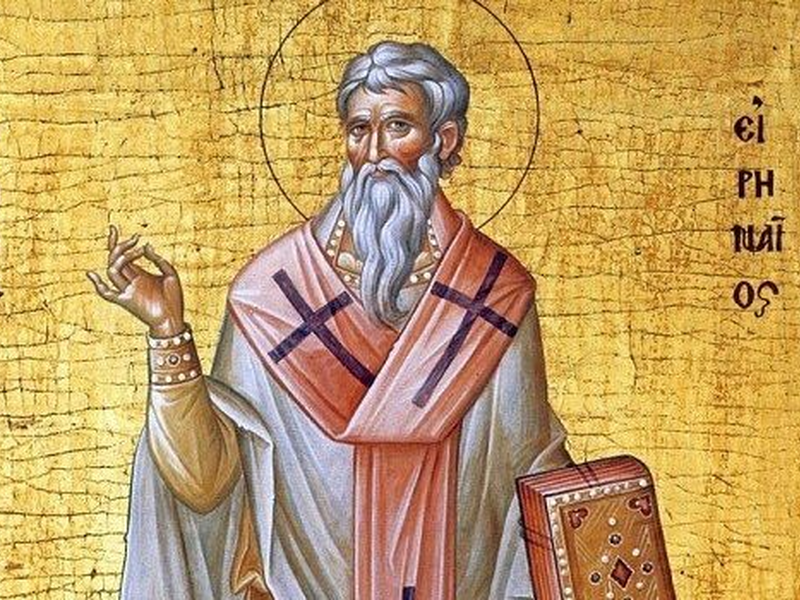
irenaeus-of-lyons-620x350
Christology

St. Irenaeus, the Beatific Vision, and the Instrumentalization of Creation

I’ve spent the last few years studying the theology of St. Irenaeus (d. circ. 200ad). In particular, I’ve been gripped by the way that Irenaeus consistently resisted the anti-body emphasis that emerged in later Christian theology. His eschatology is remarkably focused on the resurrection of the body, and the renewal…

by Gerald HiestandJune 18, 2019
aaron-burden-1ebsmyrau-s-unsplash
Exodus

The Light Before the Switch

Details of Jesus in Exodus 1:22-2:25 Although there are a great many Christ-types in the Old Testament, it is hard to overplay the obviousness of some that seem to necessarily rise to the top before others. One of these is Isaac, with his near sacrifice by his own father after…

by Eric RobinsonJune 11, 2019
thomas-habr-185321-unsplash
Biblical Theology

Characteristics of the Wicked City

What can we say about Cain's wicked sanctuary-city of Enoch? First that it was built with a brother's blood as its cornerstone. The Church is also built such, for Jesus was the younger brother of the whole Adamic race, slain by that company of older brothers because they hated Him.…

by James B. JordanJune 4, 2019
simon-caminada-107680-unsplash
Biblical Theology

Trees and Thorns

In Genesis 2:9 the ground brought forth trees good for food, delightful to view, and in two cases, life-giving or rule-bestowing. Adam, made of the ground (2:7), would by implication bring forth new trees, and thus trees and plants are among the symbols for human beings throughout the Bible. The…

by James B. JordanMay 28, 2019
annie-spratt-44241-unsplash
Biblical Theology

Trees for Food

One of the must fundamental teachings of the Bible and of the Christian religion is that man does not have life in himself. Man must get life from outside of himself, in order to maintain his life. The way this is done is through eating and drinking. Apart from life,…

by James B. JordanMay 21, 2019

Showing page 78 of 309

See all

Showing page 36 of 43

See all
Uncategorized

Gone Fishin’

June 24, 2014

Impure Holiness

Isaiah 65 piles up charges of idolatry and impurity against Israel. They are supposed to offer continuous sacrifices, but their sacrifices are a continuous provocation (65:3). They build their altars from bricks rather than from stones, as the law requires (65:3). The sacrificial smoke doesn’t sooth Yahweh but is an…

June 23, 2014

Coding Trance

In an essay at Slate , David Auerbach tells a story about John Harris, a game-programmer: “While working on an 8-bit Atari port of Frogger in the early 1980s, Harris said, “’ glued my hands to the keyboard.’ One day he started programming midafternoon, losing himself in work. The next…

June 23, 2014

Smart Dumb

P oet Kenneth Goldsmith gives a taxonomy of smartness and dumbness. There are various permutations. He prefers dumb, but it has to be smart dumb: “There is dumb dumb and there is smart dumb. There is also smart smart. Dumb dumb is plain dumb and smart smart is plain smart.…

June 23, 2014

Kynics and Cynics

In a 1987 review of Peter Sloterdijk’s Critique of Cynical Reason , Neil Wilson observes that for Sloterdijk “cynicism is enlightenment turned sour: a sourness which results from the self-denial that self-survival in a society dominated by instrumental rationality requires” (55). It is not a new attitude, but an ancient…

June 23, 2014

Physiognamy’s revenge

Peter Sloterdijk distinguishes in his Critique of Cynical Reason (139-40) between the objectifying and distancing aims of Enlightenment thought and the inescapable “physiognomic sense” of life among fleshly humans: “Whereas the process of civilization, whose core is constituted by the sciences, teaches us to distance ourselves from people and things…

June 23, 2014

Showing page 581 of 2212

Browse by Category

In Medias Res

Your weekly digest for all things Theopolis.

Donate

Theopolis is nearly 100% donor-supported. Consider joining us on our mission.