Theopolis Logo

Writing

Explore our collection of theological essays, biblical studies, and reflections on faith and culture.

See all
cloister

Gatekeepers

1 Chronicles 9:1 seems to bring the genealogies of 1 Chronicles to an end. The Chronicler has recorded the genealogy of the human race from Adam, focusing on the descendants of Abraham through Jacob. Summing it all up, he says, “So all Israel was enrolled by genealogies; and behold, they…

by Peter LeithartJune 21, 2016
trinity-1-2
Trinity

Are the Divine Persons Persons?

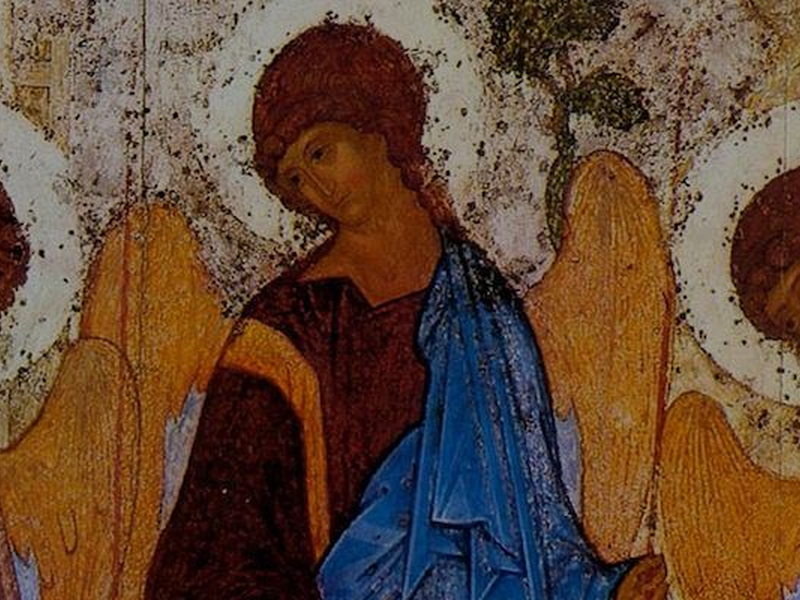
The “personalist” understanding of the Trinity, articulated most influentially in the work of John Zizioulas, has fallen on hard times. Recent scholars have attacked Zizioulas’s idea that Cappadocian Trinitarianism represented an ontological revolution, hammering on the distinction between divine and human personhood. Michel Barnes’s conclusion is the most drastic of…

by Peter LeithartJune 16, 2016
img_4660-2
Architecture

On Biblical Theology

Biblical Theology is often defined as the historical unfolding of God’s revelation, or of God’s revelation and of the history of his covenantal redemption and transformation of humanity and the world. In practice, Biblical Theology is usually broader than this, and also includes the study of literary structure and of…

by James B. JordanJune 14, 2016
laughing_statue_by_xxbobbiie-d5f0meh-2
Humor

Wise Laughter

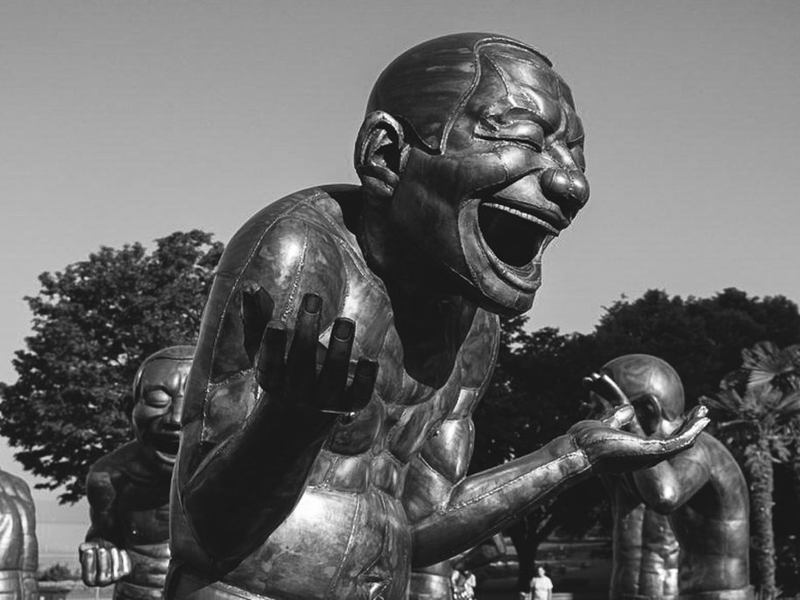
We are made to be happy. Created to enter into the eternal joy of God, our whole being inclines to that end, but the fallen world has put forth barriers and by our own sin we bar ourselves from that endless delight, and death blinds us to that reality. Yet…

by Remy WilkinsJune 7, 2016
img_7664
Liturgy

Why Theopolis? Take Two

At the end of Revelation, John sees the heavenly city descending to earth. The city shines with the brilliance of God's glory, which lightens the nations, so that kings bring their glory to the city. This is not a vision of the final new heaven and new earth. It's a…

by Peter LeithartJune 2, 2016
trinity-1-2
Attributes of God

How Can We Talk About God?

“No one has ever seen God,” writes John (John 1:18). If this is the case, then how can we speak about God? Some people say we actually cannot. Or at least we cannot speak about God positively, i.e. who He is. We can only say who or what God is…

by Bogumil JarmulakMay 31, 2016

Showing page 130 of 309

See all

Showing page 37 of 43

See all
American Politics

House Divided Stands?

Philip Terzian isn't much disturbed by the tumult in the Republican Party. He concedes that the Party is going through some changes, whose outcome remains to be seen: "The coalition that propelled Donald Trump into the White House may be a harbinger of the party’s future, or it might have…

December 8, 2017

Death and the Community

In his Death, Burial, and Rebirth in the Religions of Antiquity , Jon Davies attends to the communal significance of the deaths of biblical patriarchs. He writes, "Jacob is gathered ‘unto his people,' not explicitly unto his God. On the orders of his son Joseph, Jacob was embalmed (a rare…

December 8, 2017

Rough Trade

Julie Bindel's study of The Pimping of Prostitution takes a sustained, unrelenting look behind the veil of what's euphemistically called "sex work." According to the TLS reviewer , Bindel's study is based on "interviews with fifty current or former sex workers in thirty-five countries, from New Zealand to rural India,…

December 8, 2017

Sociology and Common Knowledge

"We encounter reality only if we approach it on all the paths which we, as creatures, can tread," writes Rosenstock-Huessy ( In the Cross of Reality , 230). He's commending his quadrilateral cross of reality, arguing that we must pursue the fourfold path of "the soul, of reason, culture, and…

December 8, 2017

Before the Two Cultures

CP Snow's famously complained about the divergence between "two cultures" of humanism and science. Among Romantic poets, the humanist resistance to science is best exemplified by Blake. As Algis Valiunas observes , Blake's "unflattering" painting of Newton depicts him as "a consummate specimen of a particular human type, and it…

December 8, 2017
Poetry

For Easy Poetry

"Once upon a time," writes Anthony Madrid , "there were two traditions in Anglophone poetry. On the one hand, there was poetry that was completely easy to understand and whose elegance depended on translucent phrases and straightforward sentiments. On the other hand, there was the hard stuff: poetry where the…

December 8, 2017

Showing page 115 of 2212

Browse by Category

In Medias Res

Your weekly digest for all things Theopolis.

Donate

Theopolis is nearly 100% donor-supported. Consider joining us on our mission.