Theopolis Logo

Writing

Explore our collection of theological essays, biblical studies, and reflections on faith and culture.

See all
pawan-sharma-vt2efwhbs-e-unsplash
Authority

Eldership and Maturity, (Part 2)

(continued from previous issue) Between 30 and 50 What did the Levites do between age 30 and 50? Numbers 4 shows us that they carried the house of God on their shoulders. Lifting up the Lord is an image of worship in the Bible, and David’s restructuring of the Levites…

by James B. JordanJuly 8, 1995
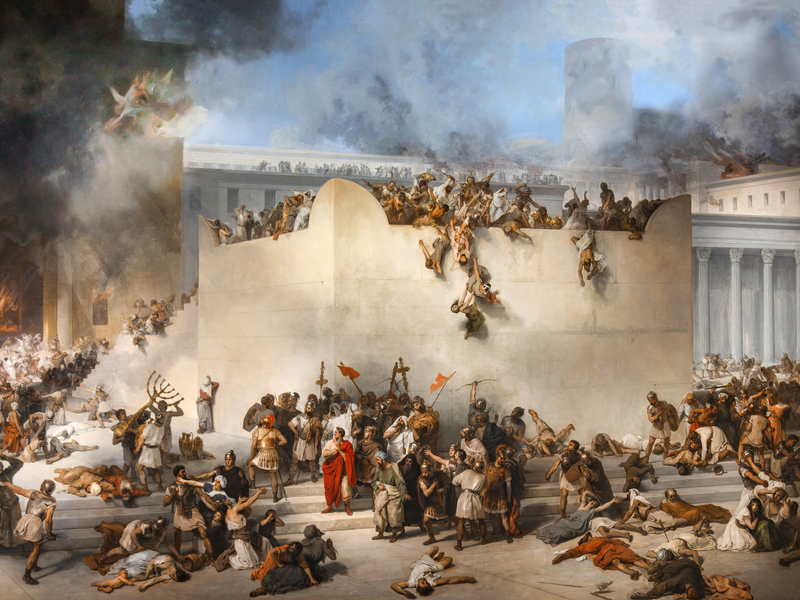
venice-la-distruzione-del-tempio-di-gerusalemme-francesco-hayez-gallerie-accademia-venice
Romans

The Great Hangover, Parts 1-2

When God created the world, He created two lands: the Throne-land of Eden (entered through the sanctuary-garden, the Garden of Eden), and the Outlying Lands, such as the lands of Havilah and Cush. This essentially bi-polar world is the world of the Old Creation, and it continued to exist until…

by James B. JordanJuly 5, 1995
Architecture

Concerning Colors, Architecture, and Sacraments

Color is inescapable, except for those who are color blind. In our church architecture, we either employ color schemes that are helpful to worship, or we employ color schemes that are not helpful. Of course, this assertion merely begs the question: What color schemes are most helpful. God showed interest…

by James B. JordanJuly 4, 1995
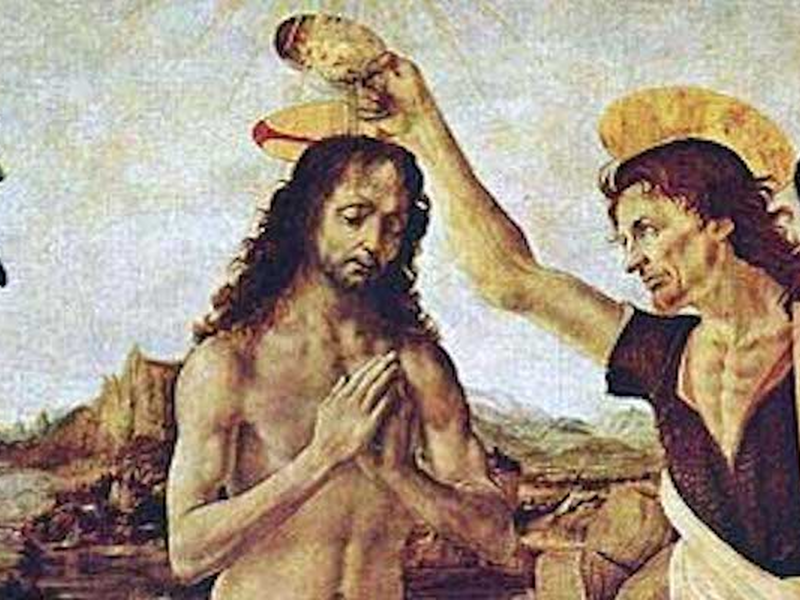
baptism-of-christ
Baptism

Jesus’ Baptism Into Priesthood

As I noted in an earlier article in Rite Reasons , the Church Fathers Tertullian, Ambrose, and Augustine all claimed that baptism inducts the baptized person into membership in the royal priesthood of the church, and Thomas Aquinas said that baptism, by imprinting an indelible “character” on the soul, confers…

by Peter LeithartMay 26, 1995
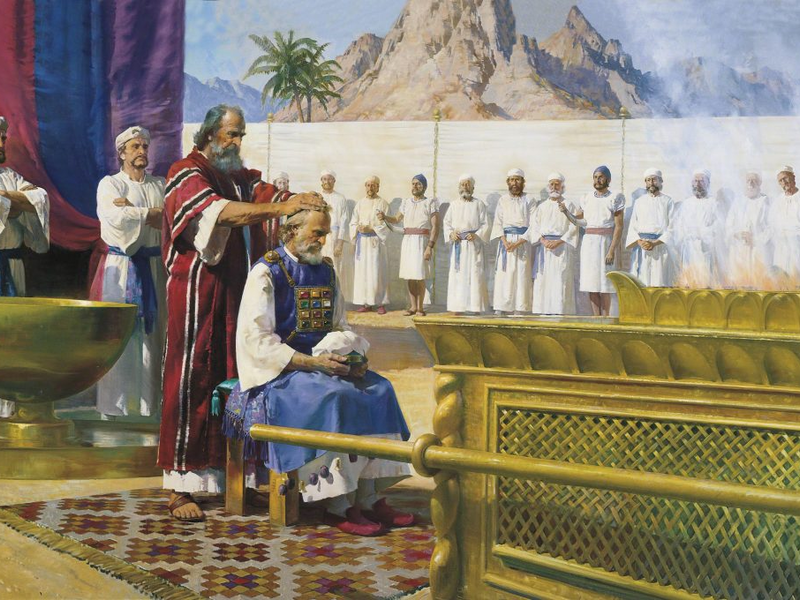
moses-gives-aaron-priesthood-39465-wallpaper
Baptism

Renewing Circumcision

When the Aaronic priests were ordained, the blood of the ram of "filling” was placed on the lobe of the right ear, the right thumb, and the right big toe (Lev. 8:22-24). Similarly, the cleansing rite for a leper included smearing the right ear lobe, thumb, and big toe with…

by Peter LeithartMay 14, 1995
sixteen-miles-out-ki3hr9t8t7a-unsplash
Daniel

A Correction on Daniel 7

In my Preliminary Commentary on Daniel , which many of you have obtained, I argued in chapter 13 that the four monsters called up from the sea by the evangelistic work of the four winds (the saints) represented the deep hatred of God that evangelistic work brings to the fore…

by James B. JordanMay 7, 1995

Showing page 270 of 309

See all

Showing page 37 of 43

See all
History

Hermeticism and gnosticism

In his book on the hermeticist Hegel, Magee gives this helpful sketch of the differences between gnosticism and hermeticism: “Gnosticism and Hermeticism both believe that a divine ‘spark’ is implanted in man, and that man can come to know God. However, Gnosticism involves an absolutely negative account of creation. It…

August 16, 2006
Philosophy

Hegel and Hermes

In a 2001 book (Cornell), Glenn Magee argues that Hegel must be understood as a hermetic thinker. Hegel claims to have moved beyond the ancient notion of philosophy as “pursuit of wisdom” to an absolute knowledge that is simply identical with wisdom. As Magee says, “Hegel’s claim to have attained…

August 16, 2006

MacIntyre on Heroic virtue

In After Virtue , Alasdair MacIntyre provides a neat discussion of the virtue and selfhood in Greek antiquity. The unity of ARETE, virtue, “resides . . . in the concept of that which enables a man to discharge his role,” and refers to “excellence of any kind,” whether in a…

August 16, 2006
Philosophy

Logos: Harmony and Recipe

One Marc Cohen of the University of Washington, offers this account of the “logos” of Heraclitus in an online lecture outline: First, “There is an orderly, law-governed process of change in the universe. (Compare fragment 80 with Anaximander, who equates strife with injustice; for Heraclitus, strife is justice, and is…

August 16, 2006

Life of Heraclitus

Some selections from Diogenes Laertius’ “Life of Heraclitus, from his “Lives and Opinions of Eminent Philosophers: “He was above all men of a lofty and arrogant spirit, as is plain from his writings, in which he says, ‘Abundant learning does not form the mind; for if it did, it would…

August 16, 2006
History

Asocial sociability

Seigel devotes a fascinating section of his book ( Idea of the Self ) to a summary of Mandeville’s Fable of the Bees , in which Mandeville describes what Kant characterized as the “asocial sociability” of human nature. Social in the sense that even in a natural state, prior to…

August 15, 2006

Showing page 1809 of 2212

Browse by Category

In Medias Res

Your weekly digest for all things Theopolis.

Donate

Theopolis is nearly 100% donor-supported. Consider joining us on our mission.