Theopolis Logo

Writing

Explore our collection of theological essays, biblical studies, and reflections on faith and culture.

See all
elijah-1200x630-min
Biblical Horizons

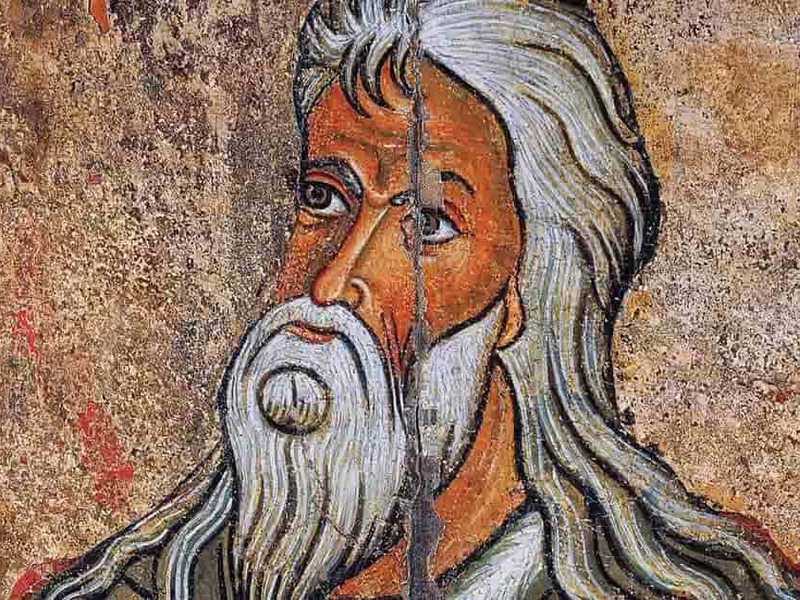
Elijah’s Exodus

1 Kings 17, which abruptly introduces Elijah into the history of the northern kingdom, is a carefully constructed literary unit. In its basic structure, it follows a clear exodus-return pattern. Like Jacob and his sons, Elijah was driven out of the land by a famine (vv. 1-4). In exile, Elijah…

by Peter LeithartJune 17, 1992

ales-krivec-4mibe6zg5r0-unsplash
Biblical Studies

All Things New

Now the Pharisees, who were lovers of money, were listening to all these things and they were scoffing at Him. And He said to them, "You are those who justify yourselves in the sight of men, but God knows your hearts; for that which is highly esteemed among men is…

by Mark HorneJune 6, 1992
aaron-burden-h8s0pf2rcqs-unsplash
Biblical Chronology

Chronologies and Kings, Part 11: The Knots of 2 Kings 11-14

In the year 3119, Ahaziah of Judah and Jehoram of Israel were both slain by Jehu as he carried out his God-appointed task of eliminating the seed and house of Ahab (2 Kings 9:13-33). Since the kings of Israel are usually counted as beginning their reign in the same year…

by James B. JordanMay 24, 1992
trnava-university-beeyeib-am8-unsplash
Biblical Studies

Gleanings from Robert Alter’s "Art of Biblical Narrative"

One of the most important developments in Biblical studies in recent years has been a movement of scholars devoted to studying the literary techniques of the Biblical writers. Tremper Longman, III of Westminster Theological Seminary has treated this movement from a Reformed perspective in his Literary Approaches to Biblical Interpretation…

by Peter LeithartMay 17, 1992
ian-schneider-iqbc4vu4ypq-unsplash
Biblical Horizons

Tentmaking

And because [Paul] was of the same trade, he stayed with [Aquila and Priscilla] and they were working; for by trade they were tentmakers (Acts 18:3). The fact that Paul was by trade a tentmaker has usually been taken as the springboard for a discussion of whether pastors should have…

by James B. JordanApril 24, 1992
screen-shot-2022-05-12-at-12-07-23-pm
Biblical Studies

Chronologies and Kings, Part 10: Jehoram of Judah

I pointed out in Chronologies and Kings Part 9 that the years of Judah’s kings are given in chronological fashion. "When we read of a Judahite king’s reign as lasting 4 years, it means that 4 years of the chronology have been given to him, and there is no chronological…

by James B. JordanApril 24, 1992

Showing page 290 of 309

See all

Showing page 37 of 43

See all
Philosophy

Collapsing Foundationalisms

Wells quotes from British sociologist Anthony Giddens , who argues that postmodernism is not so much a rejection of modern foundationalism as “unmasking what has been hidden in the modern.” In classic Enlightenment foundationalism, reason is self-grounded, and faith in reason is a dogmatic faith. For consistency’s sake, Enlightenment thinkers…

December 23, 2005
Theology

David Wells on Pomo

Like many of David Wells ‘s books, I’ve find his recent Above All Earthly Pow’rs simultaneously bracing, stimulating, and frustrating. Wells examines the consequences of the confluence of two main cultural trends - the postmodern ethos and the increasingly pluralistic religious situation of the West. He makes many good points:…

December 23, 2005

Moses in 1-2 Kings

Moses is mentioned 10 times in Kings, and there are some tantalizing connections with the 10 Words that Moses delivered to Israel. For instance: 1. 1 Kings 2:3: David exhorts Solomon to guard the Lord’s commandments and walk in his ways, using a 7fold description of the law. This is…

December 23, 2005

Homo Creator

In his 1607 treatise, Idea of Painters, Sculptors, and Architects , the painter Federigo Zuccaro claimed that human being was creative being: “Because of His goodness and to show in a small replica the excellence of his divine art, [God] having created man in His image and likeness with respect…

December 22, 2005
History

Augustine and the Renaissance Self

William Bouwsma points out in his book on the “waning of the Renaissance” that the Renaissance challenged what he calls the “traditional conception of the self,” in which reason sits at the top of a hierarchy of discrete faculties, including will, passions, and body. The challenge to this conception during…

December 22, 2005
Theology

Frame on McLaren

John Frame has a typically gracious though critical review of Brian McLaren ‘s Generous Orthodoxy in the current issue of Reformation and Revival Journal. Frame appreciates a number of the concerns that animate McLaren (learning from other Christian traditions, the missional concept of the church, a hermeneutic of love, among…

December 21, 2005

Showing page 1909 of 2212

Browse by Category

In Medias Res

Your weekly digest for all things Theopolis.

Donate

Theopolis is nearly 100% donor-supported. Consider joining us on our mission.