Theopolis Logo

Writing

Explore our collection of theological essays, biblical studies, and reflections on faith and culture.

See all
e99a9334
Advent

Stretching Christmas

For many people Christmas comes on December 25 and is over December 26. The tree is taken down along with the lights and the other decorations, and everyone begins setting the house in order for the new year. No more Christmas hymns. No more celebrations (well, until New Year’s Eve).…

by Steve WilkinsDecember 24, 2016
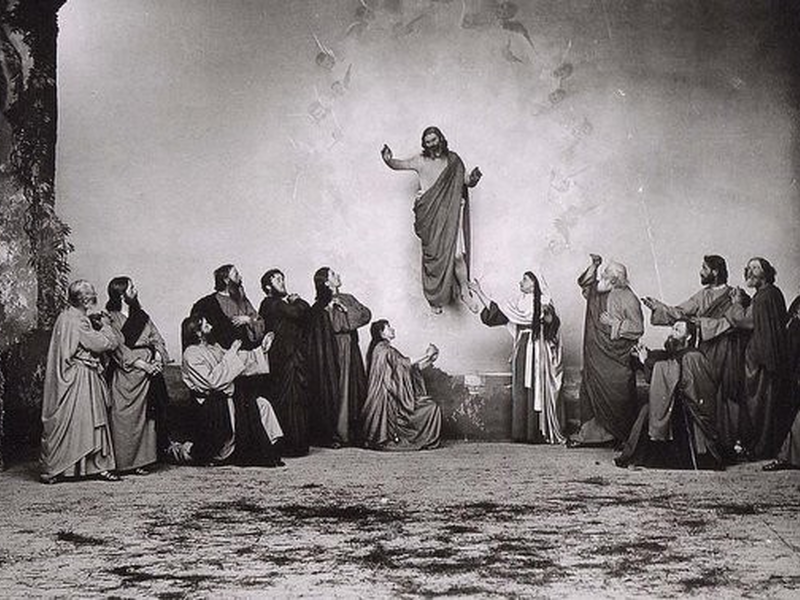
ascension
Advent

Ascension and Incarnation

The Ascension and the Incarnation should not be disconnected in our Christmas thinking or celebrations. As N.T. Wright notes, the ascension is "a central and vital feature without which all sorts of other things start to go demonstrably wrong. . . . where the ascension has been ignored or misunderstood,…

by Roy AtwoodDecember 23, 2016
nativity-rembrandt
Advent

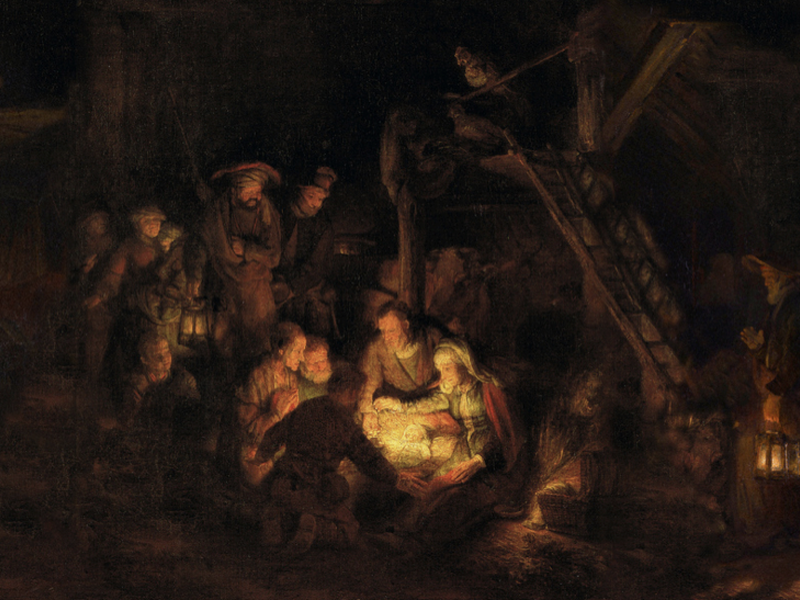
Christmas Light

“In the Word was life, and the life was the light of men. And the light shines in the darkness.” Thus John describes the incarnation of the Son. He comes as the living and life-giving light of the world. That’s good news. In the beginning, God spoke and light shone…

by Peter LeithartDecember 23, 2016
nativity-chagall
Advent

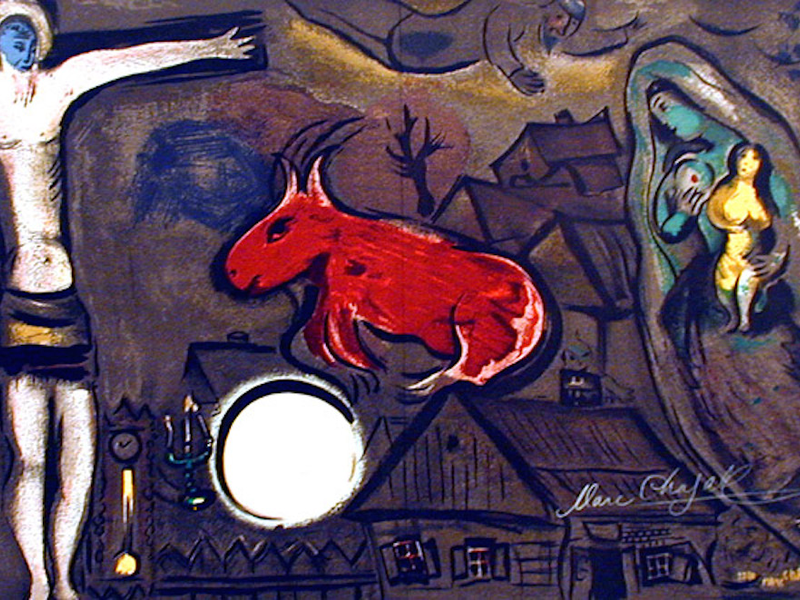
The Spirit of Christmas

Christmas is all about Jesus. The angels announce Jesus’ birth, shepherds and wise men come to see Jesus, Herod wants to kill Jesus. We occasionally think of the Father who sent the Son, but we keep returning to the Son made flesh in Bethlehem’s manger. Meanwhile, as always, the Spirit…

by Peter LeithartDecember 22, 2016
nativity
Advent

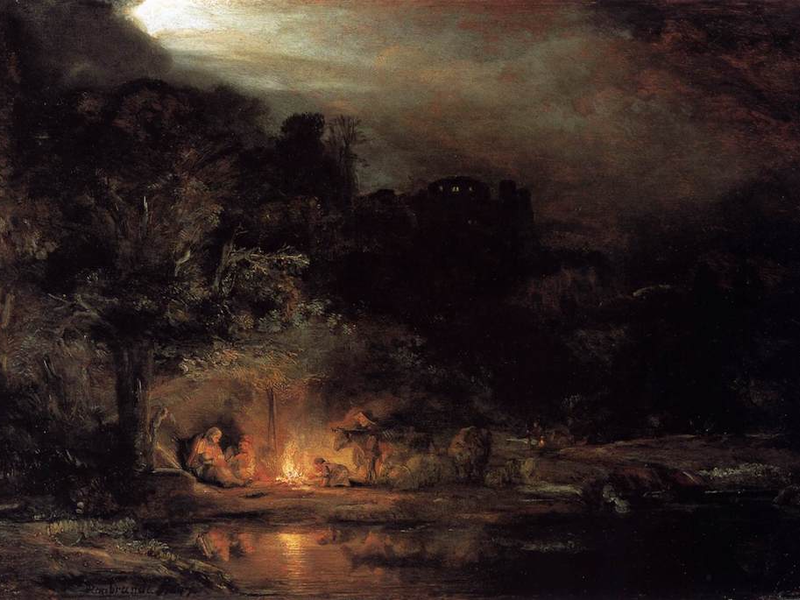
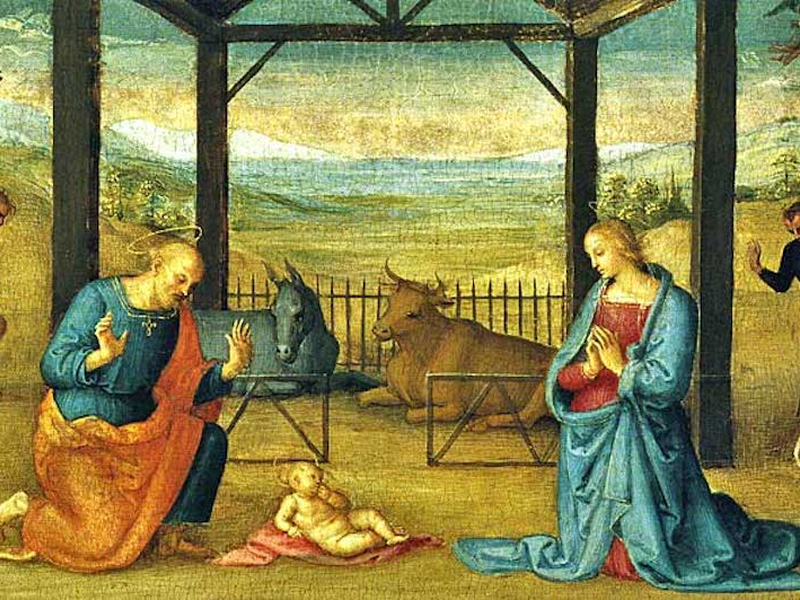
The Humility of God

Christmas is about many things, but one of the chief things revealed in the gospel of Christmas is the humility of God. We don't often think of humility as an attribute of God. If God is glorious and exalted, we think, He must be haughty and proud and self-centered. We…

by Peter LeithartDecember 21, 2016
screenshot-2025-12-15-at-8-35-45-am
Advent

Advent of Unity

John famously begins his Gospel with a piece of theology: “In the beginning was the Word, and the Word was with God, and the Word was God.” Matthew starts with a genealogy. John celebrates Advent with a hymn, Matthew with a list. For John, Jesus is the Word of creation…

by Peter LeithartDecember 20, 2016

Showing page 120 of 309

See all

Showing page 37 of 43

See all
Philosophy

Giving and receiving

Pickstock offers a theological alternative to Derrida’s concern that giving is impossible since any hope of a return robs the gift of its character as gift and puts it instead into the category of mutually advantageous capitalist exchange. Pickstock points out that in renouncing “the return” as “an ethical category,”…

July 14, 2005
Philosophy

Lists

Pickstock uses the “list” as a crucial example of the dominance of asyndeton of modern discourse. Lists provide “a powerful organization of random phenomena,” but at the same time the order slips into chaos because there is nothing linking the “unrelated elements” of the list. They are merely juxtaposed spatially,…

July 14, 2005
Philosophy

Derrida’s indifference

Pickstock again: For Derrida, there is ultimately no real difference, since all difference is univocally violent. There are particular differences of this and that, but they are all different in the same way - violently different - so there is a “transcendent” sameness. Derrida’s absolute difference collapses is really penultimate…

July 14, 2005
Philosophy

Derrida’s indifference

Pickstock again: For Derrida, there is ultimately no real difference, since all difference is univocally violent. There are particular differences of this and that, but they are all different in the same way - violently different - so there is a “transcendent” sameness. Derrida’s absolute difference collapses is really penultimate…

July 14, 2005
Theology

Socrates and the erotic gaze

Catherine Pickstock argues that Socrates does not articulate a “metaphysical” view of self-presence or interiority. She focuses on the erotic character of knowledge in the Phaedrus, which she points out, radically undermines the interior/exterior boundary. Knowledge on this view always involves ecstasy, an attraction to an object outside, and the…

July 14, 2005

Structure in 2 Kings 16

2 Kings 16 is organized chiastically: 1. Formulaic introduction, 16:1-4 2. Threat to Jerusalem, and bribe of Tiglath-pileser, 16:5-9 3. State visit to Damascus, 16:10-11 (altar) 4. Ahaz ministers at the altar, 16:12-14 3’. Continuing worship at the altar, 16:15-16 2’. Tribute to Tiglath-pileser and plunder of temple, 16:17-18 1’.…

July 13, 2005

Showing page 1962 of 2212

Browse by Category

In Medias Res

Your weekly digest for all things Theopolis.

Donate

Theopolis is nearly 100% donor-supported. Consider joining us on our mission.